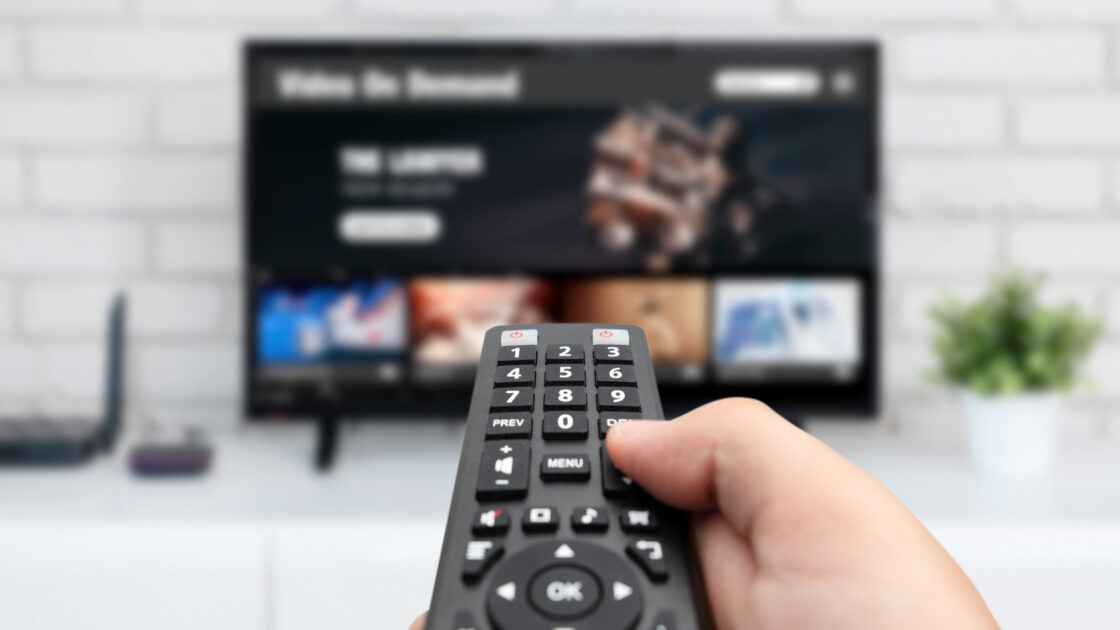
Data from consultancy Deloitte reveals that more than a third of consumers have recently cut loose their entertainment subscriptions. The primary motivator behind these cancellations is financial strain.
Rising Costs and Streamflation
The average household spends approximately $76 a month on subscription video on demand, according to the report, with Gen Z spending an even higher amount at $83 per month. While streaming once provided a cheaper alternative to traditional cable, rising prices and growing subscription counts have eroded those savings. Deloitte reports that about 60 percent of consumers would likely cancel their favorite service if prices increased by $5.
The cost of maintaining subscriptions remains a major grievance. As of October, 45 percent of respondents stated they paid too much for streaming services, and about 50 percent sought ways to reduce their streaming expenses by swapping apps. Furthermore, 64 percent of respondents expressed frustration over continuous price increases.
A 2025 report from Forrester indicated that between 2021 and 2025, the average cost of ad-free streaming services climbed 54 percent. Major streaming platforms including Apple TV, Netflix, Paramount+, and Disney+ raised prices in 2026, prompting watchdogs to term the hikes “streamflation.” Forrester’s analysis noted that streamers often launch with lower prices to attract users before increasing rates to satisfy profitability pressures, without offering extra perks in return.
Alternative Entertainment and Frustrations
Beyond high prices, other factors drive consumers to rethink their subscriptions. Deloitte found that some consumers now turn to social media for idle entertainment, with about half of Gen Z respondents calling social media content more relevant than traditional content and feeling more connected to creators than TV actors.
Advertising also creates friction. A Consumer Reports survey showed that although users might choose ad-supported tiers to save money, 48 percent found the ads very annoying, specifically disliking repetitive ads and excessive commercial breaks.
Additionally, consumer frustration stems from a lack of ownership over digital libraries, as licensing changes can suddenly remove beloved shows from a platform. Some viewers are returning to physical media like DVDs, Blu-Rays, and VHS tapes to regain control and bypass algorithmic recommendations, while others digitize their own collections to host on private servers.
Consumers continue to navigate major subscription choices amid rising costs, shifting entertainment habits toward social media, and a renewed interest in physical media collections.