Table of Contents
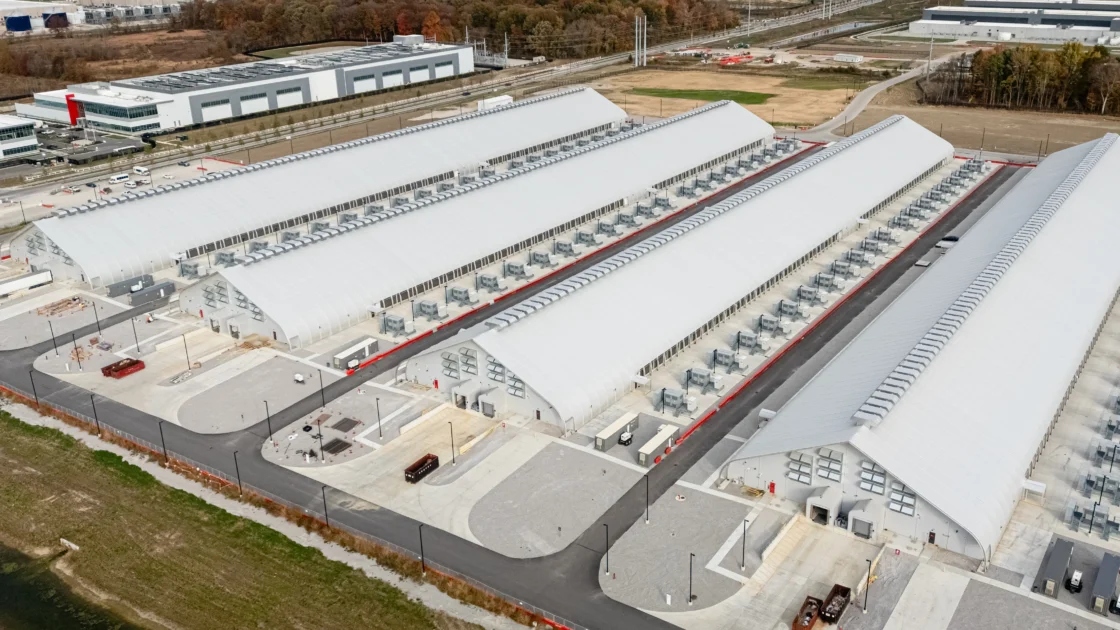
The Senate on Thursday passed a bipartisan bill designed to accelerate the approval process for power plants and data centers as Americans face rising energy costs and increased demand driven by artificial intelligence.
Legislative Details and Support
The Bipartisan American Affordability and Jobs Act passed with a 62-33 vote, with fourteen Democrats and one Independent joining the majority of Republicans in support. The legislation now heads to the House of Representatives after being authored by two Democratic and two Republican senators.
West Virginia Republican Sen. Shelley Moore Capito, a co-author of the bill, stated that the Senate reached a major milestone in addressing the affordability worries of American citizens through the passage of permitting reform.
Senate Majority Leader John Thune explained that the legislation would eliminate decades of bureaucratic delays, save the typical household hundreds of dollars annually, and create improved roads, increased domestic manufacturing, and better-paying jobs.
Sen. Sheldon Whitehouse, a Rhode Island Democrat who helped author the bill, added that citizens would quickly experience relief on their energy expenses if the House approves the legislation.
Economic Pressures and Environmental Concerns
Across the nation, the price of a kilowatt-hour has outpaced overall inflation, increasing by more than 6% over the past year and 39% over the past five years.
Whitehouse noted that the legislation requires data centers to pay for the electricity they consume, addressing significant bipartisan public opposition to data centers throughout the country.
Supporters of the legislation among climate change advocates argue that the U.S. must accelerate the construction of transmission lines and renewable energy projects, suggesting the measure will enable the development of additional solar, wind, and battery initiatives.
However, major environmental organizations, including the Sierra Club and the National Wildlife Federation, voiced opposition to the bill, arguing that it diminishes environmental accountability.
Numerous Democrats also voted against the measure, stating that it will increase pollution by facilitating the approval of oil, gas, and energy-intensive data centers while reducing safeguards for clean air and water.
Additional Criticisms and President’s Stance
Legislators also raised concerns that the legislation could compromise tribal rights and local protections.
Washington Democratic Sen. Maria Cantwell stated on social media that Congress should not sacrifice the Clean Water Act, hunting grounds, fishing areas, sacred sites, or protections for tribal sovereignty.
California Sen. Alex Padilla expressed similar apprehensions, stating he supports streamlining energy projects but not at the expense of tribal sovereignty and California’s environment.
Oregon Democratic Sen. Jeff Merkley described the legislation as a poor arrangement in a social media post, stating it allows a surge of natural gas for data centers while keeping the expansion of renewable energy transmission vulnerable to opposition from President Trump.
President Trump recently urged Congress to pass the legislation via social media, describing it as a major victory for the energy independence and dominance of the United States.
The legislation now awaits consideration in the House of Representatives.