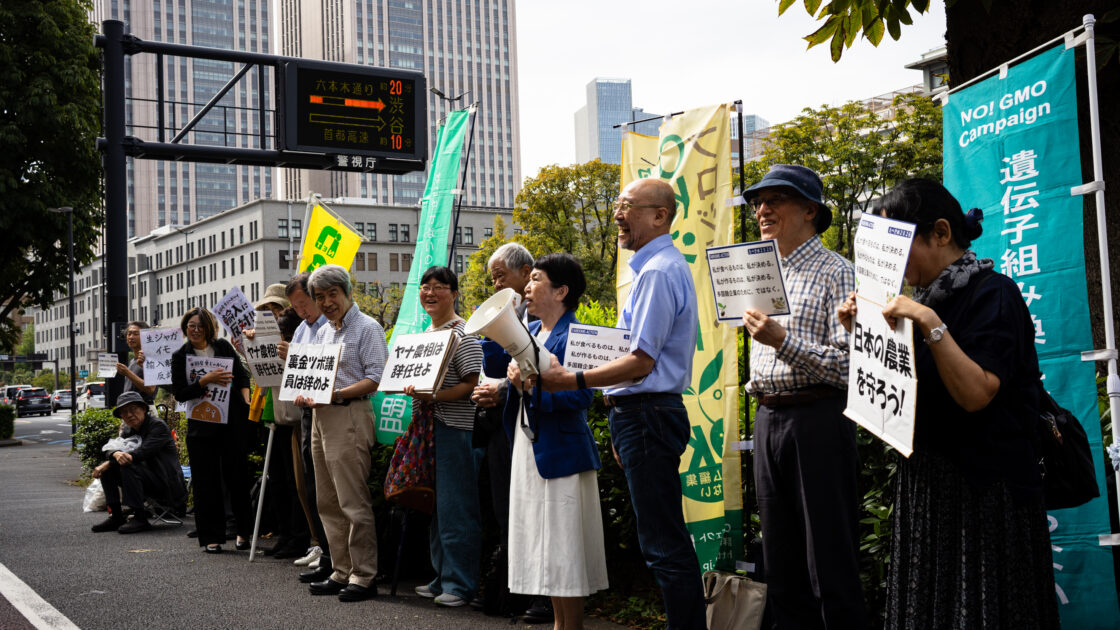
Japan is considering lifting its decades-old ban on raw potato imports from the United States under intense pressure from President Donald Trump. The potential policy shift has triggered strong pushback from domestic farmers concerned about foreign pests and market competition.
Historical Roots of the Import Ban
Japan imports 60 percent of its food, but raw potatoes and rice remain strictly protected. Potatoes carry deep historical and cultural significance, having served as a crucial food source that prevented famine in the post-World War II era when rice was heavily rationed. The country imposed a ban on potato imports in 1950 to protect its agricultural fields from foreign infestations.
Exceptions have been limited since 2006, allowing US potatoes exclusively for crisp production under strict conditions requiring sealed containers and high-heat cooking at designated factories. Japan’s Ministry of Agriculture, Forestry and Fisheries has identified at least 21 pests and diseases that could threaten domestic crops if the ban is completely lifted.
Agriculture officials highlighted a particular fear of cyst nematodes, tiny worm-like insects that damage potato roots and persist in soil for years. Authorities discovered these insects in parts of the northern island of Hokkaido in 2015, and those affected regions remain under restrictions.
Hokkaido farmers produce roughly 80 percent of Japan’s potatoes. A Hokkaido farmer named Naohiro Makino told the Japanese newspaper Asahi Shimbun in September that once pests enter the soil, farmers cannot grow potatoes for more than a decade. He added that he firmly opposes the move to protect the farmland safeguarded by previous generations.
Navigating US Trade Pressure and Domestic Backlash
The US first requested that Japan lift the import ban in 2020 during Donald Trump’s initial term. Lawmakers subsequently urged Trump to raise the issue during a planned meeting with Prime Minister Sanae Takaichi in March, while Japanese officials discussed the matter in Washington, DC, in September.
Observers noted that Tokyo has started seriously considering the proposal as a potential bargaining chip during trade and tariff negotiations. Japan’s Agriculture Ministry is currently evaluating potential pest and disease risks and seeking safety measures from the US, as reported by Japanese media.
Meanwhile, farmers and agricultural cooperatives from Hokkaido and other regions have organized rallies and submitted petitions opposing the change. During an online ministry briefing, a participant questioned why Japan needs to import potatoes when the nation already achieves self-sufficiency.
Hokkaido Governor Suzuki Naomichi urged authorities to defend national interests during discussions with the US. In response to the governor, Agriculture Minister Takebe Arata stated that negotiations with Washington would only advance after a thorough review of scientific evidence.