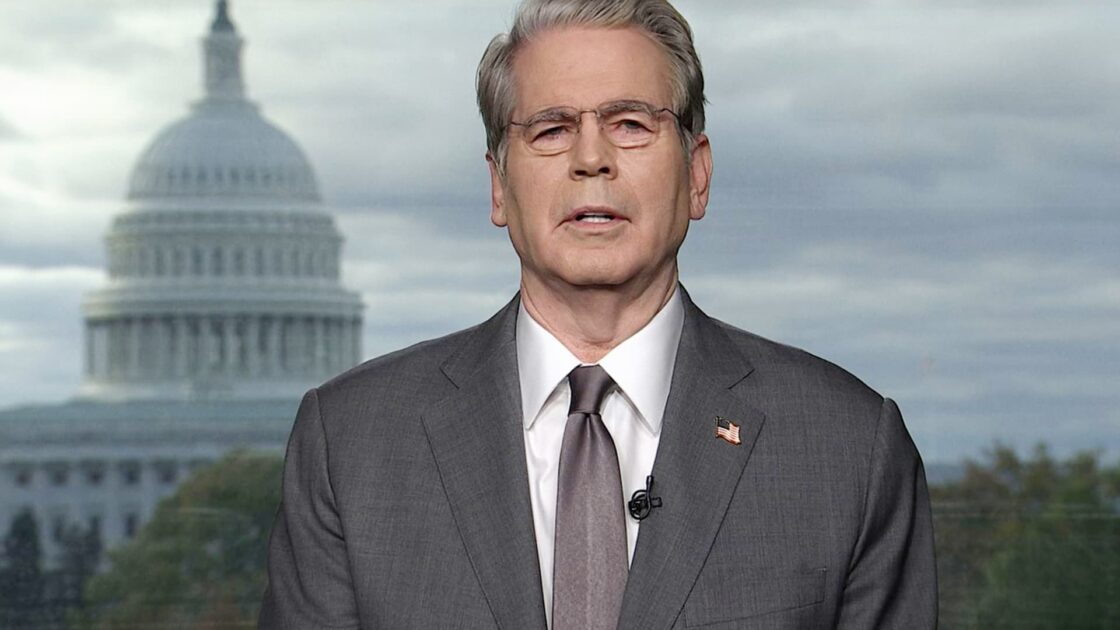
U.S. President Donald Trump has concluded an Asian tour that featured a landmark meeting in Shenzhen, China, with Chinese President Xi Jinping and Russian President Vladimir Putin. Speaking on CNBC, U.S. Treasury Secretary Scott Bessent revealed that security and technology discussions took place during the visit, though Nvidia Chief Executive Officer Jensen Huang was not mentioned during the latest exchanges with Chinese officials.
Trilateral Summit and Military AI
The Shenzhen gathering represented the first time the leaders of the United States, China, and Russia conducted talks without participating counterparts from other nations. However, the three-way summit produced few concrete agreements on major international concerns, including ongoing conflicts in Ukraine and Iran, as well as the global race for artificial intelligence supremacy.
Bessent stated to CNBC that trade policies and technology were subjects of a “robust discussion” between Trump and Xi. The leaders addressed artificial intelligence—which Trump refers to as “super intelligence” or SI—and arrived at a rare consensus on military application safeguards. Both leaders “agreed that humans should always be involved in any military decisions that SI makes, and the SI should not be allowed to be autonomous for major military actions,” Bessent explained.
Export Restrictions and Administration Dynamics
The comments follow previous statements by Bessent regarding the security of domestic technology. In a separate CNBC interview last week, the Treasury Secretary expressed concern over the “leakage” of American microchips to China. He directed criticism at the Commerce Department, led by Secretary Howard Lutnick, over delays in implementing export controls on suspected Chinese intermediary entities like Megaspeed, a Singaporean firm connected to a high-profile scandal involving Huang.
While multiple officials across the Trump administration have advocated for trade restrictions targeting Megaspeed, Bessent noted that the Commerce Department “has the pen” on export enforcement, stating at the time that “you will have to ask them about their internal processes.”
Addressing the issue again on Friday, Bessent adopted a more reserved position when asked about potential policy friction with Lutnick. “I think we’re all committed to following President Trump’s instructions,” he stated. Bessent added, “I think we are going to see that the the proper chip restrictions are in place, and the remote access has been curtailed,” pointing to recent measures by the Commerce Department to block pathways allowing Chinese entities remote access to advanced AI processors.