Table of Contents
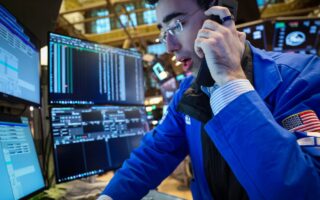
Anthropic is launching its stock market debut on the Nasdaq exchange under the ticker symbol ANT, marking a historic milestone for artificial intelligence development. While the San Francisco-based company boasts soaring revenues and a record-breaking initial public offering, it faces significant internal and external hurdles that threaten its future growth.
Record-Breaking IPO and Soaring Revenue
The IPO raised about $81 billion, and over $107 billion when including private sales of shares, surpassing the previous world record set by SpaceX in June. Anthropic received an initial valuation of roughly $1.5 trillion, falling short of SpaceX’s nearly $1.8 trillion, while rival OpenAI has been valued at $1.25 trillion in an ongoing fundraising campaign. As reported by WIRED, some financial analysts note that the company’s massive losses—over $104 billion this year through September, driven by how Anthropic must account for stock compensation to employees—do not deter eager investors. This enthusiasm is supported by recent quarterly sales reaching $17 billion, up more than 1,100 percent from the previous year, alongside a twelvefold increase in customers spending six figures annually.
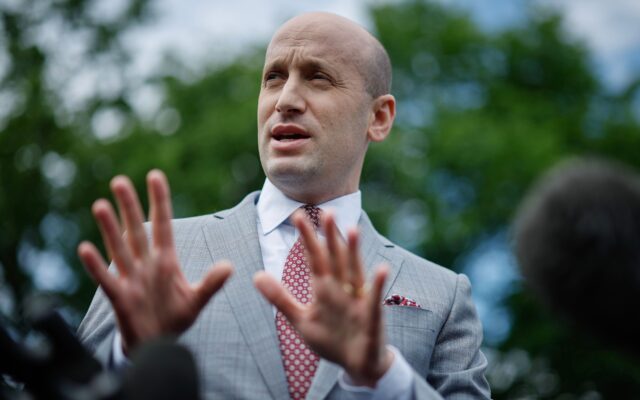
Tomasz Tunguz, general partner at the investment firm Theory Ventures, described the prospectus as exceptionally strong. The market debut represents a triumph for the renegade engineers and business leaders who split from OpenAI nearly six years ago during the pandemic due to strategic differences. Despite past executive departures and legal troubles at OpenAI, Anthropic reached the public market first, overcoming a recent high-profile dispute with the US Department of Defense regarding limits on Claude’s usage.
Data Center Opposition and Infrastructure Hurdles
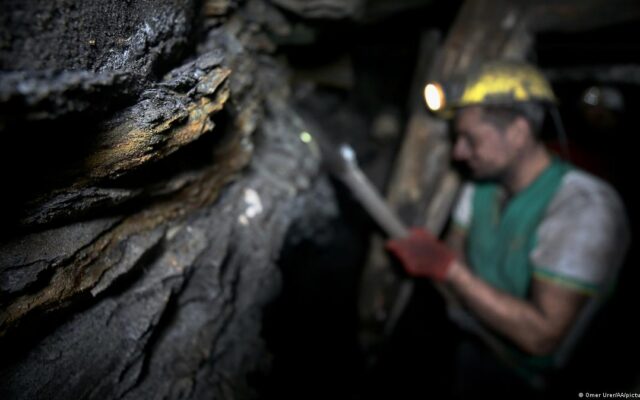
Long-term pessimism centers on issues that could slow the development of new tools, particularly grassroots pushback against data centers. US voters recently rejected data centers at the ballot box, and protests against new facilities continue to grow. Elaine Matheny, a member of Mason County United—a grassroots organization fighting an under-construction data center intended for Anthropic in West Virginia—questioned the societal benefit, asking if farmland needs to be covered up so Claude can do all our thinking. At developer Nscale’s site in West Virginia, extreme rain combined with construction grading caused flooding in neighbors’ backyards, leaving residents frustrated by construction-induced traffic, housing woes, environmental pollution, and environmental activists pointing out that Anthropic has made no renewable power commitment or published an environmental impact report. Nscale stated it has fixed damage and bought out some homeowners at above-market rates.
Tunguz noted that permitting new data center developments in the US will be extremely difficult, which could force Anthropic and other tech giants to look abroad and add risk, complexity, and cost. Furthermore, labor groups and organizations such as National Nurses United urged retirement funds to avoid the IPO, arguing against investing in companies that harm communities while individuals accumulate historic fortunes. Yolanda Daniel, a member of the homeowner associations’ coalition Environmental Advocates Mississippi, accused Anthropic of socializing the costs of AI development while privatizing the gains, promising to block a planned data center opening next year.
Safety Culture and Corporate Structure Challenges
Internal safety priorities also present growth challenges. Organized as a public benefit corporation, Anthropic is legally permitted to prioritize societal impacts alongside shareholder interests. CEO Dario Amodei stated during a livestreamed investor meeting that developing safeguards is the limiting factor in deploying AI models to prevent agents from running wild. Amodei noted that the company held back a new model earlier this year to protect the public from potentially harmful technology, and screens for hires oriented toward public benefit—a practice he called painful in the short run as the company passes over qualified candidates.
Some employees have taken these concerns to extremes, such as researcher Jacob Coxon, who resigned in September fearing humanity could be destroyed within a couple of years without stricter human control over models, though he later expressed interest in returning to have more impact on safety from within. Meanwhile, some investor watchdogs have warned about concentrated control, as Amodei and his cofounders hold a majority of shareholder voting power. Anthropic’s paperwork suggested public benefit will materialize through philanthropic employees and early investors, but critics note no guarantees exist, and employee donations of shares to company-offered philanthropic funds would further consolidate power under Amodei by handing over their voting rights.
Additional pressures on Wall Street include anxiety over potential new technologies regulation following US midterm election results, rising fears about debt enabling data center development, and a potential pullback in investment from Nvidia after CEO Jensen Huang’s sudden exit. Whether investors remain bullish depends on whether Anthropic and OpenAI can sustain their businesses without continuously producing more powerful models that drive profits through new workplace automation capabilities.