Table of Contents
A public rift has emerged between United States Treasury Secretary Scott Bessent and Commerce Secretary Howard Lutnick over the regulation of advanced computer chip sales to China. The policy clash follows new licensing requirements introduced by the administration of President Donald Trump for third-party conduit nations, bypassing the Commerce Department’s usual oversight.
The Policy Dispute Over AI Chips
The cabinet members hold opposing views on how strictly the US should restrict China’s access to advanced artificial intelligence chips. While Trump previously permitted the sale of Nvidia’s H200 chip to approved Chinese customers under a revenue-sharing agreement, recent controls were issued by Bessent alongside the National Security Council rather than Lutnick.
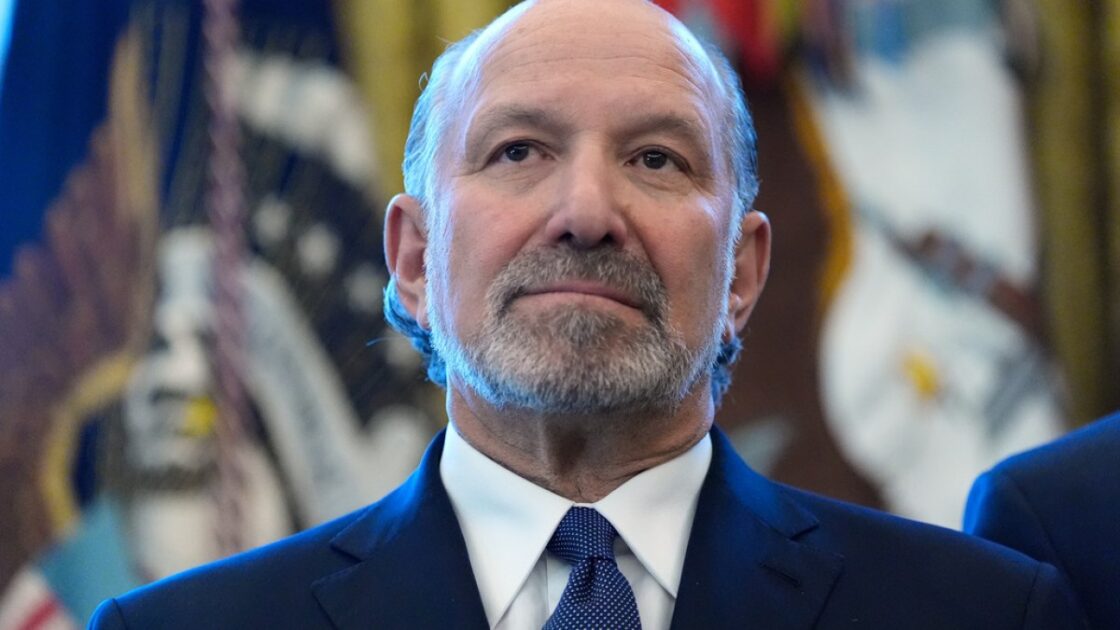
Lutnick, as commerce secretary, oversees export controls and national security technology sales. He has consistently supported allowing Nvidia to sell to China to ensure developers grow reliant on American technology. However, allegations that restricted chips were smuggled into China through unofficial routes have placed his department under intense scrutiny, with critics accusing his office of stalling crackdowns and undermining national security.
Bessent has advocated for rigorous enforcement of existing regulations, stating that current authorities simply need proper implementation. The two officials have a history as rivals, having previously competed for the Treasury position in 2024.
The Nvidia Resignation and Smuggling Allegations
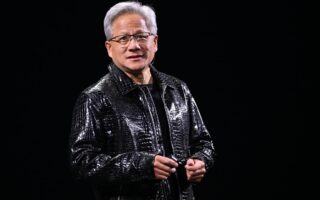
Nvidia holds nearly 90 percent of the market for advanced AI chips and serves major clients like Microsoft, Google, Amazon, and Meta. The company’s cofounder and CEO, Jensen Huang, resigned after admitting to a relationship with Alice Huang, a former executive at Singapore-based data centre builder Megaspeed whom US officials suspect of ties to Chinese intelligence. China has denied the suspicion.
Megaspeed purchased billions of dollars in Nvidia chips, which US authorities suspect were smuggled into China instead of being used in Southeast Asian data centres. Bessent stated that multiple agencies pushed to blacklist Megaspeed months ago, but the Commerce Department failed to act, while also questioning whether Nvidia adequately vetted its customers to prevent leakage.
New Restrictions and International Reaction
The newly introduced rules mandate US licences for shipping advanced chips to Singapore, Malaysia, Thailand, Indonesia, and Brazil over concerns they act as conduits to China. Additionally, data centres worldwide utilizing Nvidia chips must secure Washington’s permission to rent computing power to Chinese clients, closing a previous loophole.
China’s Ministry of Foreign Affairs denounced the restrictions as economic coercion and vowed necessary countermeasures. Meanwhile, Republican Representative John Moolenaar welcomed the curbs, criticizing previous decisions to ease chip sales to Beijing. Senior officials including Secretary of State Marco Rubio and US Trade Representative Jamieson Greer also supported blocking advanced chips from China, while former AI adviser David Sacks defended chip sales, arguing that strict hawks align with Chinese Communist Party goals.
Some Democratic lawmakers have urged Lutnick to step down over the smuggling oversight failures. Both Lutnick and Jensen Huang are scheduled to testify before the Senate on December 3.
President Trump has maintained a fluctuating stance on Nvidia’s Chinese market access, pivoting between restrictions and eased sales while acknowledging the deep divisions within his cabinet. Trump stated that Lutnick will remain in his position, and both he and Chinese President Xi Jinping are set to meet on Thursday during the APEC summit in Shenzhen, China.