Table of Contents
Viral posts across social media platforms have generated widespread anxiety by claiming that a nationwide blackout or massive digital disruption will strike on Tuesday, Nov. 17. The online speculation coincides with a routine national test of the Emergency Alert System conducted by federal authorities.
Routine Emergency System Test Scheduled
The Federal Emergency Management Agency (FEMA) and the Federal Communications Commission (FCC) are set to perform a nationwide Emergency Alert System (EAS) test on Nov. 17 at approximately 2:20 p.m. ET. The alert will clearly state that no public action is required and will run for about one minute featuring standard accessibility tones. Programming on television and radio will return to normal immediately after the signal ends. Mobile phones will not receive wireless emergency notifications during this specific test. FEMA has designated Dec. 3 as a contingency date if real-world disasters or technical difficulties prevent the primary test. Representatives from both the FCC and FEMA did not respond to requests for comment.
The warning network originated in 1963 under the CONELRAD program, which later transitioned into the Emergency Broadcast System before being updated to the EAS in 1997 under FEMA’s Integrated Public Alert and Warning System. Current federal law mandates a national test at least once every three years to ensure the president can reach the public within 10 minutes during a emergency, while local broadcast stations conduct separate weekly checks.
Why Conspiracies Surrounding Nov. 17 Are Spreading
Heightened anxiety over recent technical glitches and geopolitical tensions has fueled viral rumors on Facebook, Instagram, and TikTok. Some posts claim the upcoming alert signals an imminent cyberattack capable of wiping out electrical grids and banking systems, leading social media users to urge stockpiles of up to 90 days. Extreme online theories even referenced a 2023 episode of The Simpsons showing a future blackout on Nov. 17, reflecting public anxiety reminiscent of the Y2K computer concerns prior to the year 2000.
Public apprehension also rose following a late-September Pentagon initiative known as “Fortress America,” which directed military bases to maintain 90 days of independent operational supplies. Meanwhile, the UK launched its “Be Ready” public campaign on Oct. 22 to encourage households to maintain three days of emergency goods, alongside similar preparedness messaging in countries like Canada, France, Japan, and Sweden. Recent flight groundings by the Federal Aviation Administration, widespread outages of Microsoft workplace applications, cyberattacks targeting European grocery refrigeration, and severe weather events have further stoked community concern.
Expert Insights and Practical Preparedness
Disaster management and cybersecurity professionals consulted by CNET confirmed that no government body has issued warnings about a blackout, emphasizing that Nov. 17 poses no greater inherent threat than any other date.
Richard Mariano, a protective intelligence expert at Kronus Intelligence who served nearly 30 years with the Bureau of Alcohol, Tobacco, Firearms and Explosives, told CNET that viral social media claims often create unhelpful panic. Mariano urged the public to verify sources before sharing alarming content, stating, “On every one of these social media posts that is suspect or has some form of conspiratorial edge to them: source it, source it, source it.”
Robby Winchester, chief global professional services officer at security firm SpecterOps, explained to CNET that while hackers frequently leverage public events to launch malicious attacks, routine tests remain vital for finding system vulnerabilities before genuine emergencies occur. Philip Farina, chief advisor for Risky Business and a former federal officer, told CNET that learning basic self-reliance helps families handle frequent disruptions like residential fires.
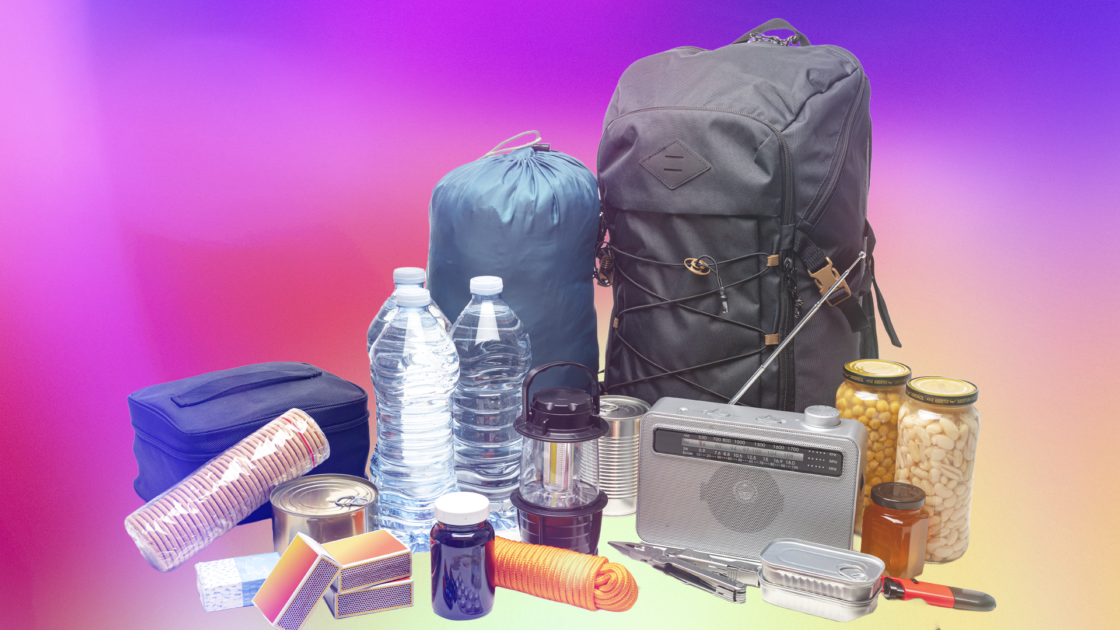
Official guidance on Ready.gov advises households to build a three-day supply kit rather than stockpiling for months. Key items include one gallon of water per person daily, nonperishable food, flashlights, extra batteries, a first-aid kit, a battery-powered or hand-crank radio, and a mobile phone with a backup power source.