Canadian steelmaker Stelco announced it will recall all 175 workers laid off at its Hamilton plant and provide retroactive pay. The decision follows a weeks-long standoff involving employees, labour unions, and the Canadian government against its US-based owner.
Government Pressure and Legal Threats
The announcement on Friday followed a warning from Canada’s Industry Minister Melanie Joly, who stated she would pursue a court order to compel Cleveland-Cliffs to sell Stelco unless management responded by the end of the day. Stelco stated in its release that it secured agreements with sufficient customers to resume finishing operations. Employees will return to work on December 1 and receive back pay for standard wages lost during the layoff period.
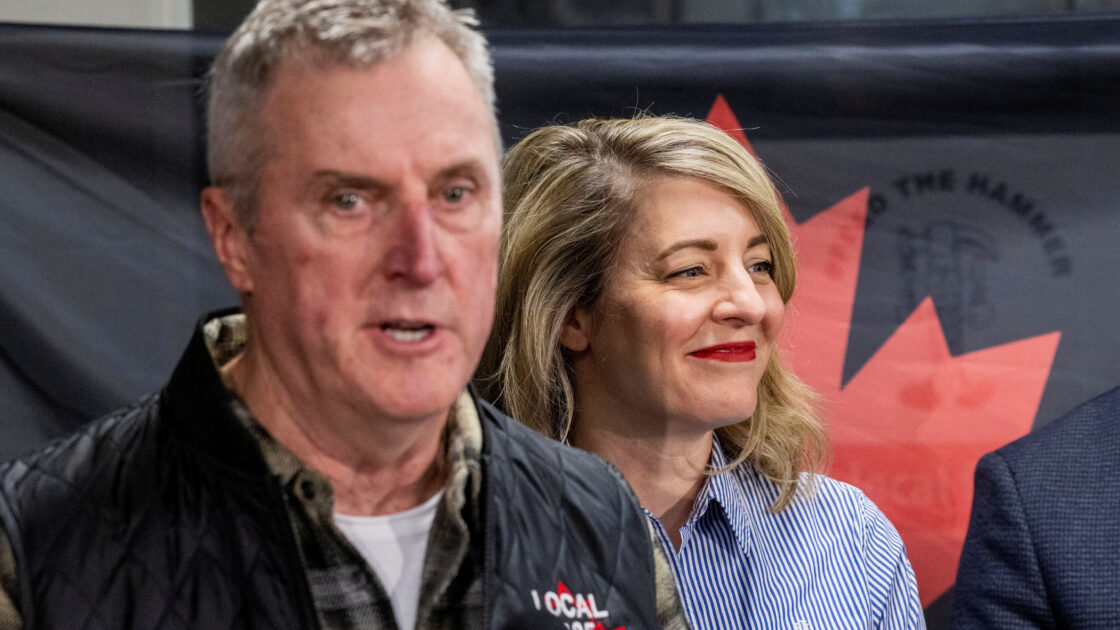
Ron Wells, president of United Steelworkers Local 1005, praised the reversal and attributed the outcome to coordinated pressure from staff, the union, and federal authorities. During a news conference alongside Joly, Wells characterized the layoffs as unlawful and immoral, asserting they should have never occurred.
Joly remarked that the resolution demonstrates to investors that Canada operates under the rule of law that applies equally to everyone regardless of wealth. She stated that the protracted battle was fully justified.
Origins of the Dispute
Cleveland-Cliffs acquired Stelco in 2024 and announced in late September that up to 500 workers would face layoffs across Stelco facilities in Hamilton and Nanticoke, Ontario. The company pointed to weak demand and challenging market conditions for cold-rolled and coated steel products used in automobiles and household appliances.
The firm attributed the downturn to US President Donald Trump’s tariffs on Canadian steel, which increased costs in the United States, alongside competition from lower-priced foreign steel that it argued reduced domestic demand.
Federal officials maintained that the job cuts breached binding undertakings the company accepted during the Stelco acquisition, which required maintaining the baseline number of Canadian unionized employees through 2029. Both Ottawa and the union further contended that Cleveland-Cliffs CEO Lourenco Goncalves violated a pledge to advocate for policies supporting the steel sectors in both nations by publicly endorsing Trump’s tariffs on Canadian steel. Goncalves’ public backing of the tariffs created confusion after he simultaneously blamed those same tariffs for Stelco’s financial difficulties.
In its statement, Cleveland-Cliffs claimed its clients agreed to support the Hamilton operations despite receiving no response from the federal government regarding shortfalls in its tariff response program. The company did not disclose specifics regarding customer agreements or specify what factors made restarting operations feasible. Cleveland-Cliffs did not respond to requests for comment.