Table of Contents
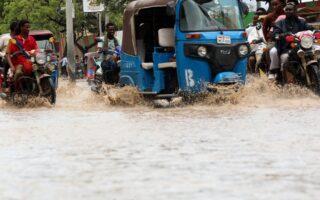
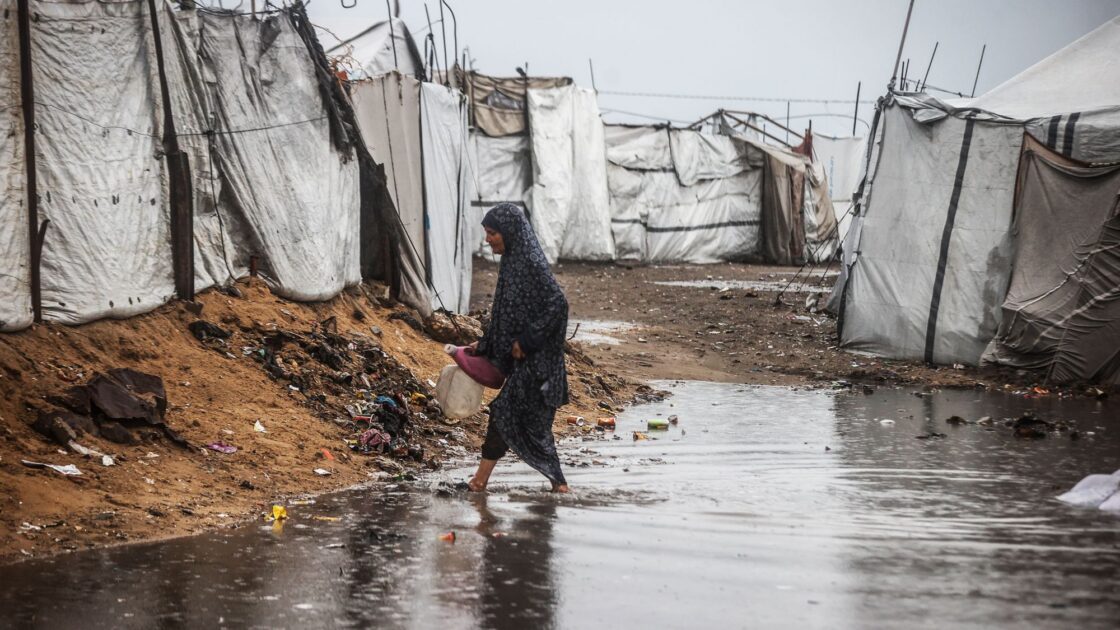
Recent rainstorms across Gaza have overwhelmed damaged infrastructure and makeshift shelters, forcing municipal engineers to choose between pumping clean water and clearing out overflowing sewage. The severe weather has flooded tens of thousands of tents housing displaced Palestinians, worsening an already dire humanitarian crisis.
Storms Overwhelm Shelters and Infrastructure
Rainstorms swept through Gaza over the weekend of November 7 and 8, leaving water well over a foot deep inside some tents in Al Maghazi, according to municipal engineer Imad Abdel Jawad. As reported by WIRED Middle East, Hanan Saied, 46, watched the storm soak the bedding and clothing she shares with her seven children inside a shelter with mud walls, cracks, and a plastic sheet roof. Her children used buckets to bail out water while her eldest son tried to repair the damaged structure, and Saied spent the night holding her daughter Sara, who has asthma, to keep her warm.
Gaza’s Government Media Office reported that at least 70,000 tents sheltering displaced Palestinians flooded within a 12-hour period. On November 8, the official Israel account on X, operated by Israel’s Ministry of Foreign Affairs, posted that Israel does not control the weather, though the post did not explicitly mention the floods in Gaza.
The severe flooding follows widespread destruction of housing across the territory. An April assessment by the European Union, United Nations, and World Bank documented more than 371,888 damaged or destroyed housing units and roughly 1.9 million internally displaced people, many displaced multiple times. By November 8, the United Nations Office for the Coordination of Humanitarian Affairs (OCHA) estimated that 1.4 million people—65 percent of Gaza’s population—lived in tents or shelters, with humanitarian partners receiving appeals from over 26,000 households with damaged belongings or shelters.
The Dilemma Between Water and Sewage
In Al Maghazi, Jawad explained that displacement sites in low-lying western and northern areas accumulate rainwater without natural outlets. While municipal teams deployed pumps to clear water from the sites, the damage extends deep beneath the streets. Israeli bombardment has damaged sewage manhole covers in the area, while others have been stolen or deteriorated over time. The missing covers allow rainwater to pour into overwhelmed sewage networks, causing wastewater to flood the streets.
Because replacement covers are unavailable locally and manufacturing materials are scarce and expensive, the municipality faces severe financial constraints. Jawad told WIRED Middle East that maintaining water wells and generators takes precedence over fixing manhole covers. “The diesel we use for these pumps comes from the allocation for the wells that are supposed to pump water,” Jawad stated, noting that their regular supply is already insufficient.
These shortages affect the entire Gaza Strip. OCHA reported on November 5 that Israeli authorities maintain strict restrictions on engine oil, lubricants, spare parts, and new generators, leaving floodwater and sewage pumping systems already failing. Restoring sustainable power supplies depends on receiving Israeli permission to import solar panels, reconnect the electricity grid, and restart the Gaza power plant. The Israel Defense Forces did not respond to WIRED Middle East’s requests for comment regarding restrictions on equipment and supplies needed for flood prevention and repairs.
Health Impacts on Children
The crisis has severely impacted local health clinics. Dr. Asma Saleh, a general practitioner at the UNRWA Al Maghazi clinic, noted an increase in children suffering from respiratory and gastrointestinal illnesses as the rainy season begins. The clinic treats approximately 120 children daily, including about 22 diagnosed with influenza-like illness based on symptoms and 13 with gastroenteritis. Saleh attributed these health issues to inhumane living conditions, infrastructure collapse, sewage-contaminated streets, and severe medical supply shortages.
For Saied, the immediate anxiety centers on protecting her daughter during upcoming storms. Sara experiences frequent asthma attacks during the winter months, and the family lacks both a nebulizer and the electricity required to run one. Saied noted that while her older son used simple tools to repair their worn shelter, she remains uncertain how to protect her family from future storms.