Table of Contents
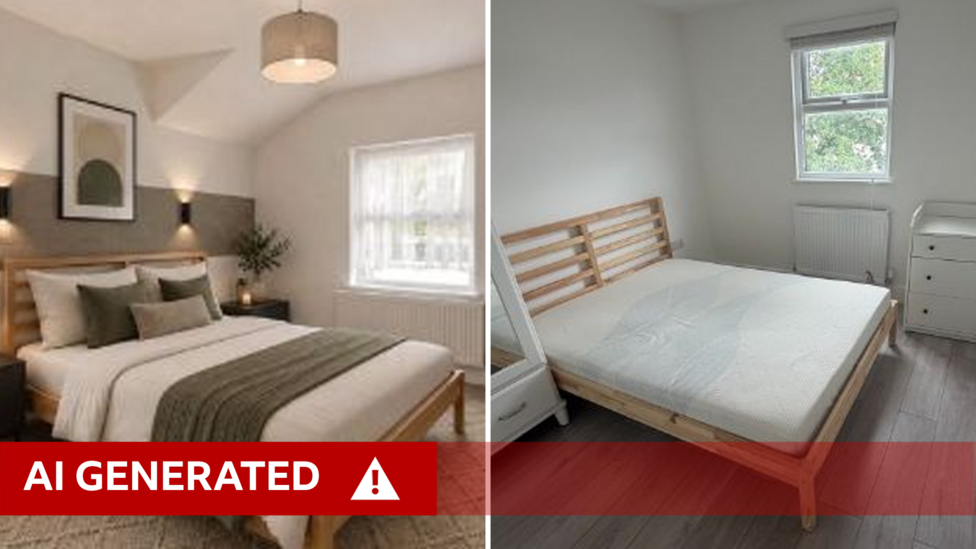
Estate agents increasingly rely on artificial intelligence to enhance property photographs, making homes appear more attractive to prospective buyers. However, experts warn that this practice can cross the line into misleading consumers, a trend that has been dubbed “housefishing.”
The Reality Behind Enhanced Photos
Earlier this year, 29-year-old Olivia Nicole searched online for five-bedroom properties in south-west London and spotted a house on Rightmove that caught her attention. When she arrived to view the property several days later, she initially thought she had gone to the wrong address. She told the BBC that the rooms were much smaller than depicted in the photographs, the decor looked completely different, and certain structural features varied, noting that a raised wall section behind the sofa and the windows were noticeably smaller. The listing photos, which also appeared on Zoopla and Winkworth, were enhanced with AI without a clear disclosure, leaving her feeling that the agent wasted several hours of her time. Rightmove, Zoopla, and Winkworth informed the BBC that they maintain strict guidelines on AI usage and have since removed the images.
A Surge of AI Listings
While estate agents have long used wide-angle lenses or Photoshop to make properties appear larger, artificial intelligence has made the process much easier and more accessible. According to a recent survey of 906 UK homebuyers, one in five people who purchased a home in the past year viewed properties with digitally enhanced listing photos. Jack Bushrod, who reviews quirky property listings for his social media channel Housing Horrors, noted a surge of AI-enhanced images over the past six months. He believes AI is acceptable for decluttering rooms or virtual staging, but draws the line at alterations that mislead buyers, such as removing a pillar, adding a window, or hiding carpet stains and tile cracks, usually without any AI labels. Cara, a 38-year-old homeowner selling her property in Lowestoft, Suffolk, was surprised to find her estate agent, Howards, used AI to empty her son’s room of clutter and alter a rug in her daughter’s room on Rightmove. While one viewer noted the discrepancies, Cara trusts the agency, and a Howards spokeswoman stated the firm now explicitly labels all AI-enhanced photos and never uses the technology to misrepresent fundamental property features.
Regulatory Boundaries and Future Trends
Trading Standards stated that estate agents may use AI for basic photo enhancements, virtual furniture, or empty gardens, provided they disclose the technology’s use. However, making structural room changes or concealing features can mislead consumers and violate the law. Jack Bushrod advocates for mandatory labeling of AI-enhanced photos in the key features slide of every listing and anticipates that housefishing will grow as more agents adopt the trend.