Table of Contents
Haiti has faced continuous turmoil since 2018 marked by protests, a presidential assassination, and severe gang violence. Recently, Haitian Prime Minister Alix Didier Fils-Aime praised the efforts of Salvadoran forces in combating these criminal groups.
Salvadoran Troops Deployed in Haiti
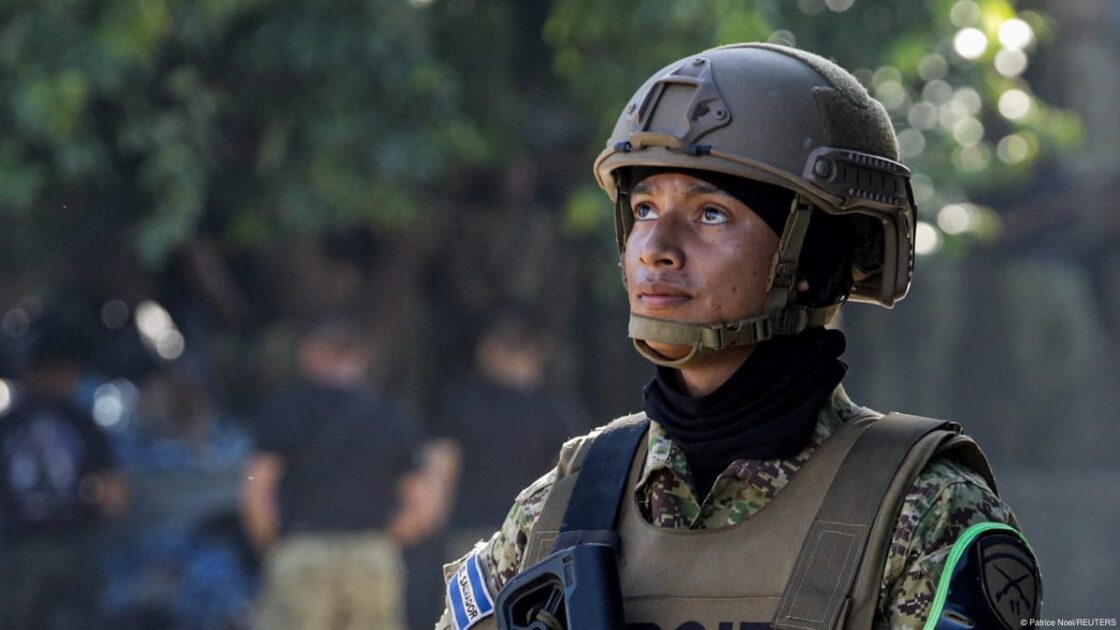
Salvadoran soldiers have been stationed in Haiti since the start of 2025 to help restrict gang influence. Last month, President Nayib Bukele sent over 2,000 troops and special forces to the country, officially to locate and rescue four Salvadoran citizens ambushed on October 18 who remain missing.
Prime Minister Fils-Aime expressed gratitude on the social media platform X, noting that the military support aids the ongoing fight against gangs. The two countries are collaborating alongside the UN-backed Gang Suppression Force (GSF) to reestablish state control.
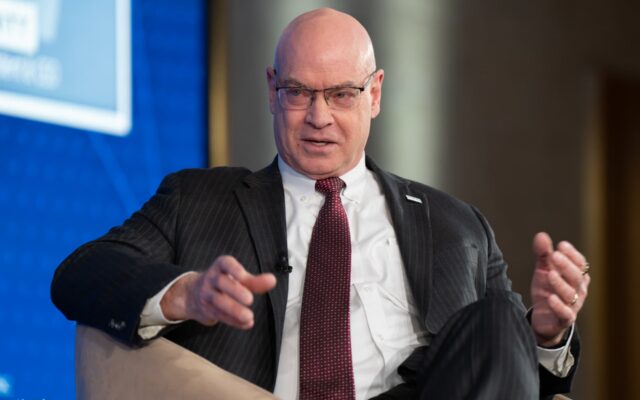
However, questions remain regarding the formal legitimacy of the Salvadoran deployment. Jake Johnston, a Haiti expert and international research director at the Center for Economic and Policy Research in Washington, told The New Humanitarian that coordination and clear operational boundaries among the various security entities present a major concern.
Current Violence and the Salvadoran Model
A United Nations report published on Thursday highlighted ongoing atrocities in Haiti, including bloody turf wars and sexual violence across Port-au-Prince, Artibonite, and South-East departments. The report recorded at least 1,167 deaths and 459 injuries between July and September 2026, driven largely by security operations against gangs.
Analysts suggest the deployment aligns with President Bukele’s desire to expand his iron-fist domestic security approach internationally. While that domestic policy successfully lowered homicide rates through mass imprisonment, experts argue Haiti presents a different challenge. Romain Le Cour Grandmaison of the Global Initiative Against Transnational Organized Crime explained that Haiti lacks the necessary conditions for the Salvadoran model, noting that the country’s prisons were emptied in 2024, the judicial system is largely paralyzed, and gangs operate more like armed militias.
Relations with the United States
Relations between the United States and El Salvador have strengthened significantly during Donald Trump’s second term. Deportations from the US to El Salvador increased by 98% in early 2026, and Le Cour Grandmaison noted that Washington maintains a discreet yet central role in Salvadoran public life.
President Trump has granted Bukele considerable autonomy regarding regional security measures. Trump stated in November that he told Bukele to handle the situation in Haiti as he sees fit.