Table of Contents
High in the atmosphere, a ring of cold air known as the polar vortex swirls over the Arctic, shifting through the seasons and influencing surface weather. Observations currently indicate that this twisting pool of cold air has weakened at an unprecedentedly early point this year, with its winds reversing direction.
Record-Breaking Stratospheric Disruption
Scientists note that while the exact consequences for the Northern Hemisphere winter remain uncertain, the current event is breaking historical records. Tim Stockdale and Frederic Vitart, principal scientists at the European Centre for Medium-Range Weather Forecast (ECMWF), told the AFP news agency that this is the earliest observed stratospheric vortex disruption. Meteo-France, the French meteorological agency, similarly classified the occurrence as unprecedented.
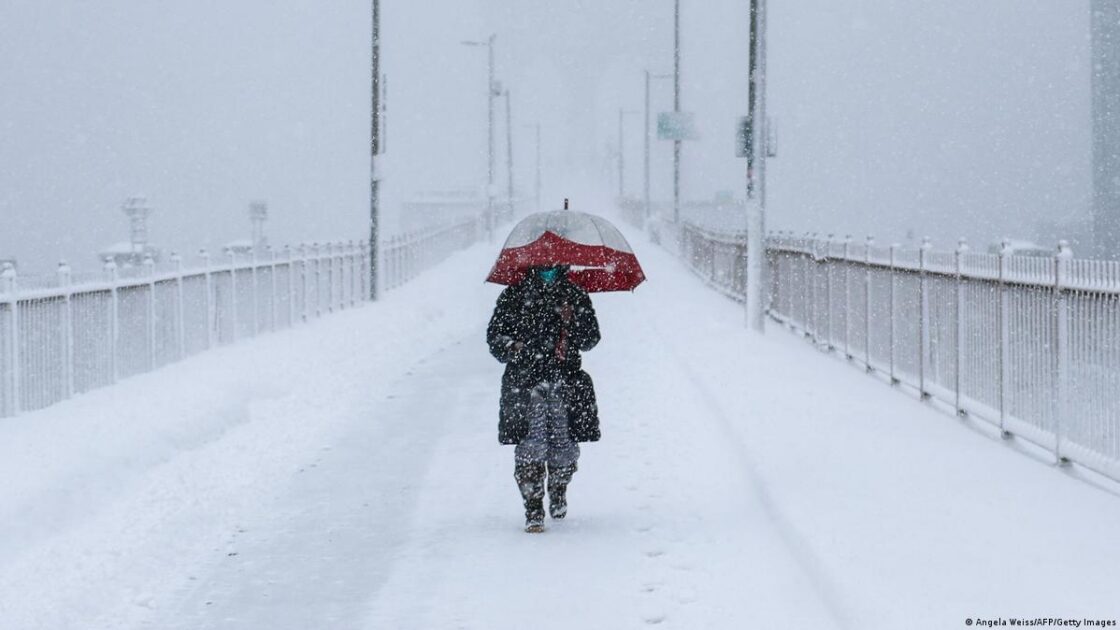
Judah Cohen, a climatologist at the Massachusetts Institute of Technology, explained to AFP that the early breakdown significantly raises the probability of cold air outbreaks across densely populated latitudes in the Northern Hemisphere, including the US, Europe, and East Asia.
Mechanisms of the Polar Vortex
The polar vortex consists of a massive band of cold, low-pressure air rotating counterclockwise around the North Pole at an altitude of roughly 10 to 50 kilometers. It maintains a close connection with the jet stream, a powerful band of winds positioned just underneath the vortex that separates cold Arctic air from warmer air originating in the tropics and subtropics.
During winter, a tight vortex typically keeps the coldest air locked around the North Pole, whereas uneven waves can dip southward and alter the jet stream’s position. This movement can allow freezing Arctic air to spill into southern regions. Such disruptions are frequently triggered by sudden stratospheric warming, a phenomenon where polar stratosphere temperatures rise dramatically within days, weakening westerly winds and potentially causing the vortex to split, shift, or reverse direction entirely. Recovery from these events often takes several weeks.
Potential Winter Weather Impacts
Past disruptions have triggered severe events, such as the February 2021 Great Texas Freeze, which brought prolonged freezing temperatures, widespread power outages, and hundreds of fatalities. However, the UK national weather and climate service, the Met Office, emphasizes that a vortex disruption merely shifts weather probabilities rather than acting as a direct control switch for cold conditions.
Additional weather patterns may alter the final outcome. Cohen told AFP that El Nino, a phenomenon typically linked to milder winters, might moderate or modify the impacts, though certainty is lacking. The ongoing El Nino event, fueled by warming surface temperatures in the central and eastern equatorial Pacific, is currently intensifying and projected to peak by the end of the year.
Furthermore, researchers debate whether rapid Arctic warming driven by climate change contributes to frequent polar vortex disruptions, which could mean certain regions face severe cold spells even as the overall planet warms.