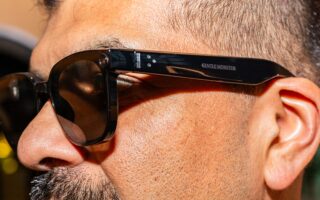
Public trust in smart glasses is vital for commercial success, especially as camera-equipped eyewear faces scrutiny over privacy concerns. Amid growing discomfort regarding unauthorized filming, Google is detailing the privacy protections built into its new intelligent eyewear platform.
Privacy Protection for Onboard Sensors and Gemini AI
Google’s smart glasses feature an LED light on the left side of the frame to signal when a user is capturing photos or recording videos. According to Engadget, the device includes sensors that detect if the indicator light is covered or tampered with, which automatically halts capture.
Juston Payne, the lead for XR at Google, told Engadget that launching past devices without tamper detection broke public trust. Payne acknowledged that bad actors will attempt to bypass these security measures, noting that Google will continually address vulnerabilities as they arise.
The glasses integrate Gemini AI to analyze what the wearer is looking at, but camera visuals will not be stored in the user’s Gemini history. Google stated that the system automatically redacts bystanders’ faces before processing visuals, and camera streams will not be used for AI training or ad targeting.
Four onboard microphones utilize directional beamforming to focus primarily on the user’s voice and filter out ambient bystander audio. Users must grant explicit permissions for apps to access the camera, and a physical power switch featuring a red indicator provides a clear signal when the eyewear is completely shut down.
Ecosystem-Wide Prevention Measures
Google is implementing safeguards across its entire ecosystem to deter misuse, such as banning the sale and advertising of accessories designed to hide recording lights on Google Shopping and Ads. Additionally, YouTube policies prohibit content depicting harassment or unwanted sexualization regardless of the recording device used.
Google’s Play Store and API policies will also block apps from utilizing the camera for social live-streaming, real-time facial identification, or altering the behavior of the external indicator light. Payne told Engadget that Google hopes these measures will encourage other industry players to tighten their own privacy policies.
Payne believes that the nascent smart glasses category offers an opportunity to reset the conversation around privacy. By establishing higher standards and earning consumer trust, the company hopes to shift focus toward the utility and value of the technology.