Table of Contents
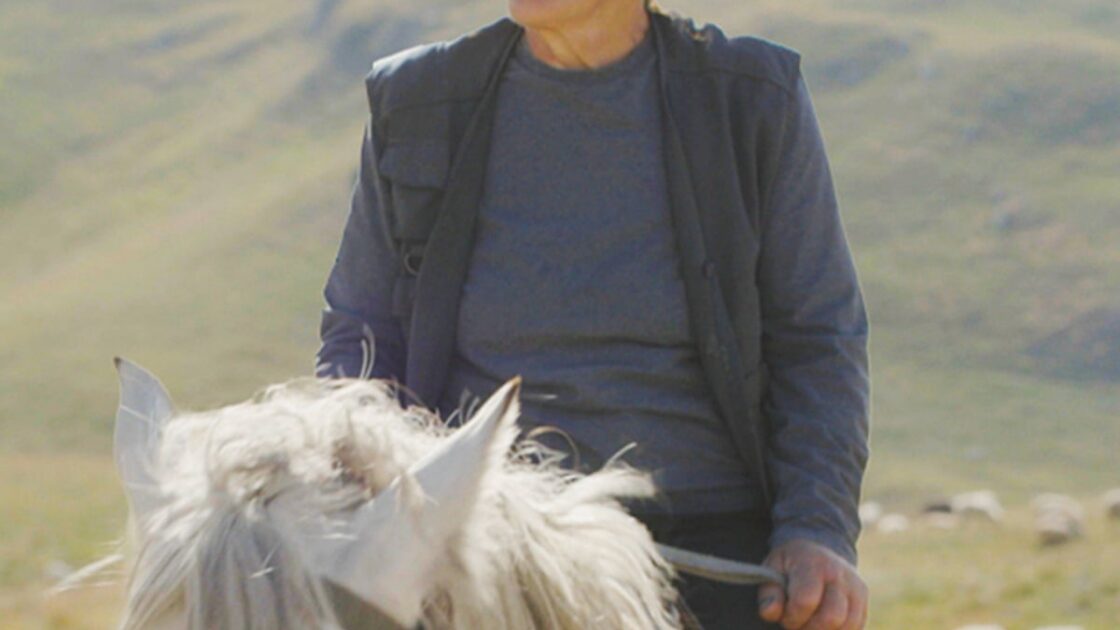
The documentary To Hold a Mountain chronicles the life of Mileva “Gara” Jovanović, a Montenegrin shepherdess who became the face of a successful grassroots movement to prevent the government from turning the Sinjajevina mountains into a NATO military training and weapons testing facility. The film, directed by Biljana Tutorov and Petar Glomazić, follows Gara’s struggle to preserve her traditional way of life and the mountain she considers a living being.
A Fight for the Mountains
The filmmakers first encountered Gara eight years ago at a protest rally. According to Glomazić, while local men were hesitant to speak out against the military plans, Gara took the lead, mounting a horse to deliver a powerful speech that galvanized the community. Glomazić, who comes from a family of herders, and Tutorov spent years documenting the brutal, off-grid reality of Gara’s life. Her daily routine involves hauling water, cooking on wood-fired stoves, and protecting her livestock from wolves and harsh weather.
Gara’s connection to her animals is profound; she identifies her cows, sheep, and dogs by name. She even claims she can identify which herbs her cows have grazed upon by the scent of their burps. For Gara, this life of hardship is a deliberate choice for freedom. She previously worked in a city factory but found the environment oppressive, stating, “I decided that nobody’s going to be my boss. For the kids also, it was much nicer to grow up in nature.”
Spiritual and Cultural Significance
The documentary highlights the spiritual bond Gara shares with the landscape. She describes the mountain as a source of healing and strength, asserting that she would sacrifice her own life to ensure the mountain remains for future generations. The film contrasts this deep connection with the sterile, bureaucratic environment of government offices, where Gara was forced to confront military officials regarding their plans for the land.
The filmmakers aimed to capture not just a political struggle, but the broader reality of a disappearing pastoralist culture. While rural populations across Europe are shrinking, Gara’s daughter, 20-year-old Nada, represents a potential bridge between worlds. Currently studying biology at university, Nada hopes to become a microbiologist but maintains a deep, personal connection to the mountain, noting that it “will listen without judgment” when she faces difficulties.
A Victory for the Community
In the summer of 2025, the Montenegrin government abruptly canceled the plans for the military training zone. The filmmakers, who had already completed the documentary, chose to reopen the edit to include this moment of victory. Gara described the feeling as being “like a queen in my castle,” and the film’s subsequent success at festivals—including a win at Sundance—has served as a victory lap for her efforts.
Beyond the political victory, the film explores themes of personal survival, grief, and the strength of women. Tutorov noted that Gara was intentional about framing her experience as a universal story for all women. Reflecting on her journey, Gara expressed pride in her achievements, stating that she wanted to demonstrate to all generations that mothers must find the strength to protect their children and their heritage.