Table of Contents
The relentless spread of the highly infectious H5N1 avian influenza strain has triggered mass mortality events among animal populations around the world, leading conservation authorities to formally raise the extinction risk of vulnerable wildlife. In April, the International Union for Conservation of Nature (IUCN) Red List downgraded the southern elephant seal from “least concern” to “vulnerable,” marking the first time a species has had its threat level increased directly due to bird flu.
The virus has severely affected the sub-Antarctic island of South Georgia, home to more than half of the global breeding population of southern elephant seals. By 2025, more than 53,000 female elephant seals had died on the island, with some South Atlantic colonies losing over 90 percent of newborn pups and about half of adult females. Scientists suspect the global population of the species has fallen by nearly a third, with recovery models predicting decades will be needed for numbers to bounce back.
Evaluating Pandemic Impacts on the Red List
Despite causing hundreds of thousands of animal deaths across at least 40 bird species, H5N1 has so far prompted a formal status change for only the southern elephant seal. As reported by The Guardian, evaluating extinction threats involves a complex scientific and administrative process. The IUCN Red List has evaluated nearly 176,000 species to date, with targets to assess 260,000 species by 2030, though most organisms are reassessed only once per decade.
BirdLife International monitors more than 11,000 bird species annually, providing more frequent evaluations for birds than for other animal groups. However, scientists caution against hasty reclassifications following sudden die-offs. Rob Martin, senior red list officer at BirdLife International, explained to The Guardian that establishing accurate baseline populations before an outbreak is essential to determine whether a species has met the threshold for an elevated threat level.
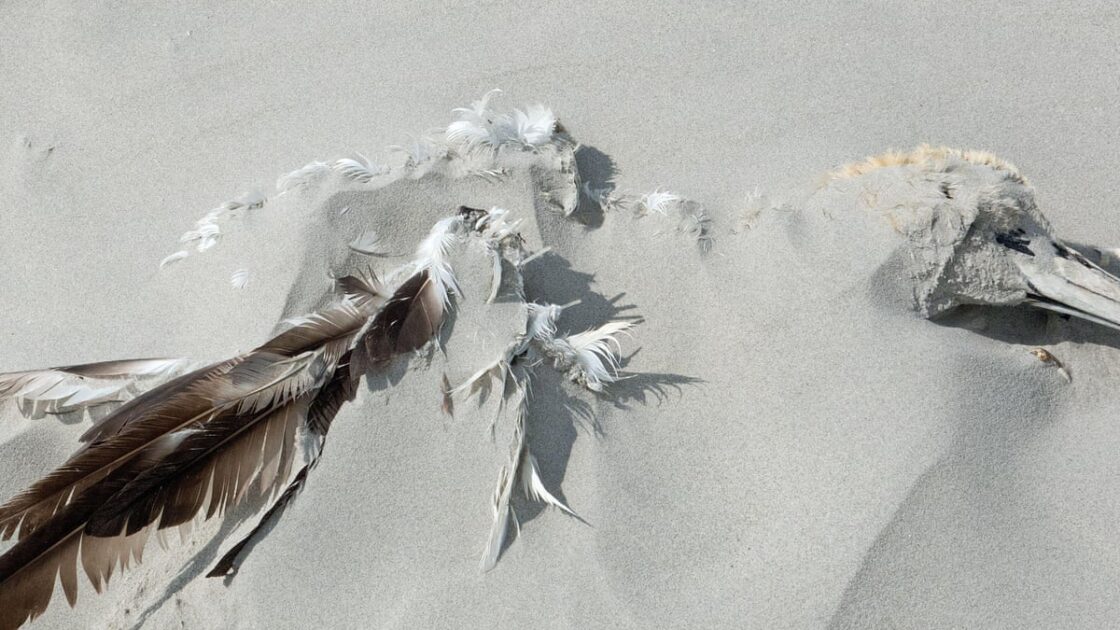
Researchers at BirdLife International are currently prioritizing reassessments for four heavily impacted avian species: the great skua, northern gannet, Peruvian pelican, and Humboldt penguin. Monitored colonies of the great skua in Scotland saw a 76 percent decline between 2021 and 2023. Similarly, northern gannet populations at major UK breeding sites such as Bass Rock and Grassholm dropped by more than 40 percent. However, broader studies revealed that the total north-eastern Atlantic gannet population fell by no more than 17 percent between 2013 and 2024, demonstrating why partial data cannot be used for premature listing changes.
Disparities in Mortality and Environmental Pressures
Tracking the exact toll of H5N1 presents significant logistical challenges. In Peru, about one-fifth of the pelican population in marine protected areas died during 2022 and 2023, but monitoring in isolated regions remains underfunded. Wouter Langhout, a policy consultant at BirdLife International, noted that counting dead migratory birds is particularly difficult because animals that die at sea are usually lost.
Furthermore, mass die-offs do not affect all species equally. Fast-reproducing animals or those where mortality is skewed by gender may recover more quickly. Jaume Forcada, a marine mammal expert at the British Antarctic Survey, told The Guardian that male Antarctic fur seals suffered severe mortality because they remain on breeding beaches longer, while females left quickly after pup birth and largely avoided exposure.
Scientists also emphasize that population declines cannot always be attributed solely to avian influenza. When the African penguin was classified as critically endangered in 2024, researchers identified commercial fishing competition and climate impacts as the primary drivers rather than bird flu. Similarly, Alejandro Simeone of the IUCN penguin specialist group pointed out that nearly 3,000 dead Humboldt penguins found in Chile in 2023 coincided with severe El Niño conditions and fishing net drownings, making the exact impact of H5N1 difficult to isolate.
Concerns for Isolated Wildlife Populations
Conservationists remain concerned about small, isolated populations that could be pushed toward extinction if exposed to the virus. Attention has turned to Australia, where mainland H5N1 cases were detected in June. The country is home to highly restricted, critically endangered species such as the orange-bellied parrot and the regent honeyeater.
In response to potential outbreaks, the Australian Antarctic Division announced in August that it would evacuate its Macquarie Island research station. The measure aims to shield station personnel from psychological distress ahead of expected mass seal pup mortality, as Macquarie Island remains the last major stronghold of southern elephant seals untouched by H5N1. The next scheduled update to the IUCN Red List is expected on 26 November, with further proposals for status changes set to be reviewed in early 2027.