Table of Contents
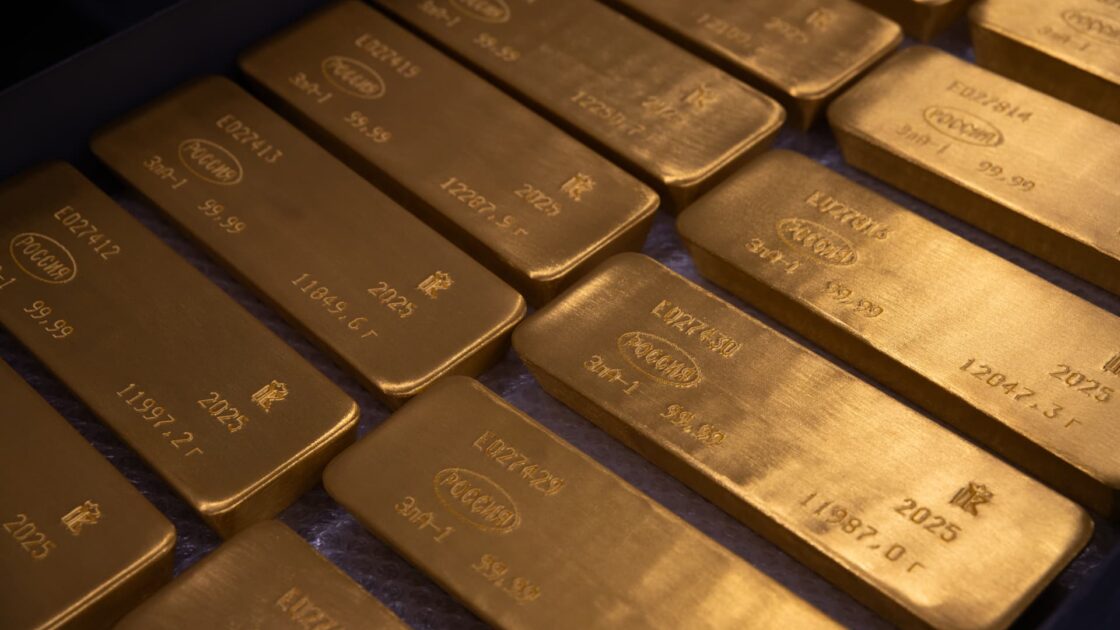
Singapore is stepping up efforts to become a major player in the global gold market, betting that a new central bank vaulting service and tax incentives will help it attract more bullion flows. The Monetary Authority of Singapore on Tuesday launched a gold vaulting service for foreign central banks and sovereign entities, featuring an initial capacity of 500 metric tons.
New Incentives and Infrastructure
The city-state also plans to introduce tax exemptions for certain wholesale gold-related services such as vaulting, refining, recasting, testing, and broking. In June, Singapore unveiled plans for a physical gold clearing system to facilitate the settlement of bullion transactions in the city-state, with operations expected to begin in the first quarter of 2027. These initiatives mark the country’s latest attempt to establish itself as a key bullion hub alongside established centers such as London and Switzerland, as more gold trading activity shifts toward Asia.
However, breaking into a market dominated by established trading hubs may prove an uphill battle. For instance, London vaults held about 9,850 metric tons of gold at the end of October, including commercial and central bank storage. The push from Singapore also comes as rival Hong Kong is expanding its gold storage and clearing infrastructure, leveraging its proximity to China, the world’s largest gold market.
Juerg Kiener, chief investment officer at Swiss Asia Capital, told US Top News and Analysis that Singapore is very late to the party because building up a physical hub requires volume when it comes to trade-backed structures. Kiener stated that the largest gold market is China and its window to the rest of the world is Hong Kong, adding that Singapore is not well-positioned to compete with Hong Kong in gold-backed trade. Kiener noted that Singapore could instead carve out a niche in physical gold storage for financial institutions, although commercial vaulting services are already available in the city-state, including at its high-security freeport near Changi Airport.
Custody Ambitions and Challenges
Unlike commercial vaults, the new facility will be operated by Singapore’s central bank, offering foreign monetary authorities an alternative sovereign custodian for their gold. Shaokai Fan, global head of central banks at the World Gold Council, told US Top News and Analysis that this development is uncommon in the gold market or the central bank community. Fan explained that the move comes as central banks increasingly reassess where they store their bullion amid geopolitical tensions. According to a World Gold Council report published in September, several countries have diversified gold storage over the past 12 months, with many planning to do so. Fan added that Singapore’s political stability, strong legal framework, and extensive air connectivity could make it an attractive alternative to traditional storage centers.
Nikolas Kavalis, managing director at Metals Focus, said the sovereign vaulting service represents an important addition to Singapore’s existing gold infrastructure, but cautioned that storage alone would not be sufficient to establish a fully functioning bullion market. Kavalis explained that the bigger challenge is building sufficient liquidity and trading activity to compete with London, which remains the dominant global over-the-counter gold market. Both Singapore and Hong Kong are still developing their local clearing infrastructure, meaning neither has yet established the kind of deep trading ecosystem that underpins London’s dominance. Kavalis noted that attracting central bank gold could help Singapore build that liquidity, particularly if bullion stored locally can also be mobilized for transactions rather than simply held in custody.
Growth Potential in Asia
Singapore’s efforts come as gold flows have already undergone a significant transformation over the past decade. Historically, much of the world’s bullion moved through London and Switzerland, where large gold bars were traded or refined before being shipped to Asian markets. Kavalis stated that the expansion of Asian refineries and growing regional demand have increasingly allowed gold to move directly between Asian markets, reducing their dependence on European trading centers. The development of more sophisticated gold hubs in Asia could accelerate that shift.
Kavalis said that Hong Kong might have an edge in serving central banks and institutions whose financial activities are closely tied to China, while Singapore could appeal to those already active in its banking and financial markets. Fan sees room for both centers to grow, stating that the two centers complement each other rather than compete. Singapore’s Deputy Prime Minister Gan Kim Yong similarly dismissed suggestions that the two financial hubs were looking at securing a larger share of the same pie. Gan stated on Tuesday that it is not a zero-sum game, adding that Singapore’s vaulting service would provide central banks with another option for diversifying where they hold their reserves.
Whether Singapore can translate its reputation as a trusted financial center into meaningful bullion flows remains to be seen. Fan described the situation as a bit of a chicken-and-egg scenario, explaining that to attract volumes you want liquidity, but to get liquidity you need volumes.