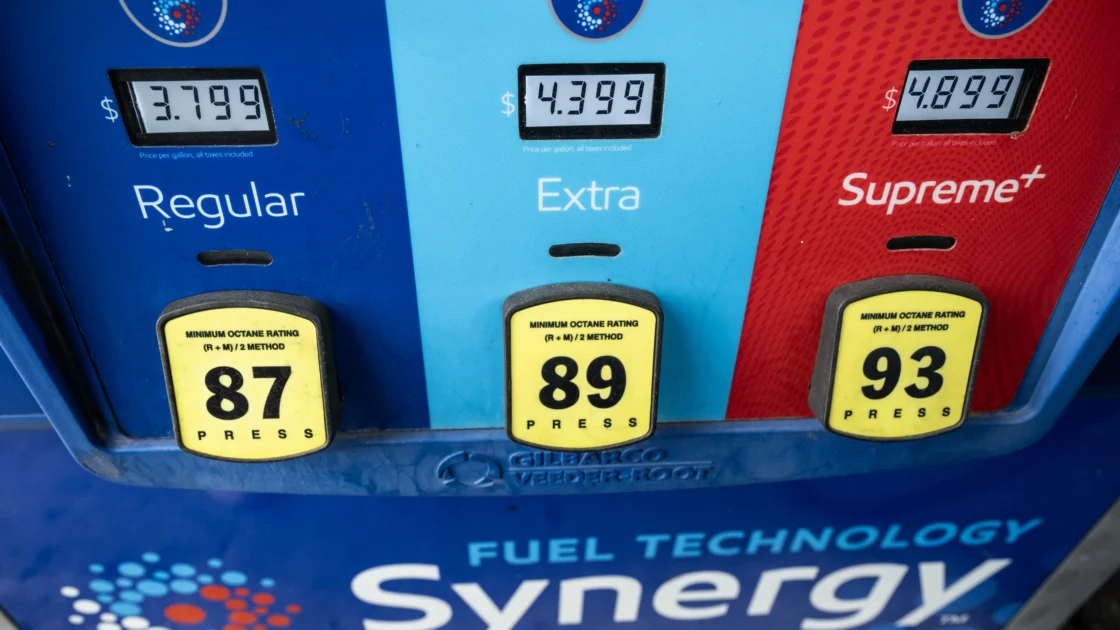
Consumers across the United States are finding relief at the gas pump as average gasoline prices fall below $4 a gallon for the first time in three months. However, broader inflation remains stubbornly high, with the overall cost of living continuing to press households.
Gas Prices and Market Factors
The average price of regular gasoline dropped by 38 cents over the past month to reach a national average of $3.98 a gallon, according to data from AAA. This decline is driven by falling crude oil prices, refineries shifting to a cheaper winter fuel blend, and a seasonal decrease in demand.
Patrick De Haan, petroleum analyst for GasBuddy, explained that colder temperatures and the end of the boating and RV season are contributing to the drop. De Haan noted that the national average could potentially reach $3.75 a gallon by Thanksgiving, provided there are no major geopolitical disruptions.
Despite this relief, gas prices remain at a record high for this time of year, sitting about a dollar a gallon higher than when the U.S. went to war with Iran. Diesel prices have also decreased more slowly, averaging $6.15 a gallon, down roughly 13 cents from the previous month. The elevated cost of diesel stems largely from supply disruptions tied to the war and Russia’s conflict with Ukraine, which has severely restricted Russian diesel exports. These high diesel prices are also driving up costs for heating oil in the Northeast and increasing freight expenses for transported goods such as apparel, recreation products, and IT equipment, according to RBC Capital Markets economist Mike Reid.
Inflation and the Economy
The Labor Department reported that consumer prices in October rose 0.4% from September, marking a monthly increase that exceeded forecasters’ expectations. Rising housing costs made up about a third of this monthly rise, while grocery prices also increased sharply.
In a speech delivered ahead of the inflation data release, Federal Reserve official Chris Waller indicated that energy shocks could have longer-lasting impacts on inflation than previously anticipated. Waller suggested the central bank might need to implement more aggressive interest rate hikes to control price increases than markets had expected.
Tuesday’s inflation report omitted the typical annual comparison due to a government shutdown last year that prevented the recording of October 2025 price data. Nevertheless, the Cleveland Federal Reserve Bank estimated that consumer prices rose 3.7% over the year, outpacing average wage gains of 3.1%. This reduction in buying power contributed to a high voter turnout during last week’s midterm elections, where 49.1% of eligible voters participated.