Table of Contents
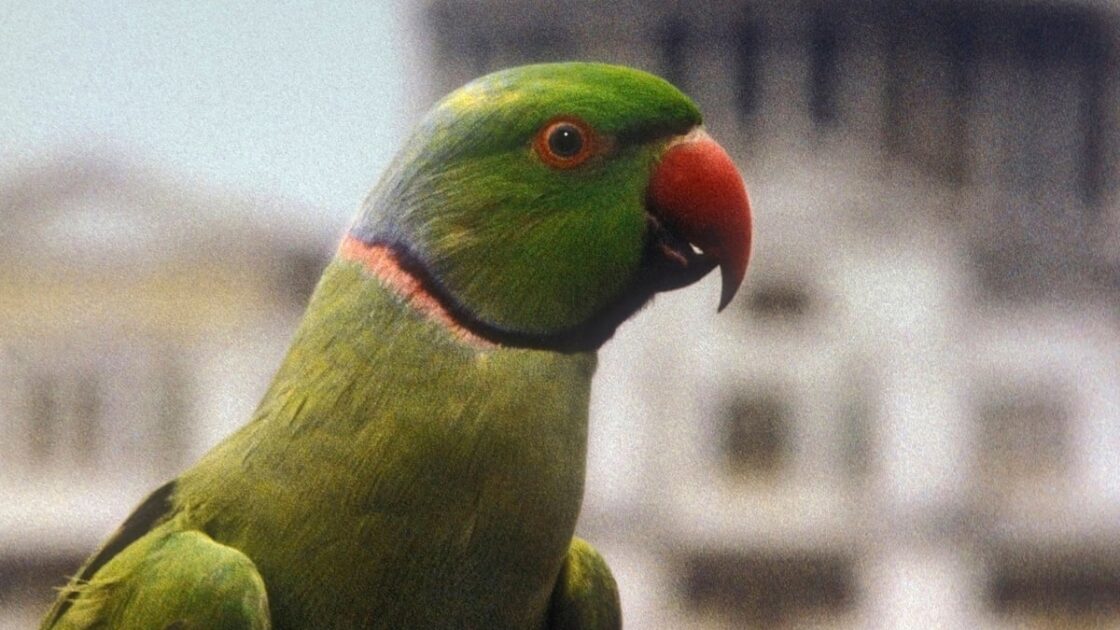
Ring-necked parakeets have established a thriving presence across British cities over the past half-century, filling the skies with their vibrant green plumage and loud calls. However, as their numbers continue to grow, these Himalayan birds have shifted from beloved novelties to being viewed as potential ecological and agricultural threats, sparking a fierce debate among conservationists, officials, and the public.
The Rise of the Ring-Necked Parakeet in Britain
Originally from Asia, the ring-necked parakeet population in Britain is genetically distinct, combining two subspecies: the boreal stock from Pakistan, northern India, Nepal, Bangladesh, and Myanmar, and a southern Indian and Sri Lankan variety. Because the boreal stock is dominant, the birds have adapted exceptionally well to Britain’s cooler, wetter climate. Thousands of these birds gather in massive roosts in places like Hither Green cemetery in south-east London, creating a striking urban wildlife spectacle.
Popular legends about their origin—such as Jimi Hendrix releasing pets on Carnaby Street in 1968, escapes from the set of The African Queen in 1951, or Henry VIII’s menagerie—do not hold up to scrutiny. According to a 2019 study, the population grew from a steady trickle of runaway pets, deliberate releases, and aviary escapes, aided by a postwar British bird-keeping boom that saw pet bird numbers soar from 600,000 in 1947 to 11 million by 1961. The UK’s official parakeet count reached 12,000 breeding pairs by 2016, with current estimates suggesting around 50,000 individual birds.
The Threat Versus the Backlash
As the parakeets expanded their range—even reaching Glasgow—politicians, conservation bodies, and land managers began questioning the impact of tens of thousands of parrots in urban and rural areas. Studies suggest negative impacts on native bird and bat populations, and note that the birds can carry Newcastle disease and Cryptosporidium. In March, the British government opened a consultation on the quarry list, and the British Association for Shooting and Conservation (BASC) proposed adding 24 birds, including the parakeet, which would allow the public to shoot them without needing specific justifications to protect crops or wildlife.
Conor O’Gorman, BASC’s head of policy, stated that the move was intended to give landowners a quick legal option against rural incursions rather than to cull urban populations for pleasure. Nevertheless, O’Gorman acknowledged to The Guardian that xenophobia might underlie some of the anti-parakeet rhetoric, noting that he understands how the language used can carry underlying prejudice against the exotic.
Critics of parakeet eradication argue that the panic is driven by an underlying fear of newcomers and hysterical press coverage. Naturalist Chris Packham argued in a Channel 4 documentary that removing the birds would be an act of eco-cultural vandalism. Similarly, the bird-watching organisation for people of colour, Flock Together, compared the microaggressions faced by parakeets to those experienced by British citizens with non-white heritage.
The Broader Debate Over Invasive Species
The controversy reflects a wider division within invasion biology. Traditionalists point to severe historical examples of non-native species wreaking havoc, such as brown tree snakes in Guam or Nile perch in Lake Victoria, and warn that parakeets could eventually damage agriculture, citing reports of birds eating cherry blossoms in Kent. Tim Weston of the National Gamekeepers’ Organisation told The Guardian that flocks descending on orchards can destroy fruit production entirely.
On the other side, critics like botanist Ken Thompson argue that demonising species simply for coming from elsewhere is unscientific and rooted in ideology rather than facts. Author Nick Hunt views the parakeets as a joyous, thriving addition to grey cityscapes, pointing out that accepting current species ranges as permanently fixed goes against the natural order of things.
The original, longer version of this reporting was published in The Baffler magazine.