Iran on Tuesday rejected allegations from France that its Islamic Revolutionary Guard Corps (IRGC) orchestrated a cyberattack on hundreds of French supermarkets last month. The denial came as the French government summoned Tehran’s ambassador to address the incident.
Iranian and French Reactions
Iran’s Foreign Ministry strongly denied what it termed baseless and one-sided accusations from Paris regarding cyber activities in France. The ministry condemned the policy of leveling accusations against the Islamic Republic and warned that it would not hesitate to protect its national interests and security if sanctions were imposed.
Furthermore, Tehran accused France of attempting to deflect attention from its own governance shortcomings. A statement from the ministry claimed that a government unable to manage the temperature of its refrigerators was trying to shift blame onto foreign actors.
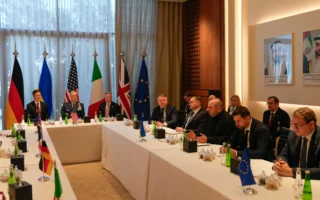
French Foreign Minister Jean-Noel Barrot stated on Tuesday that his administration would rule nothing out and would implement proportionate measures to deter further attacks. Barrot, speaking during a G7 foreign ministers’ gathering in Paris that included US Secretary of State Marco Rubio, noted that the risk of renewed escalation with Iran could not be dismissed despite shifts in the US political landscape.
Paris summoned the Iranian ambassador to signal its displeasure and announced plans to pursue European-level sanctions. The European Union indicated it would work toward a swift and united response using tools from the EU cyber diplomacy toolbox, including potential sanctions, according to spokesman Anouar El Anouni.
Investigation Details and Broader Threats
Paris prosecutor Laure Beccuau announced on Monday that an investigation had been opened into prominent members of Shahid Kaveh, an offensive cyber unit linked to the IRGC’s Electronic and Cyber Center. Her office requested arrest warrants for two officials associated with the unit and is actively investigating others.
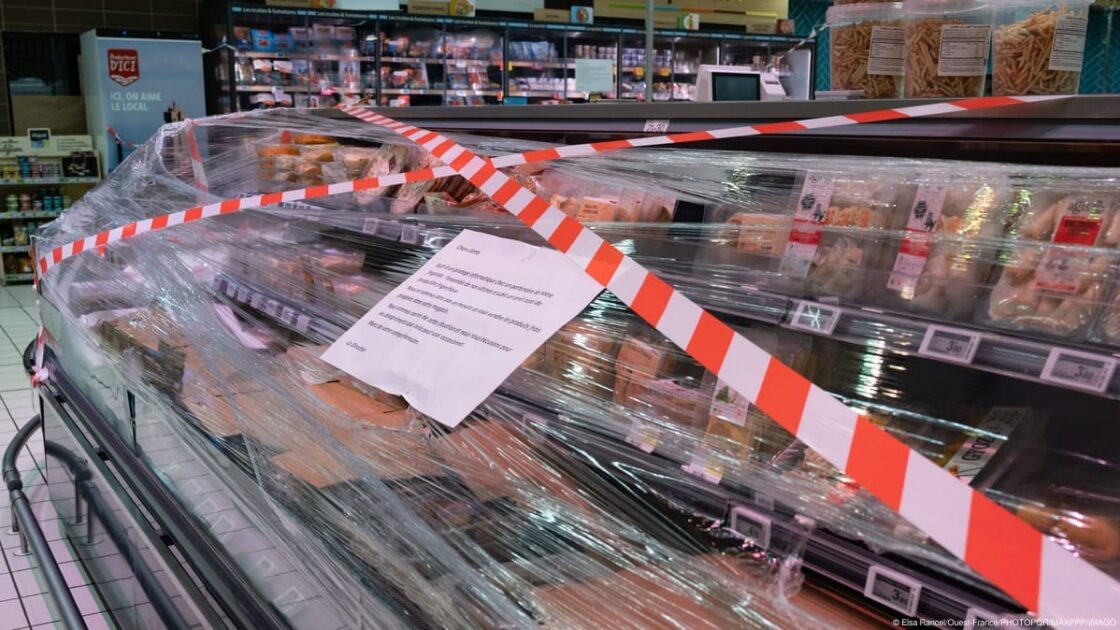
According to French cyber intelligence agencies, the unit executes large-scale campaigns aimed at industrial sabotage, primarily focusing on Israel and the United States while also impacting France and other European nations. The October cyber intrusion affected about 700 of France’s roughly 10,000 supermarkets by manipulating web interfaces to trigger abnormal defrost cycles and disable automated temperature alert sensors.
The initial overnight attack caused produce to spoil and sparked isolated fires after raising temperatures in refrigerator and freezer units. Similar incidents have since materialized across Europe and beyond, including a recent failed attack targeting cooling units at French blood banks, though authorities have not yet confirmed connections between the events.
Sweden’s Civil Defense Minister Carl-Oskar Bohlin cautioned that additional cyberattacks could occur in the coming months as artificial intelligence tools simplify the process of identifying and exploiting vulnerabilities. Bohlin noted that recent hacks affecting Swedish supermarkets remained unconfirmed as linked incidents, citing the ease of replicating such sabotage methods after widespread media reporting in October.