Table of Contents
- Civil society groups fill gaps left by governments
- When African governments become part of the problem
- Do outside forces shape public opinion in Africa?
- The mixed role of media literacy initiatives
- Limited powers elsewhere in Africa
- Mozambique: Fighting disinformation as a tool of control
- Guidance from Europe — with limited safeguards
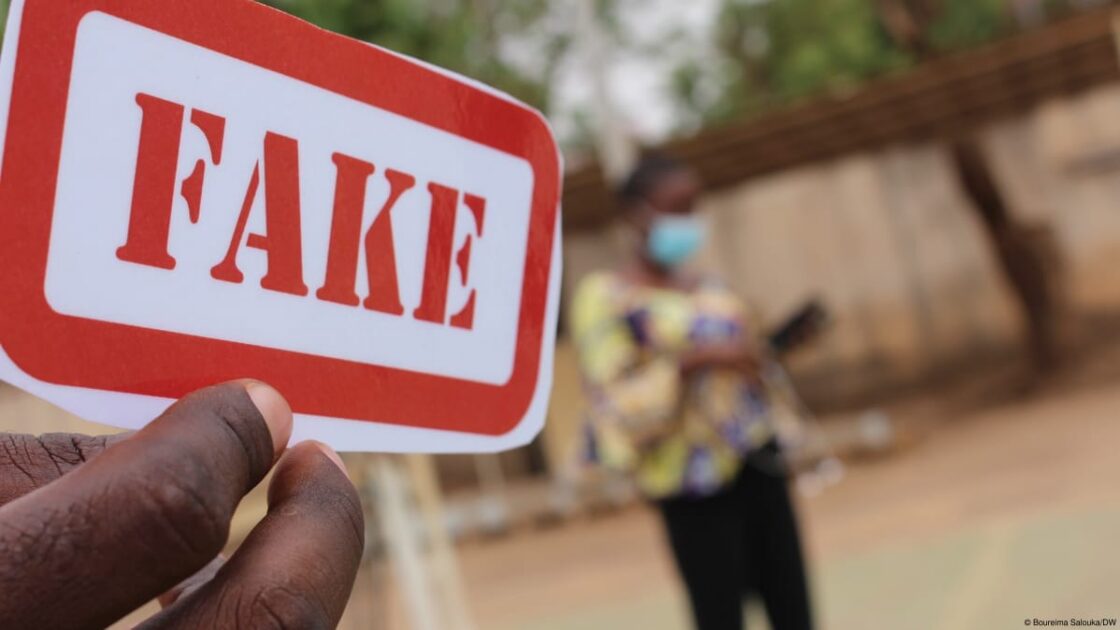
Misinformation poses a threat to democracy worldwide through exaggerated WhatsApp messages, manipulated TikTok videos, and fake breaking news alerts on Facebook, particularly around election times in Africa and beyond. As artificial intelligence makes altering images, voices, and videos increasingly easy, numerous countries are striving to equip their populations with skills to spot and counter fake news. However, questions remain over whether these initiatives genuinely raise awareness or if certain governments exploit the fight to control public opinion and silence critics.
Civil society groups fill gaps left by governments
Dani Madrid-Morales, a journalism lecturer at the University of Sheffield, told Deutsche Welle: DW.com – Top Stories that African governments must significantly step up efforts to counter disinformation and misinformation sources. He stated that very few countries are doing a satisfactory job to combat fake news influence. He pointed out that civil society initiatives exist across various African nations to inform people about false narratives.
In South Africa, organizations such as Africa Check and Media Monitoring Africa collaborate to highlight the effects of fake news during elections, with similar coalitions operating in the Democratic Republic of Congo and Senegal. Yet, these groups primarily concentrate on election periods, lacking sufficient funding and sustained civil society engagement for ongoing change during the rest of the year.
When African governments become part of the problem
Certain governments deliberately avoid battling fake news, allowing it to spread or actively participating in spreading disinformation. Madrid-Morales categorizes disinformation into three types: financial scams that governments fail to fight adequately, foreign influence operations from outside countries and continents, and internal political disinformation campaigns designed to derail impartial views. He explained that governments show particular interest in the third category, especially within the Sahel region.
He highlighted that in nations like Burkina Faso and Mali, military governments have shut down media outlets, prosecuted journalists, and expelled foreign correspondents to suppress free speech. According to his assessment, these junta governments focus mainly on preventing negative or false information about themselves from circulating rather than recruiting followers.
Do outside forces shape public opinion in Africa?
Foreign powers also significantly shape public opinion across the continent. Afrobarometer, a pan-African research network, examined the influence of international actors, finding that over 60% of respondents viewed China’s political and economic influence positively, followed by 52% for the United States. Neither country has a colonial history in Africa, and both currently compete for economic gains while focusing on infrastructure projects to maintain benevolent perceptions.
Conversely, perceptions of former colonial powers vary based on past injustices; for instance, in French-speaking countries, only 34% of respondents viewed France’s ongoing influence positively. Komi Amewonou from Afrobarometer told Deutsche Welle: DW.com – Top Stories that these attitudes stem from African governments allowing negative perceptions to run their course rather than resulting from targeted propaganda campaigns.
The mixed role of media literacy initiatives
Media development projects in several countries strive to educate people to think independently against fake news sources. In Ghana, the NGO Penplusbytes operates the “Caravan of Hope” initiative, supported by the German development agency GIZ and DW Akademie. The mobile campaign brings media literacy training to rural communities through theater, role-playing, public discussions, and local language videos, reaching 3,000 people across five districts.
The campaign engages trusted community figures, as locals prefer people they know personally, such as traditional village leaders. Rebecca Avusu from Penplusbytes told Deutsche Welle: DW.com – Top Stories that information must be verified before people believe or pass it on, noting this is crucial for individuals with limited formal education or without smartphones. South Africa hosts similar efforts, where Africa Check visits schools to teach classes how to spot manipulated images and verify sources.
However, Madrid-Morales noted a potential downside to media literacy programs, citing South African research showing that while some young people become discerning consumers, others lose trust in almost all sources, leading to a complete lack of knowledge about crucial developments.
Limited powers elsewhere in Africa
Other African countries experience greater government resistance against media literacy initiatives. The International Media and Information Literacy Institute opened in Nigeria’s capital, Abuja, under UNESCO’s auspices to promote research and international cooperation. This followed the Nigerian government’s announcement to lead Africa in fighting fake news, though civil rights groups argue the state blurs the line between battling disinformation and silencing public dissent.
Similar concerns exist in Kenya, where the Media Council of Kenya supports journalists and boosts fact-checking initiatives while operating under laws intended to target false information. These laws face scrutiny for potential abuse against government critics. Madrid-Morales emphasized the need for independent oversight bodies to prevent people from withholding public expression out of fear of reprisal.
Mozambique: Fighting disinformation as a tool of control
In Mozambique, the media institute MISA launched initiatives like MISACheck to train young journalists and social activists in fact-checking techniques. Olivia Massango, the vice-president of MISA, told Deutsche Welle: DW.com – Top Stories that civil society efforts might seem like a drop in the ocean, and criticized state authorities for how they handle misinformation.
Massango warned that when something becomes inconvenient, the government invokes public interest while ultimately protecting only what suits it, stressing that combating disinformation must not involve criminalizing opinions, criticism, or journalistic work.
Guidance from Europe — with limited safeguards
Increasingly, African nations turn to Europe for mechanisms to fight fake news, with Morocco and Senegal proposing disinformation legislation inspired by EU standards. Madrid-Morales emphasized that following strong EU legislation requires independent oversight and enforcement mechanisms to succeed, which Senegal and Morocco have yet to establish despite dealing with political instability influenced by fake news.
Rebecca Avusu expressed concern that such efforts could maintain loopholes for governments, warning against laws designed to combat disinformation becoming instruments to silence people who question government decisions or express legitimate opinions.
Edited by Sertan Sanderson.