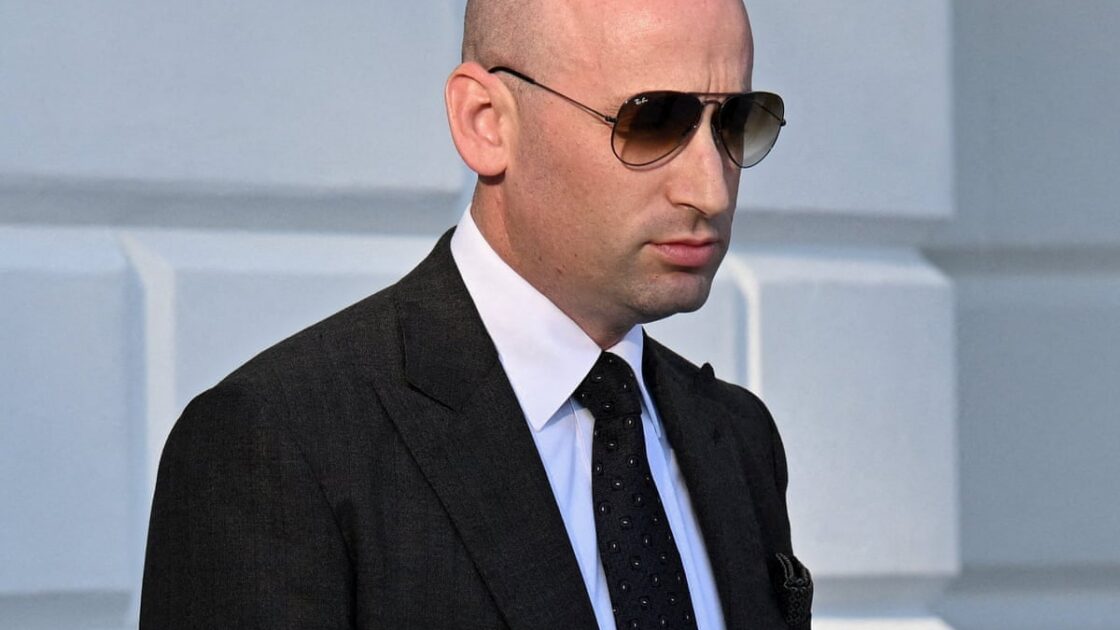
Donald Trump has named Stephen Miller as White House chief of staff, elevating the architect of his immigration agenda to one of the most powerful unelected positions in Washington. The appointment follows a significant defeat for Republicans in the midterm elections, signaling a shift toward increased reliance on unilateral executive action.
A Signal of Confrontation
Following a midterm election defeat that handed Democrats control of Congress, Donald Trump promoted 41-year-old Stephen Miller from deputy chief of staff to replace Susie Wiles. Democratic adviser Kurt Bardella stated that anointing Miller to this powerful post indicates an intention to double down on authoritarianism, executive orders, and the stress testing of checks and balances.
Throughout his time in office, Donald Trump has signed 292 executive orders, bypassing Congress on military action and tariffs while deploying the National Guard against state wishes. With Democrats now controlling the House and Senate following a landslide midterm result, the incoming opposition plans to block the administration’s legislative agenda, creating a direct clash with Miller.
Focus on Immigration and Executive Power
Stephen Miller is widely known for driving immigration crackdowns, targeting an arrest target of 3,000 per day through Immigration and Customs Enforcement (ICE). While funding for ICE remains secured through the One Big Beautiful Bill Act, newly empowered Democratic House committees are expected to launch investigations, issue subpoenas, and scrutinize administration actions, Jeffrey Epstein files, and the department of government efficiency.
David Cohen, a political science professor at the University of Akron, stated that the appointment shows the White House is not seeking cooperation with Congress and instead favors a unitary presidency. Bill Galston, a senior fellow at the Brookings Institution, described the decision as a defiant gesture toward the American public following the electoral outcome.