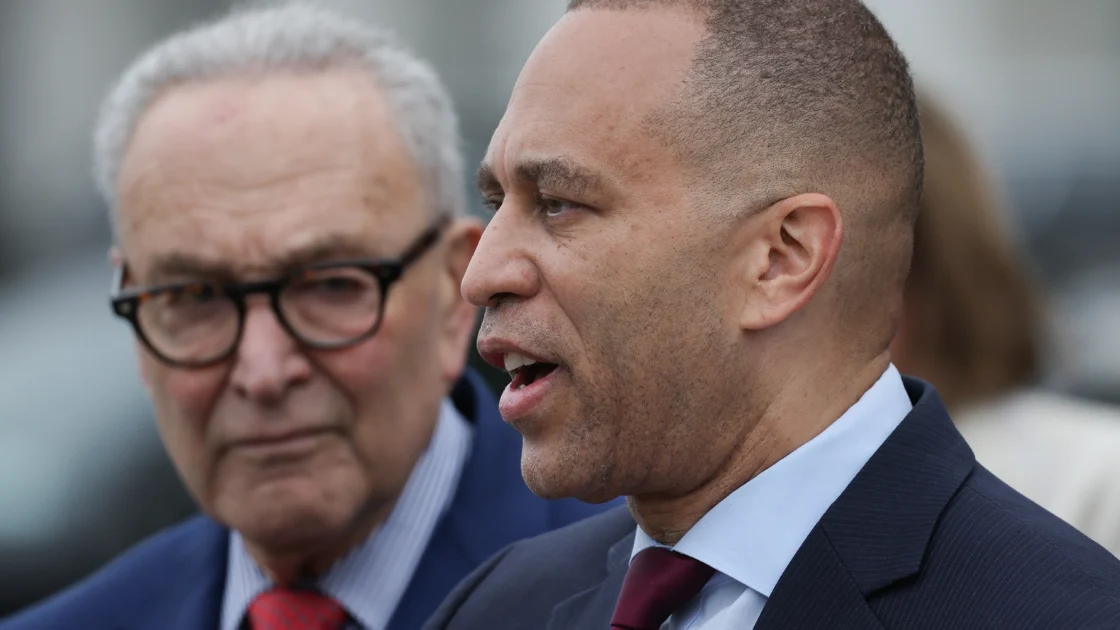
Following a sweeping set of midterm victories, congressional Democratic leaders say they recognize the public wants them to act quickly on affordability when they take control of both chambers of Congress in January. Presumptive House Speaker Hakeem Jeffries stated on Tuesday night that his party intends to fight to make the country affordable for every American in what he described as a change election.
Navigating Divided Government and Legislative Obstacles
Although Democrats will control the legislative branch, they lack a large enough majority to overturn a presidential veto and will likely face Republican filibusters in the Senate. Bobby Kogan, senior director of federal budget policy at the Center for American Progress, noted that while real obstacles exist, it does not mean nothing can happen. Matt Bennett of Third Way warned that these limitations create potential for voter disappointment if expectations are not managed properly.
Controlling both chambers grants Democrats the power to decide which bills reach the floor for a vote, allowing them to force votes on popular issues. Kogan pointed to past legislative strategies, such as bypassing leadership to force a vote on releasing Epstein files, as an example of how Democrats can bring popular measures forward. Historically, this strategy worked in 2006 when newly empowered Democrats successfully pushed to raise the minimum wage, which was then signed by Republican President George W. Bush.
Democrats have signaled plans to introduce legislation helping Americans with health care costs, restoring enhanced premium tax credits, and undoing Medicaid cuts. Furthermore, the party can utilize budget reconciliation to pass specific budget-related bills with a simple majority, bypassing Senate filibusters. Massachusetts Senator Elizabeth Warren has called on her party to use reconciliation to reverse Republican health care cuts and fund universal child care.
Embracing Presidential Vetoes and Confronting Foreign Policy Challenges
President Trump has sent mixed signals regarding divided government, suggesting he will veto everything while also leaving room for potential deals. Congressional Democrats are pushing back against the idea that a veto serves as a deterrent, viewing it instead as an opportunity to showcase contrast. Senator Kirsten Gillibrand challenged the president to veto bipartisan legislation aimed at restoring healthcare or lowering medicine prices, arguing it would benefit Democrats ahead of the 2028 election.
Molly Reynolds, a Congress expert at Brookings, suggested Democrats could pass legislation addressing tariff effects and dare the president to veto it. Lindsay Owens, president of the Groundwork Collaborative, emphasized that voters want to see action rather than discussions about limitations. Representative Brad Schneider, D-Ill., added that constant communication is vital to ensure voters understand what the party is attempting to achieve despite potential roadblocks.
Regarding fuel costs, lawmakers acknowledge that a change in legislative power will not immediately lower prices, which are tied to global oil markets. Democrats plan to reassert legislative authority over tariffs and introduce war powers resolutions to force an end to the Iran war, which has impacted fuel prices. Jeffries noted that the president would have to address a strong war powers resolution directly, though alternative options include using appropriations bills to prohibit funding for military operations in Iran.