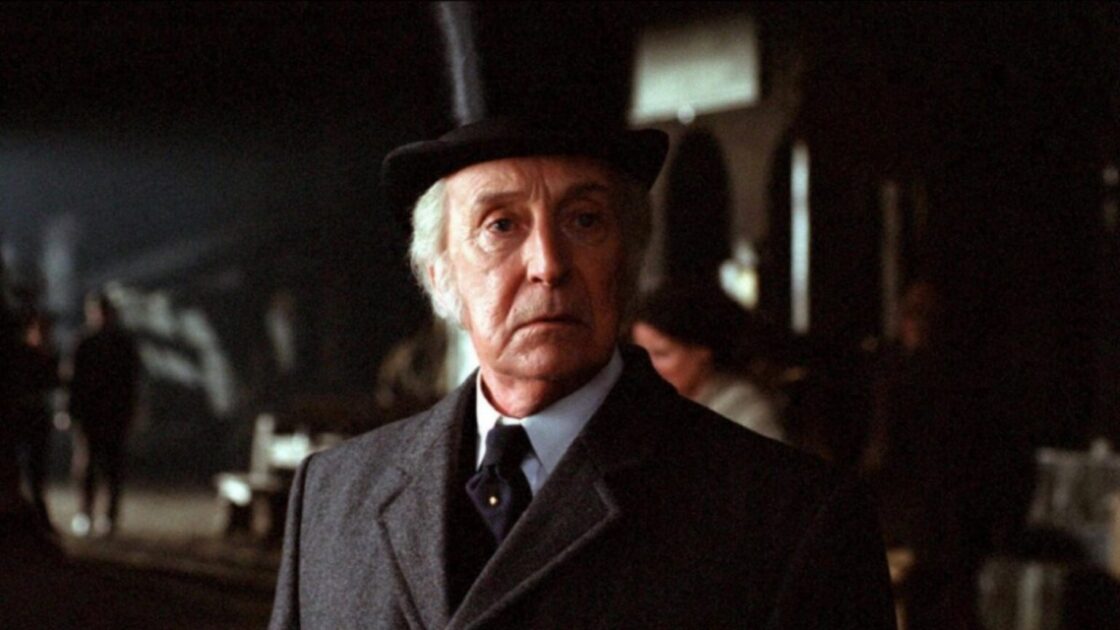
Sir Arthur Conan Doyle created one of the most enduring figures in detective fiction with Sherlock Holmes, but far fewer readers are familiar with the real-life figure who inspired the iconic sleuth. Dr. Joseph Bell, a prominent 19th-century surgeon at the University of Edinburgh, taught Doyle during the author’s time as a medical student and served as the primary model for Holmes’ genius deduction techniques.
The Medical Sleuth of Edinburgh
Medical historian Lindsey Fitzharris examines Bell’s life in her biography, Sleuth-Hound: The Case of the Real Sherlock Holmes. Set in 19th-century Edinburgh—an era defined by body snatching and the groundbreaking discovery of ether—the book details how Bell developed a unique method of diagnosis. By simply observing patients, Bell could infer their occupations, personal routines, and underlying health conditions. In one notable instance, Bell determined the exact route a patient walked to the infirmary by recognizing the specific clay clinging to the man’s boots, a detail Doyle later incorporated into his novel The Sign of the Four. Bell also applied his analytical skills outside the hospital, collaborating with local police surgeons on notable murder cases of his era.
A Focus on Medical History
Fitzharris, a science communicator with a focus on historical medicine, previously published The Butchering Art in 2017, which focused on surgical pioneer Joseph Lister, followed by her 2022 book The Facemaker, which documented World War I surgeon Harold Gillies and his facial reconstruction work. Her career also includes hosting the 2020 Smithsonian Channel series The Curious Life and Death Of…—where she analyzed famous deaths such as those of Harry Houdini and Pablo Escobar—and co-authoring the illustrated children’s book Dead Ends! Flukes, Flops, and Failures that Sparked Medical Marvels with her husband, caricaturist Adrian Teal.
In an interview with Ars Technica, Fitzharris noted that while a 1982 book by Ely Liebow introduced Bell to enthusiasts of Sherlock Holmes, no major mainstream publication had yet examined his life from a medical history perspective. “I’ve known about Bell because I’m a medical historian and I knew that he was an inspiration for this character, but nobody had written a big commercial book on him,” Fitzharris told Ars Technica, explaining her motivation to apply a medical history lens to Bell’s legacy.