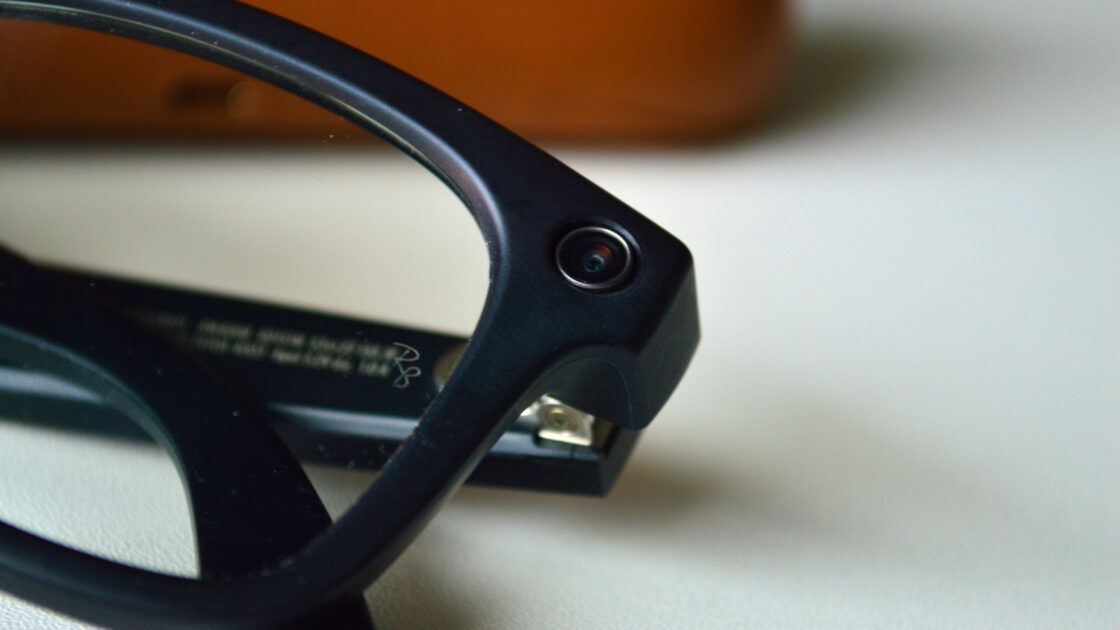
Artificial intelligence-powered smart glasses are rising in popularity while also facing privacy controversies, leaving many daily glasses wearers wondering if they can swap their traditional frames for tech-infused lenses. While obtaining prescription lenses for AI glasses is entirely possible, potential buyers must weigh important factors such as added weight, battery limitations, and growing public restrictions.
Prescription Lenses and Physical Drawbacks
Most AI-powered smart glasses closely resemble standard eyewear, allowing manufacturers to fit them with prescription lenses. Ray-Ban, for instance, enables customers to upload their eye prescription directly so they can receive their Meta smart glasses with the correct lenses already installed.
However, physical factors present notable challenges for all-day use. While traditional glasses typically weigh between 20 and 30 grams, smart glasses can reach up to 80 grams, creating noticeable fatigue when worn continuously throughout the day. Furthermore, the batteries in AI glasses generally last between three and five hours. Heavy daily use means users will frequently need to recharge them, losing access to AI functions once the power runs out.
Privacy Concerns and Public Restrictions
Beyond weight and battery life, privacy issues represent a major hurdle for daily wearers. Although wearing AI glasses in public is not illegal, an increasing number of locations have banned them. Courts in England and Wales prohibited Meta glasses from courtrooms, and New York implemented a similar ban in July, while numerous schools worldwide have banned students from wearing them in class. When smart glasses serve as a person’s sole vision correction, facing entry bans creates a significant inconvenience.
Corporate environments have also increasingly restricted these devices, primarily due to concerns over integrated cameras and microphones. Real-time translation tools can potentially transmit confidential conversations to third-party servers. Meta has previously faced scrutiny regarding human reviewers accessing intimate photos and videos captured by its AI glasses, which the company defended by stating content is sometimes reviewed by humans to improve product experiences.
Social pressures further complicate daily usage, with negative public sentiment causing some users to abandon wearing AI glasses in public out of concern for how others perceive them. These technical, privacy, and social hurdles mean that despite prescription availability, AI glasses remain an imperfect substitute for standard everyday eyewear.