Table of Contents
Recent weeks have brought a wave of major system disruptions across the United States, ranging from email outages and online banking issues to grounded air travel and system failures affecting companies like Microsoft and Delta. With legacy systems struggling with updates and AI tools acting unpredictably, experts advise preparing for potential future outages. As governments worldwide recommend keeping basic emergency supplies, households are urged to prepare without panicking.
Preparing for Internet and Cell Outages
Short-term internet and cell service outages frequently occur, and people often manage them by waiting, resetting home routers, or using alternate devices. According to reports cited by CNET, platforms like Downdetector can help users check if others are experiencing the same issue by displaying the volume of filed outage reports.
Cell service disruptions often affect only one major provider, meaning a backup mobile device, tablet, or internet hotspot using a different network can provide a reliable alternative. However, extended internet outages present greater challenges.
Chris Reynolds, an emergency management professor and expert from American Military University, told CNET that relying entirely on digital records stored in the cloud requires caution. He recommends keeping offline versions or paper copies of important documents and emergency phone numbers. Additionally, maintaining a modest amount of cash is advised because sustained internet failures can disrupt digital payment systems.
Managing Power Blackouts
While recent disruptions have not included a widespread electricity blackout, experts note that such an event remains a possibility. Preparation for a power loss follows similar guidelines to winter storms or summer grid strain, requiring portable chargers for mobile phones, flashlights, extra batteries, food, water, and first aid kits.
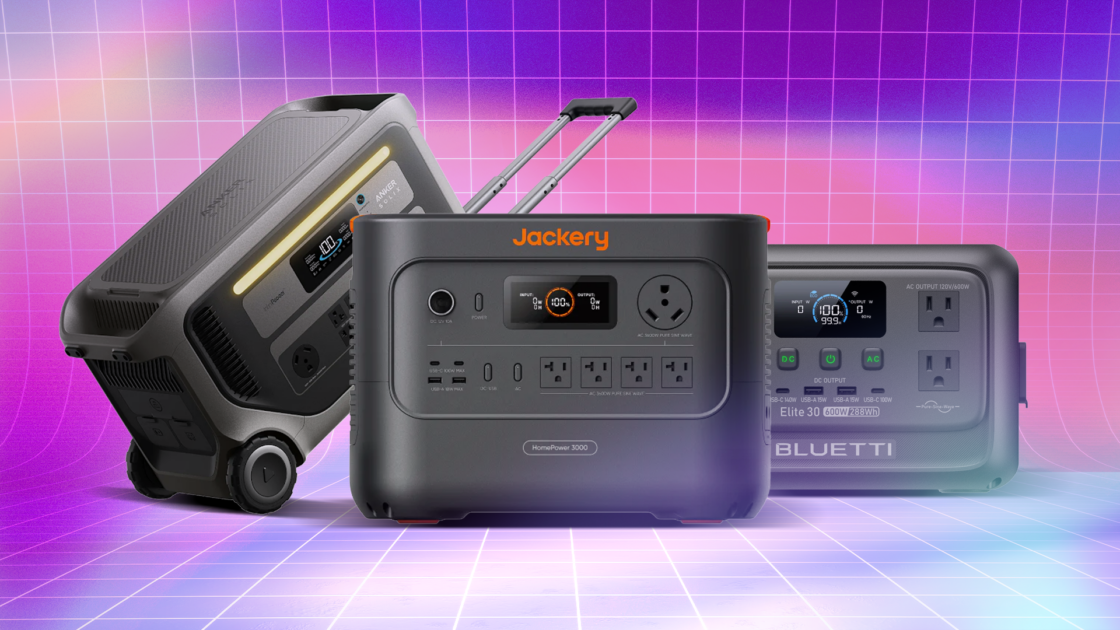
An uninterruptible power supply, or UPS, is essential for protecting sensitive data devices such as computers and backup drives. Portable power stations capable of running large appliances, car jump-starters, and hand-crank radios are also recommended supplies.
Families with medical needs, such as individuals using home ventilators or refrigerated medications like insulin, should consult healthcare providers for a specific backup plan rather than relying on portable generators to power medical devices. Gas-powered portable generators also pose a carbon monoxide risk and must never be operated indoors or in enclosed spaces.
Handling Water, Sewage, and Gas Disruption
Utilities are increasingly targeted by hackers, and any loss of water or gas service requires contacting the utility provider to determine the scale and duration of the problem. Water disruptions may require boiling water before consumption, shutting off the home’s main water valve to prevent burst pipes, and avoiding toilet flushes during wastewater system failures.
A gas outage simply halts supply, but a hissing sound or a rotten-egg odor indicates a dangerous gas leak, requiring individuals to call for help from a safe distance if utility workers cannot be reached.
General Emergency Supplies and Planning
Stocking shelf-stable items helps sustain families through extended service disruptions, though Reynolds emphasized that preparation is about finite sustainability rather than hoarding. Essential items include one gallon of water per person per day for at least three days, with two weeks serving as a safer target, alongside shelf-stable food, manual can openers, flashlights, weather radios, power banks, and first aid supplies.
Families should also establish a predetermined meeting spot to reconnect in case they are separated during an emergency when communication lines are down. Additional guidelines and supply list details are available through Ready.gov.