Table of Contents
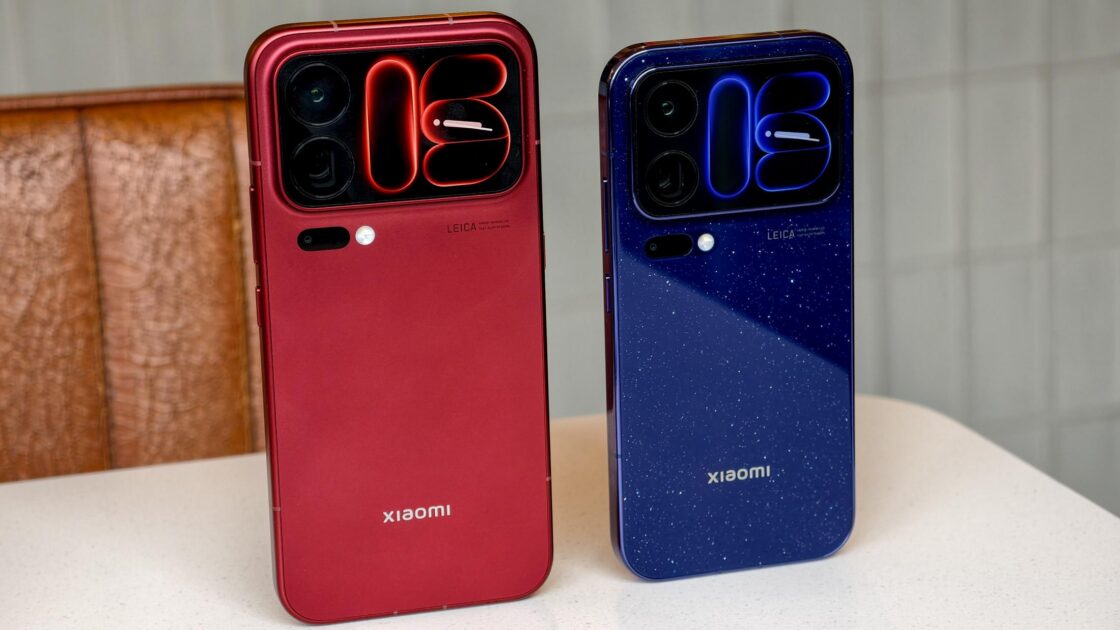
Xiaomi has brought a secondary screen to its flagship smartphone lineup with the new Xiaomi 18 Pro and Pro Max, marking the company’s first international release featuring a rear display since the Mi 11 Ultra in 2021. Priced to compete directly with Apple’s iPhone Pro models in the UK and Europe, the Pro costs £1,199 (approximately $1,570) while the Pro Max is priced at £1,399 (around $1,830).
Design and Display Features
The standard Pro features a 6.4-inch main display, whereas the Pro Max comes with a 6.9-inch screen. Both models incorporate a secondary 2.7-inch to 2.9-inch display on the back, wrapping around the two primary camera lenses in a manner reminiscent of the front screens found on foldable devices. Users can display interactive wallpapers, view playback controls for audio, and check notifications. However, the notification implementation is limited because app icons appear too large to allow much text, interactive quick replies are unavailable, and users cannot view a running list of missed alerts.
Instead of running full applications or accessing settings from the rear screen, users can utilize a natural-language AI tool powered by Google’s Gemini 4 Argon to create simple local tools and games. These created mini-apps remain isolated without internet connectivity or access to other phone applications. The secondary display proves most practical as a camera viewfinder, enabling users to shoot photos, record videos, and capture picture-set styles using the main rear sensor.
Performance and Camera Capabilities
Both devices run on Qualcomm Snapdragon 8 Elite Gen 6 processors, with the Pro Max utilizing the Extreme version. Battery capacities differ as well, offering 6,000mAh on the Pro and 7,050mAh on the Pro Max, alongside 100W wired charging on the larger model. Both flagships comfortably last a full day, though their battery longevity trails behind recent competitors from Oppo and Vivo.
The camera system features 200-megapixel main and telephoto sensors developed in partnership with Leica, offering Vibrant and Authentic modes alongside a new Xiaomi Original setting and an AI-driven Essential Moments retro aesthetic mode. The Pro Max features a LOFIC main sensor providing an expanded 16-stop dynamic range for improved highlight capture in complex lighting. Conversely, the ultrawide lens is positioned low on the body, frequently blocked by fingers, and delivers lower image quality with limited extra width.
Privacy Display and Overall Value
The devices also include a privacy display feature inspired by Samsung, which alters pixel viewing angles to obscure the screen from side gazes. Xiaomi’s iteration improves upon Samsung’s approach by supporting split-screen and floating windows so that privacy filtering applies solely to specific apps and their related notifications without impacting other open applications.
Ultimately, while the Xiaomi 18 Pro and Pro Max offer solid performance, strong main cameras, and flexible privacy controls, drawbacks such as weaker battery life than rivals and an underwhelming ultrawide lens raise questions about the compromises required to accommodate the expensive secondary rear screen.