Initial laboratory results show that the controlled detonation of five tonnes of hazardous lead azide in southeast Iowa has not triggered an increase in heavy metal levels within local drinking water sources, the US Environmental Protection Agency (EPA) reported.
Detonation and Testing Process
The EPA published its measurements online on a Saturday, three days after United States Army engineers destroyed nearly five tonnes, or 4,500 kilograms, of volatile lead azide contained within 68 deteriorating plastic barrels. The planned demolition took place via two simultaneous blasts at an army munitions facility situated in Middletown, Iowa, a small farming community located approximately 150 miles southwest of Des Moines.
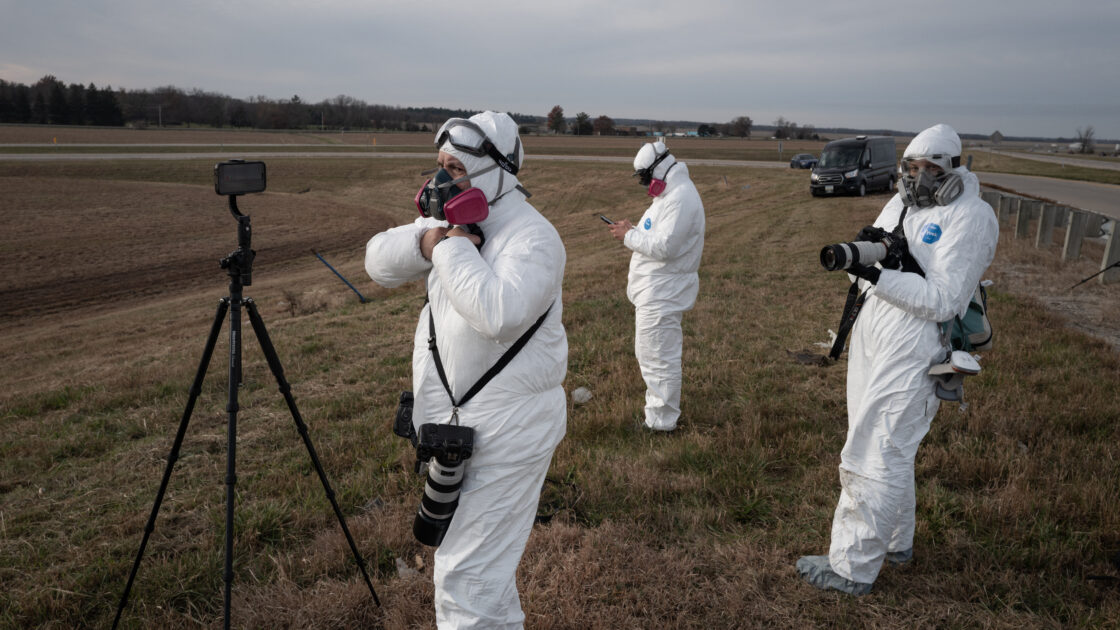
The agency stated that approximately 300 personnel collected samples at educational facilities, playgrounds, places of worship, and residences throughout the area on Thursday. Teams gathered more than 1,500 samples of air, water, soil, and dust prior to the explosion, followed by hundreds of additional samples afterward from residential areas, parks, and water supplies.
According to an EPA post on X, the agency tracked airborne lead levels for 30 straight hours following the blast using the Xact air monitoring system, promising further updates as laboratory results return and undergo validation for more than 3,200 air, soil, dust, and water samples.
Public Concerns and Safety Rationale
Lead poses severe health risks, particularly to young children and pregnant women, and does not degrade once it settles in the environment. Army leadership explained that executing an immediate controlled detonation was the safest choice because the stockpile was degrading and faced a heightened risk of spontaneous explosion as temperatures dropped.
Despite the safety rationale, the operation triggered widespread anxiety regarding potential environmental pollution, alongside criticism regarding the timing and manner of federal communications. Local residents and several elected officials rebuked the army for lacking transparency and failing to provide adequate notice upon discovering that the munitions were unstable.
While residents of Middletown were informed of the operation, few people outside the immediate town received warning, and alerts largely failed to reach lawmakers and the general public until shortly before the blast occurred.
Independent specialists praised the initial air quality findings released after the explosion but cautioned that atmospheric testing has limited effectiveness. They noted that definitive evidence of lead fallout will rely on thorough testing of water, soil, and building surfaces, which requires more time to analyze.