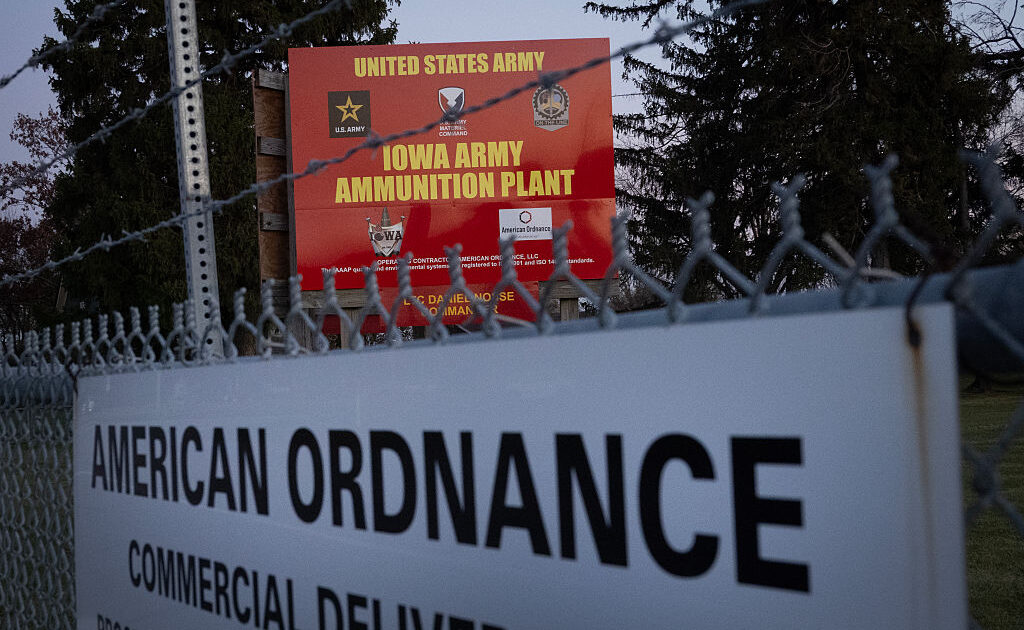
The US Army announced Thursday that it would delay a plan to blow up 68 deteriorating barrels of lead azide, a decision that followed widespread questions, fears, and outrage over potential toxic gas and lead emissions. A federal appeals court further halted the plans later on Thursday with an emergency order. Modeling released by the Army indicated that the resulting plume containing neurotoxic lead could potentially drift 100 miles north of the installation in Middletown, Iowa.
Detonation Plans and Public Communication
The Army had initially scheduled two controlled detonations to occur simultaneously around noon on Friday, aiming to destroy the barrels inside earth-covered concrete containment structures known as earth-covered magazines, or ECMs. Before the court issued its stay, the Army pushed the blast date back to November 23 to allow more time for communication with local residents, many of whom reported knowing nothing about the detonations until earlier in the week.
Acting Secretary of the Army Adam Telle stated on social media that public communication is essential for maintaining public trust. He noted that the Army would maintain active engagement with regional state and local officials to ensure the distribution of accurate and up-to-date information.
Deterioration and Hazardous Conditions
Telle explained that the Army could not push the detonation past Monday due to the severely degraded state of the compound, which remains extremely sensitive and explosive. He added that the delay pushes the operation to the latest possible moment before a forecasted temperature drop that could risk further destabilizing the material.
Lead azide serves as a detonator compound for munitions and is part of the US military stockpile. In March, the US Army discovered that the stockpile at the Iowa Army Ammunition Plant had deteriorated. Stored in water and alcohol mixtures within the ECMs, the roughly 9,700 pounds of lead azide across 68 barrels has degraded and crystallized over time, transforming into needles or platelets through temperature fluctuations that make it highly sensitive to physical shock, friction, or heat. The Army classified this current state as a catastrophically hazardous condition.