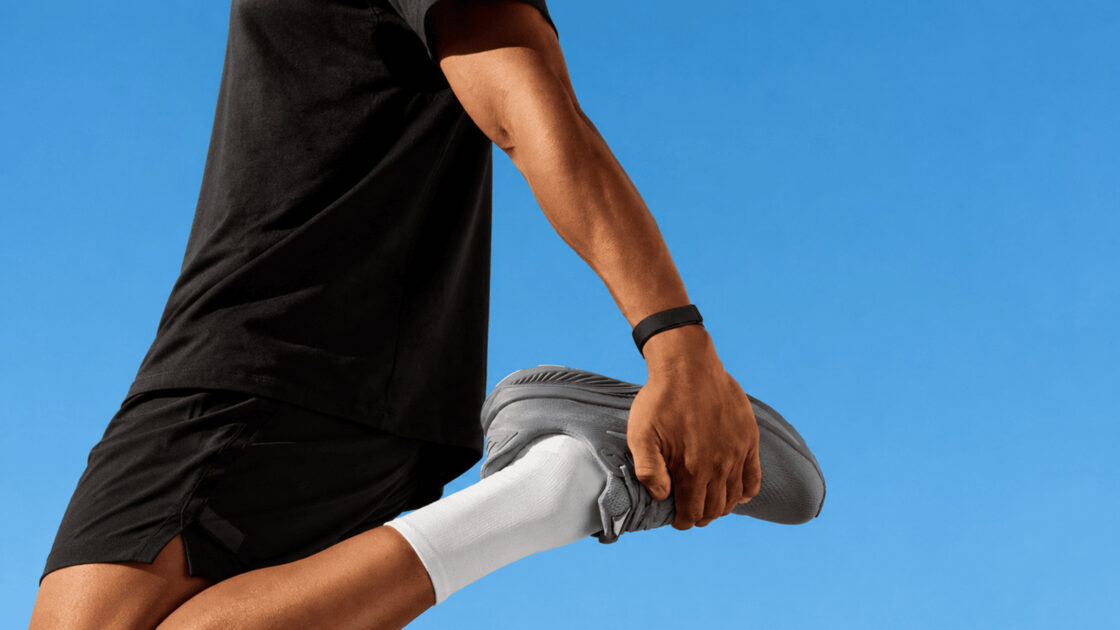
Wearing a Fitbit on your ankle can capture steps that a wrist-worn device misses during activities with limited arm movement. However, this unconventional placement can negatively impact other health metrics such as heart rate and sleep tracking.
Why Ankle Placement Helps
Fitbit trackers rely on accelerometers and arm movement to measure data, which often leads to missed steps while pushing a stroller, holding treadmill rails, or typing at a walking desk. Placing the tracker on the ankle positions the motion sensor closer to the feet to measure leg movement directly, while also keeping wrists free for those with workplace bans or a dislike of wrist-wear.
A 2025 study involving 11 healthy adults using assistive devices found that hip and ankle placements had a combined average step-count error of 1.5 percent, whereas wrist readings proved substantially less reliable. The concept of foot-based tracking is not entirely new, as the Moov Now was specifically designed for ankle wear back in 2015.
What You Give Up
Ankle placement can misinterpret stationary activities, such as logging 1,510 steps during a 30-minute stationary bike session compared to 180 steps on the wrist. Furthermore, a nighttime ankle test failed to record sleep data.
Heart-rate monitoring may also suffer because Fitbit’s optical sensors are calibrated for the wrist, and Google has not established comparable accuracy for the ankle. During one recent experiment, an ankle-worn Fitbit recorded a heart-rate peak of 182 beats per minute, while a wrist-worn Pixel Watch 4 measured a 129 bpm maximum during the same walk, though subsequent walks did not repeat the spike.
Standard wristbands are often too short for ankles, requiring aftermarket straps that cost extra and risk rubbing against socks or shoes. While checking notifications becomes difficult, users wanting a free wrist can alternatively use an official clothing clip for the Fitbit Inspire 3, which lacks heart-rate tracking, Active Zone Minutes, and automatic exercise tracking.