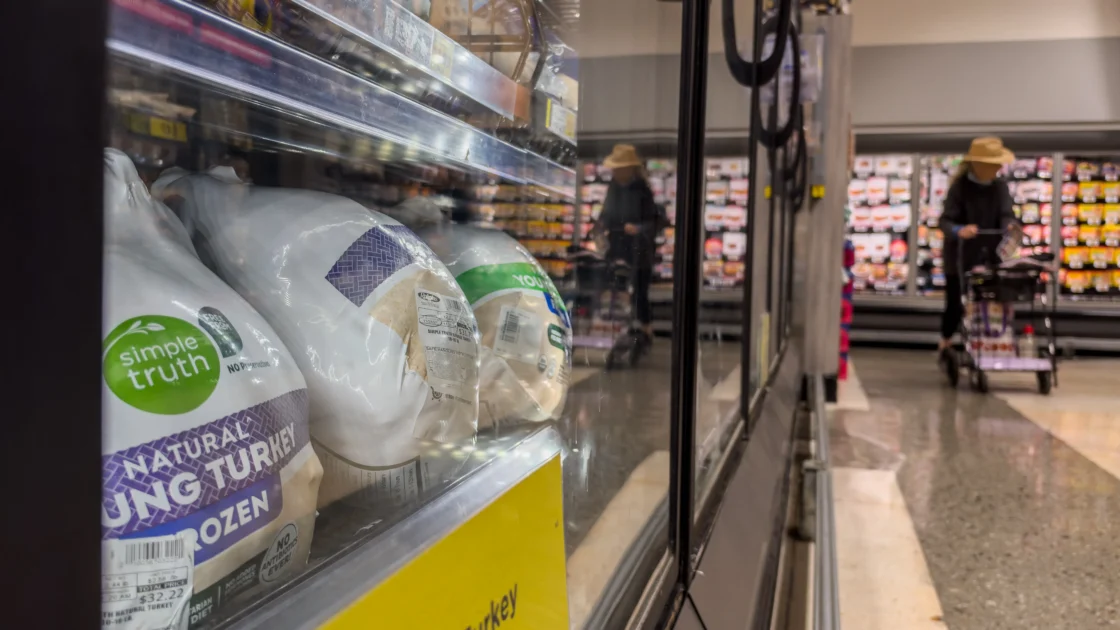
Shoppers preparing for Thanksgiving dinner face mixed economic forecasts as food prices remain high following years of steep inflation. While grocery expenses have climbed significantly over the past five years due to various global pressures, experts disagree on whether the traditional holiday meal will cost more or less than last year.
Conflicting Forecasts on Meal Prices
Federal data shows that grocery costs have increased by nearly 22% over the last five years. Factors such as international conflicts, tariffs implemented during the Trump administration, and severe worldwide weather have contributed to the rising price of food.
Organizations tracking holiday expenses have reached different conclusions about this year’s total bill. The American Farm Bureau Federation projects that the cost of Thanksgiving will increase by more than 6% compared to last year, driven by higher prices for staples like cranberries and dinner rolls. Conversely, the Wells Fargo Agri-Food Institute determined that the average Thanksgiving bill may be slightly lower than last year thanks to retail sales and promotions, even though beverages like wine and sparkling water have gone up.
Michael Swanson, chief agricultural economist at Wells Fargo, noted that keeping costs down requires careful attention. “You get the turkey at a great price, but then you might throw a bunch of stuff in the cart you didn’t look at that carefully and find out you spent more money than you intended to,” he stated.
Impact on Holiday Traditions and Consumer Behavior
Economic concerns are altering how many Americans celebrate the holiday. A survey conducted by the website LendingTree revealed that 53% of participants feel inflation is impacting their holiday plans or expected spending.
Matt Schulz, chief consumer finance analyst at LendingTree, explained that consumers are adjusting their habits. “They’re doing everything from changing their food choices to couponing more and even cutting back on guests,” he said. The same survey indicated that 51% of respondents plan to host company this year, marking a decrease from 59% the previous year.
Despite the financial strain, many shoppers remain determined to maintain their holiday traditions. Andre Andrews, a retired resident of Philadelphia, noted that prices are considerably higher than before. Even though his turkey and roast cost him more this year, Andrews still intends to prepare them for the holiday celebration. Schulz advised that hosts can manage expenses by establishing a budget, comparing prices at different stores, and simplifying their menus.
“Nobody wants to cut back on something as meaningful as a gathering of family and friends on Thanksgiving because it costs too much, but that’s what a lot of people are facing right now,” Schulz concluded.