British maritime authorities have reported two incidents involving tankers struck by unidentified projectiles in the Strait of Hormuz. The developments come as Iran continues to restrict commercial shipping through the critical waterway.
Incidents Reported Near Oman
The incidents occurred on Saturday near Oman, taking place during an ongoing conflict involving Tehran, Washington, and Tel Aviv that began with US and Israeli strikes on Iran in late February. Tehran has subsequently sought to tighten its control over the strait, a crucial passage that handled nearly a fifth of global crude oil supplies prior to the war.
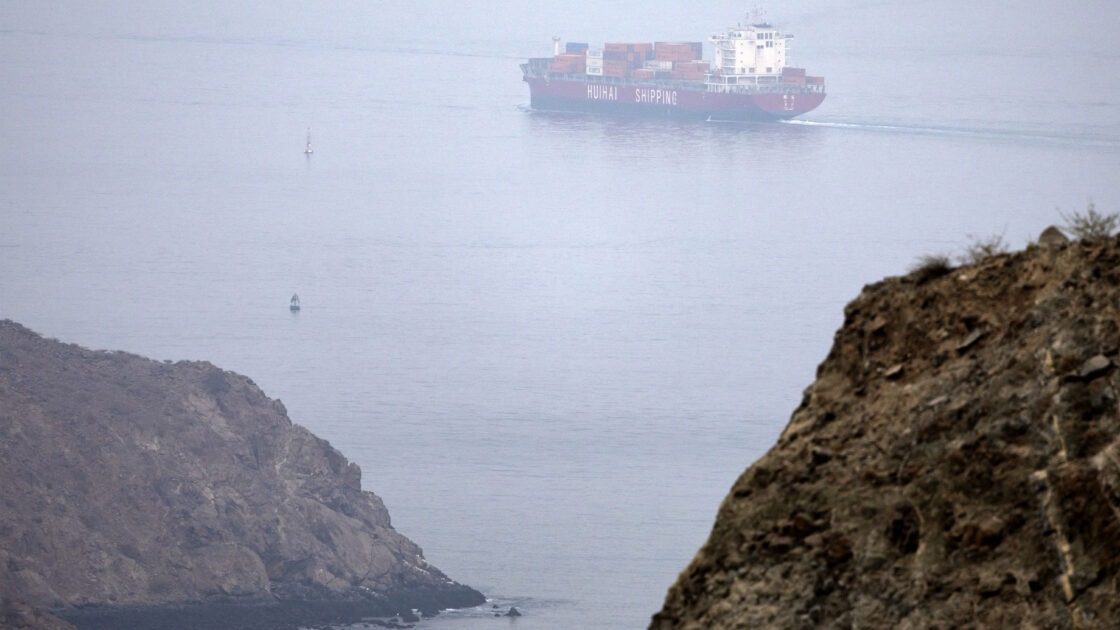
According to the United Kingdom Maritime Trade Operations (UKMTO) centre, a British agency monitoring threats to commercial shipping, one tanker was hit at its rear approximately 20km north of Khasab, an Omani port town. A second tanker sustained a strike in its engine room about 31km east of Khasab. While no casualties were reported, authorities noted it remained unclear if the two reports involved separate vessels.
Meanwhile, the Iranian navy stated on Saturday that an oil tanker caught fire after striking a naval mine within a restricted zone east of the strait. In a statement broadcast by Iranian state television, the navy alleged that the vessel ignored warnings and navigated with its identification and navigation systems turned off. This Iranian account could not be independently verified, and it remained uncertain whether the burning tanker was linked to either incident logged by the UKMTO.
Rising Tensions and Iranian Control
Al Jazeera’s correspondent in Tehran, Resul Serdar, reported that incidents involving tankers have surged significantly over the past week. Drawing on statements from Iran’s armed forces, Serdar noted that roughly 25 incidents had occurred since the previous Saturday, averaging about three per day, a trend he characterized as quite dramatic.
Serdar described the situation as an emerging pattern, stating that Iranian authorities maintain that the Strait of Hormuz is under their control. He explained that any vessel transiting the strait must coordinate fully with Tehran and adhere to designated shipping lanes. According to Serdar, Iran warns that non-compliant ships risk being attacked or striking sea mines deployed by the Islamic Revolutionary Guard Corps or other Iranian forces.
Serdar added that Tehran is intentionally escalating tensions to deliver a message that if Iran is barred from exporting its oil, other nations will face similar disruptions. Furthermore, the escalation aims to demonstrate that Iran retains dominance over the narrow passage linking the Persian Gulf to international maritime routes.
In response to the Iranian restrictions, the United States has blockaded Iranian ports and deployed naval assets to escort tankers through the channel. The ongoing standoff has intensified worries regarding the safety of a primary artery for international energy transportation, leaving commercial ships caught in the broader geopolitical struggle between Washington and Tehran over access to the strait.