Table of Contents
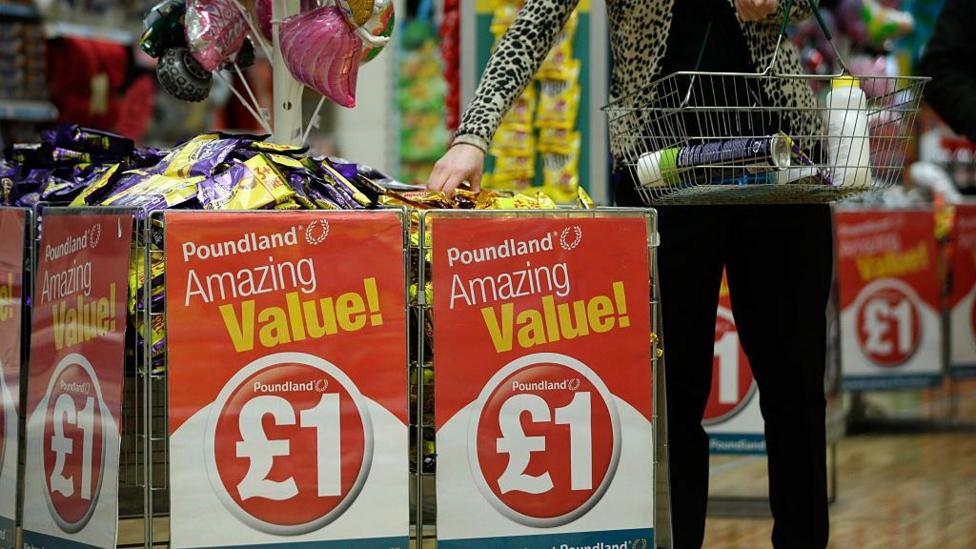
Discount retailer Poundland has entered administration, putting the jobs of its 11,000 employees in jeopardy right before Christmas. The company has appointed consultancy Alix Partners to handle a potential sale of the business either in whole or in parts, raising significant uncertainty about its future.
When will Poundland shops close?
Poundland stores will stay open as usual for the time being, as the administration serves as a reset for the sales process. Administrators are aiming to either sell the company entirely or break it up, with a break-up considered the more probable outcome.
Before the collapse, the Irish property firm Martin Property Group had submitted an offer, though a source indicated they are now unlikely to make a new bid due to the brand damage caused by the administration. Meanwhile, Fortress—owner of rival chain Poundstretcher—had previously expressed interest in acquiring roughly 200 stores to keep them operating under the Poundland brand. However, Fortress’s current stance remains unclear, as BBC News understands they are weighing the sale of Poundstretcher, a development first reported by Bloomberg. Fortress declined to comment on the matter, and a decision regarding Poundstretcher could emerge before the end of the week.
Why is Poundland closing down?
Perspectives on the collapse vary widely depending on the source. When Pepco sold the chain last year for £1, it was struggling and posted a £68m loss that year. According to managing director Barry Williams, however, Poundland had experienced a strong recovery and achieved a profit on one measure during the first nine months of this year.
Poundland’s management describes a retailer that was turning around until its owner, US investment firm Gordon Brothers, stopped funding day-to-day operations like purchasing stock. The Usdaw union contends that the owners forced the company into administration. Labour MP Antonia Bance stated she was appalled by Gordon Brothers’ recent conduct, arguing they stand to gain much larger profits by breaking up the business rather than preserving it. Conversely, Gordon Brothers maintained that the business only showed a profit on paper and missed budget targets.
A Gordon Brothers spokeswoman explained that although management cut costs by £100m, the company merely shifted from a £70m loss to approximately break-even. The spokeswoman stated that break-even differs from generating the necessary cash to buy inventory, invest, and manage economic pressures, adding that a few strong weeks do not constitute a turnaround. Gordon Brothers feared that rising inflation next year would render the business unviable. Begbies Traynor managing partner Julie Palmer noted that the collapse felt inevitable amid broader retail challenges, including rising staff employment costs.
What will happen to staff?
Stores remain operational while administrators evaluate the viability of the business. Administrators have now released the funds previously locked up by Gordon Brothers, which totalled approximately £70m at the last count. This release enables staff and suppliers to continue receiving payments ahead of Christmas.
Nevertheless, administrators have a legal duty to maximise value for secured creditors, placing owners Gordon Brothers at the front of the queue to recover loans. If a break-up of the business yields higher value than a wholesale sale, administrators are obligated to pursue it, regardless of business viability. Should the stores be sold off in parts, new owners are under no obligation to retain existing staff.
Will shoppers still be able to buy from Poundland?
Shoppers can continue to make purchases in the short term. Starting on November 26, customers will no longer receive refunds for change-of-mind purchases, though faulty items remain eligible for refunds.
The immediate trigger for Poundland’s collapse was Gordon Brothers freezing funds designated for daily operations and supplier payments, which depleted store inventory. With those funds now unlocked, suppliers can be paid and supply chains restored temporarily. Any items currently on shelves remain available for purchase.
How will Poundland’s collapse change the High Street?
The impact on the High Street depends on the outcome of the administration process. Administrators must secure the best value for creditors, which could involve selling the entire business intact. Alternatively, breaking up the company could involve selling the brand separately from the stores, or combining the brand with select locations while selling other stores to different retailers.
These scenarios could reduce the number of discount stores on the High Street, leaving fewer incentives for other retailers to keep prices down. Speaking to BBC News on Thursday, Defence Secretary Wes Streeting stated that people rely on Poundland for bargains on the High Street, and given current cost-of-living challenges, the situation causes concern for the government. Affected customers may ultimately look to alternative budget retailers for bargains.