Table of Contents
Pakistan’s Climate Change Minister Musadik Masood Malik is scheduled to travel to India from November 20 to 22. He will attend the Shanghai Cooperation Organization (SCO) Civilizational Dialogue in New Delhi, marking the first visit by a Pakistani federal minister since the two nations engaged in a four-day military conflict last year.
Context of the visit
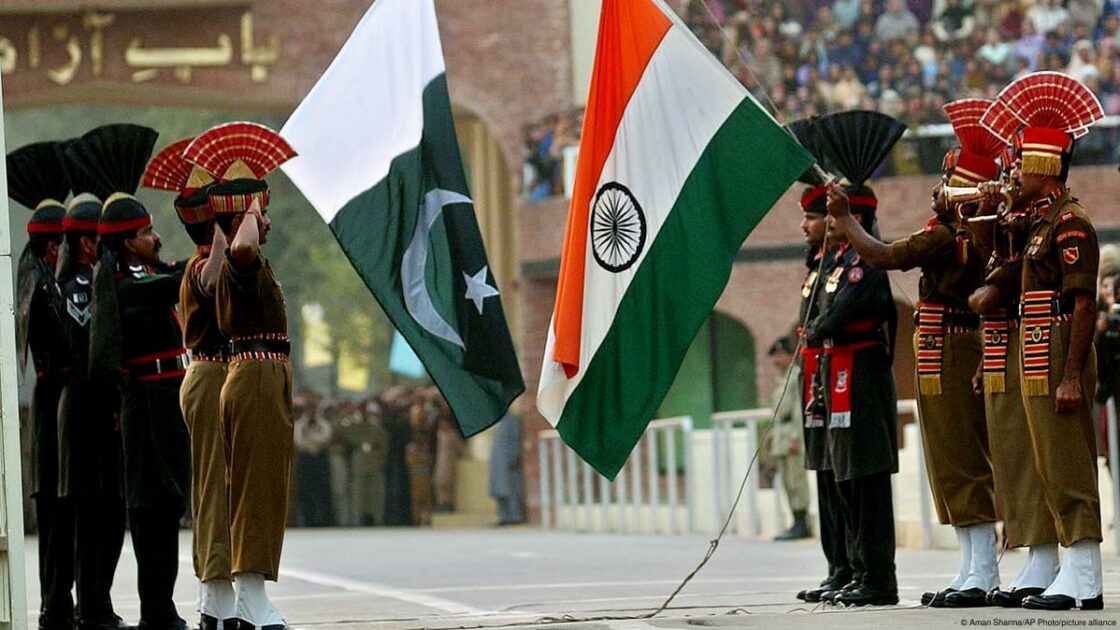
The military confrontation between the nuclear-armed neighbors occurred in April 2025, following an attack by armed gunmen that resulted in the deaths of over two dozen tourists in India-administered Kashmir. New Delhi attributed the violence to Islamabad, an allegation Pakistan has consistently denied. Diplomatic relations have remained strained since the incident, with limited official engagement between the two countries.
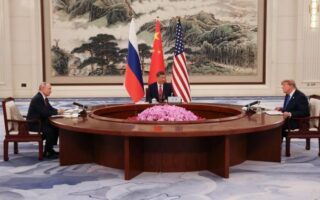
The upcoming dialogue was proposed by Indian Prime Minister Narendra Modi during the SCO summit held in Tianjin in September 2025. As the host of the forum, India extended invitations to all member states of the alliance, which includes Belarus, China, India, Iran, Kazakhstan, Kyrgyzstan, Pakistan, Russia, Tajikistan, and Uzbekistan.
Expert perspectives on diplomatic ties
Former Indian ambassador to Pakistan, Ajay Bisaria, told DW that the fact that both nations agreed to the engagement is a positive sign, though he warned against interpreting the visit as a diplomatic breakthrough. “The trigger was procedural. This forum grew out of Modi’s proposal at the 2025 SCO summit in Tianjin, and as host, New Delhi invited every SCO member. I see no evidence of a back channel or outside mediation, and I wouldn’t read much into that either way,” Bisaria stated.
Ayesha Siddiqa, a security affairs expert at King’s College London, told DW that Pakistan’s participation is largely driven by its role within the SCO. Pakistan currently chairs the SCO Council of Heads of State for 2026–27 and is slated to host the next leaders’ summit in Islamabad in August 2027. “The minister’s visit should therefore be seen primarily in the context of Pakistan fulfilling its commitments under the SCO Charter, rather than as a gesture towards India,” Siddiqa explained.
T C A Raghavan, another former Indian ambassador to Pakistan, echoed this sentiment in an interview with DW. He noted that while both countries value the SCO, the visit does not signal a shift in bilateral relations. “Islamabad is also being pragmatic in keeping channels open during its SCO chairmanship by participating in an initiative championed by Prime Minister Narendra Modi. There will be no real impact on the India-Pakistan bilateral,” Raghavan said.
Strained bilateral relations
India maintains that formal talks cannot proceed while terrorism remains an issue. A spokesperson for India’s Foreign Ministry, Randhir Jaiswal, stated in late October that the country’s policy toward Pakistan remains unchanged following the April 2025 attack. Meanwhile, Pakistan continues to emphasize concerns regarding Kashmir and the Indus Waters Treaty, which India placed in abeyance following the conflict.
Despite the lack of formal negotiations, informal communication persists through back-channel meetings involving retired military officers, former diplomats, and strategic experts. These unofficial exchanges aim to reduce the risk of miscalculation and maintain lines of communication. However, an assessment by the International Institute for Strategic Studies in November indicated that both governments remain hesitant to resume secret, formal talks.
Looking ahead, Bisaria characterized the minister’s visit as a modest step rather than a significant breakthrough. He noted that future progress depends on Pakistan’s actions, specifically regarding its stance on terrorism, which could influence whether Indian leaders choose to attend the SCO summit in Islamabad next year.