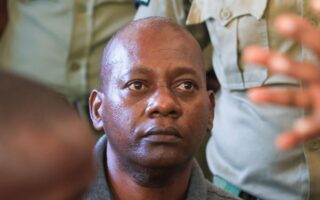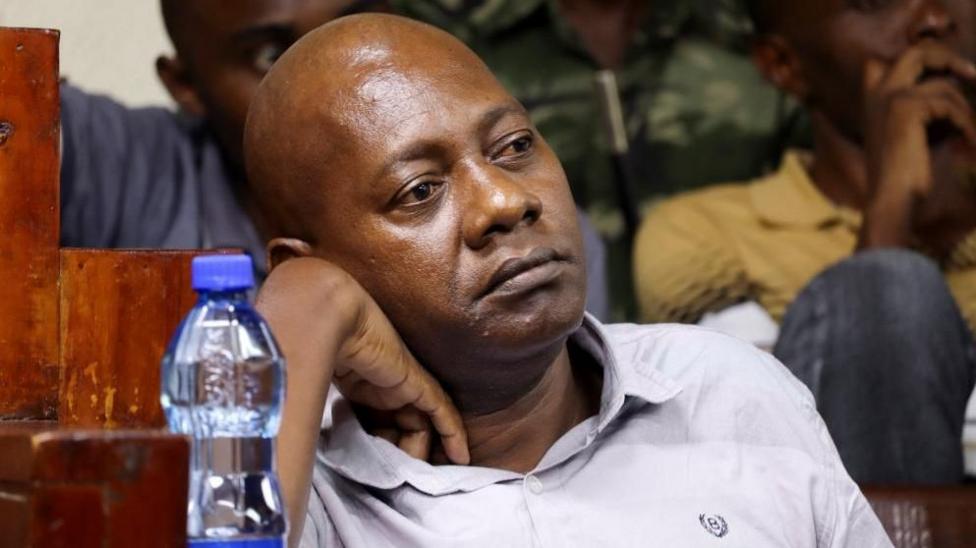
A Kenyan court has convicted the leader of a doomsday Christian cult of the manslaughter of 123 of his followers. Paul Mackenzie was found guilty in Mombasa of instructing adult followers to fast to death in the Shakahola forest near the coast between January 2021 and September 2023.
Conviction and Legal Proceedings
Earlier this month, Mackenzie received a 200-year prison sentence for murdering 191 people, nearly all of them children, in the same mass killing. Reuters news agency reported that Mackenzie had pleaded not guilty to manslaughter and one of his lawyers indicated plans to appeal the latest conviction following sentencing.
The court additionally convicted 29 other individuals, including Mackenzie’s wife, Rhoda Mumbua Maweu, for their roles in the manslaughter. Meanwhile, sixty defendants were acquitted, though the Director of Public Prosecutions stated that an appeal would be launched against those acquittals.
The Shakahola Forest Investigation
The self-styled pastor was originally detained in 2023 following the discovery of over 400 bodies buried in shallow graves. Kenya’s Office of the Director of Public Prosecutions released a statement regarding Friday’s verdict, describing it as the final conviction in the Shakahola cases against him, noting that the court found Mackenzie systematically persuaded followers to fast until death.
The prosecution’s office detailed the planned sequence of deaths, stating that children were to go first, followed by women and then men, with Mackenzie intending to die last. Prosecutors maintained that Mackenzie and his accomplices participated in a suicide pact to fast in order to meet Jesus. Witnesses stated that Mackenzie preached against education, medicine, and ornaments as sinful, while the earlier murder trial verdict noted that those opposing his teachings were beaten to death. The defendants maintained throughout the proceedings that the victims fasted voluntarily.
The tragedy prompted President William Ruto to establish a commission of inquiry to examine the lack of oversight regarding rogue religious activities, though the commission was later declared unconstitutional.