Table of Contents
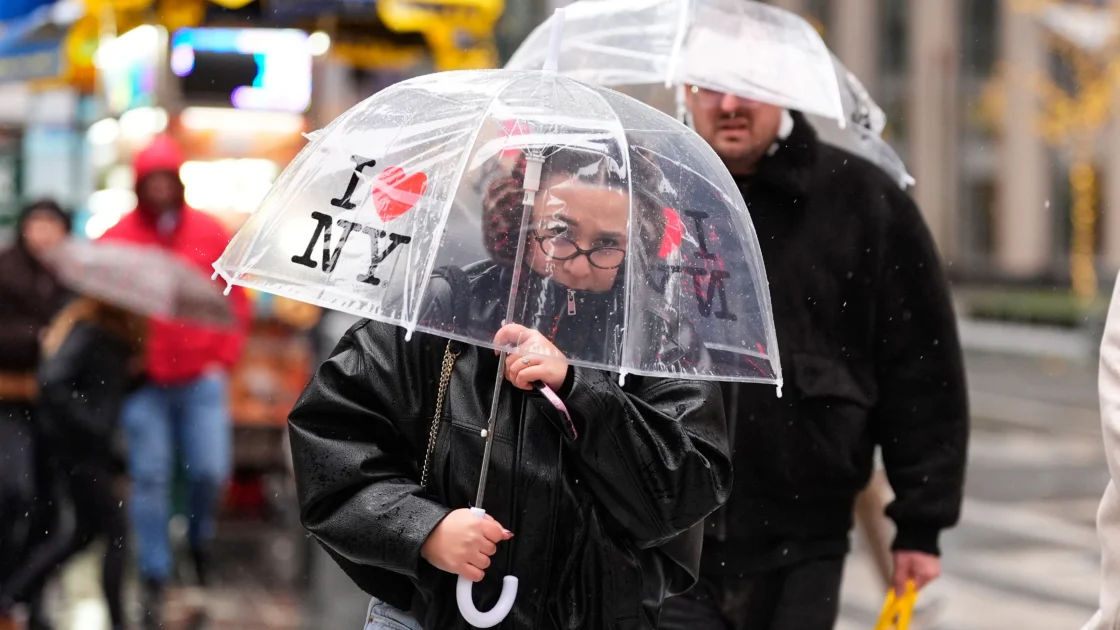
A massive storm stretching from the Midwest to Manhattan left almost a million people without power by Thanksgiving evening and severely disrupted holiday travel. Meanwhile, millions of shoppers kicked off Black Friday amid economic pressures, inflation, and high gas prices.
Travel Disruptions and Power Outages
More than 400 flights were cancelled and over 2,000 were delayed nationwide on Thursday during one of the busiest travel periods of the year. Driving conditions were hazardous due to heavy rains, snow, and ice. AAA estimated that roughly 81.5 million people would travel for the holiday between Thursday and Monday.
Power was partially restored early Friday, but at the peak of the outage, more than 980,000 residents in New York, Pennsylvania, New Jersey, and other states lost electricity. Missouri also experienced blackouts following heavy snowfall. Major flooding struck several regions, including Old Town Alexandria in Virginia and Atlantic City in New Jersey, where low-lying areas saw nearly two to three feet of water according to city authorities.
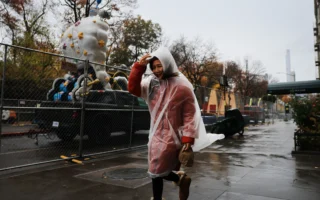
The National Weather Service issued a coastal flood warning for the Washington, D.C., area through Friday evening, cautioning that unprotected areas on the Southwest Waterfront at the DC Seafood Market would flood. On the West Coast, the Pacific Northwest and California faced King Tides and strong waves battering the Bay Area. A portion of the Pacifica Pier south of San Francisco collapsed on Wednesday, coastal roads flooded, and nearby homes were impacted. In New York City, Central Park recorded its wettest Thanksgiving ever with 1.82 inches of rain, followed by wind gusts up to 30 miles per hour on Friday.
Macy’s Parade Postponed Due to Wind
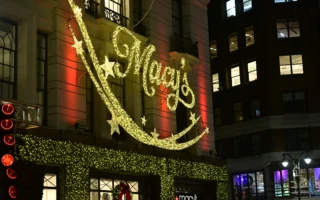
The annual Macy’s Thanksgiving Day Parade was postponed for the first time in its history and rescheduled for Saturday due to safety concerns over strong winds. While the parade has never been delayed previously, it was cancelled during several years of World War II. The postponement created logistical challenges for approximately 11,000 mostly volunteer participants, many of whom traveled from out of state, because high winds make it unsafe to fly the event’s giant balloons.
Past high winds have caused incidents, most notably in 1997 when a Cat in the Hat balloon struck a lamp post and injured a woman in the crowd. Weather has grounded parade balloons only once before, in 1971. Saturday’s event marks Macy’s 100th parade, featuring 100 balloons.
Will Coss, the parade’s executive producer, told NPR’s Morning Edition host A Martinez that the first parade in 1924 featured live animals that scared children more than organizers expected, prompting the switch to balloons. Each balloon takes four to six months to complete from beginning to end and is hand-drawn, Coss explained. This year’s lineup includes eight new giant balloons, such as Bluey, Hello Kitty, and Mickey Mouse from the Sorcerer’s Apprentice, alongside returning favorites like SpongeBob SquarePants, Spider-Man, and Felix the Cat, the parade’s first inflated character from 1927.
Black Friday Shopping and Consumer Trends
Americans are projected to spend more money on Black Friday than any other single day of the year, though inflation and high gas prices are shifting consumer habits. A survey of nearly 8,000 adult consumers indicated that shoppers are cutting back on discretionary spending to prioritize essential holiday expenses. The National Retail Federation anticipates around 183 million shoppers will spend over $1 trillion during the November and December holiday shopping season.
High living costs are altering shopping strategies, with many consumers planning to buy less expensive gifts for fewer people. The Federation reported that the majority of shoppers will buy online, with 59% planning to use artificial intelligence for product recommendations, gift brainstorming, and finding the best retail prices. According to the organization, the top three children’s toys for the season are LEGO, Hot Wheels, and Barbie dolls.