Table of Contents
International climate change talks in Antalya, Turkey, broke down in overtime hours on Sunday as nearly 200 countries failed to reach an agreement on moving away from fossil fuels like coal and natural gas. The negotiations concluded dramatically when European Union negotiators walked out of the room after stating they could not accept a final text that omitted any mention of transitioning away from fossil fuels.
European Union and Allies Walk Out Over Fossil Fuel Omission
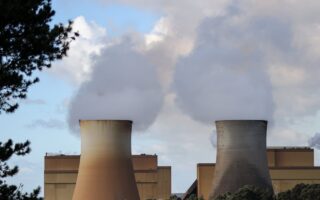
The collapse occurred because the final agreement lacked language addressing fossil fuels, which represent the primary driver of climate change and account for roughly 73% of global emissions. Following the European Union’s departure, other nations advocating for a rapid transition away from fossil fuels also walked out of the proceedings.
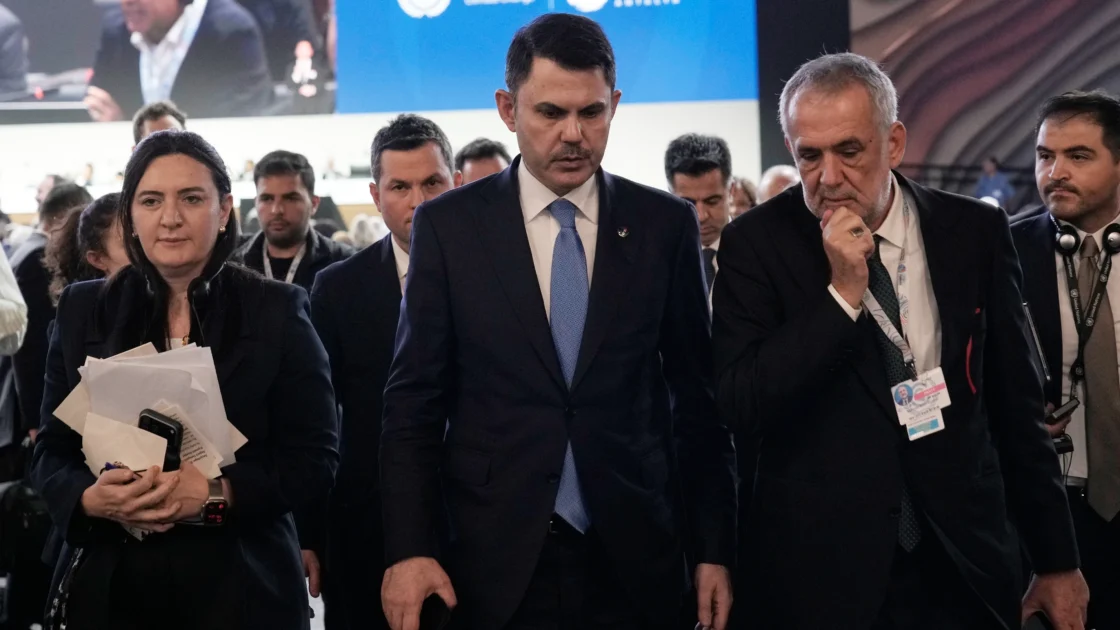
European climate chief Wopke Hoekstra explained to reporters that the EU could not tolerate a pact omitting fossil fuels at a time when the world faces a temperature overshoot. “That is not acceptable,” Hoekstra stated after exiting the talks. “We do that with a heavy heart with many other countries, but we simply cannot accept this.”
Crossing Critical Global Warming Thresholds
This summit marked the first U.N. climate conference held amid scientific consensus that the world will surpass a vital global warming threshold. Although nations pledged in 2015 to restrict climate change to 1.5 degrees Celsius (2.7 degrees Fahrenheit), the planet has essentially attained that limit already.
Exceeding this boundary brings more severe climate consequences, including more powerful hurricanes and intense heat waves. According to United Nations findings, achieving a best-case scenario of 1.7 or 1.8 degrees Celsius demands immediate emission cuts, specifically a 45% reduction by 2035, which scientists emphasize requires dramatic cuts in fossil fuel utilization.
Reactions to the Summit’s Collapse
Negotiations at the summit were originally scheduled to conclude on Friday, but stalled due to disagreements regarding fossil fuel terminology. Activists protested the deadlock by displaying signs bearing the word “shame” at the venue.
“It’s good that that decision has been rejected,” said Mohamed Adow of Power Shift Africa, a nonprofit focused on climate change in Africa. “It doesn’t have enough to help protect the people who are most vulnerable to climate change, who have contributed the least and are now suffering firsthand the worst.”