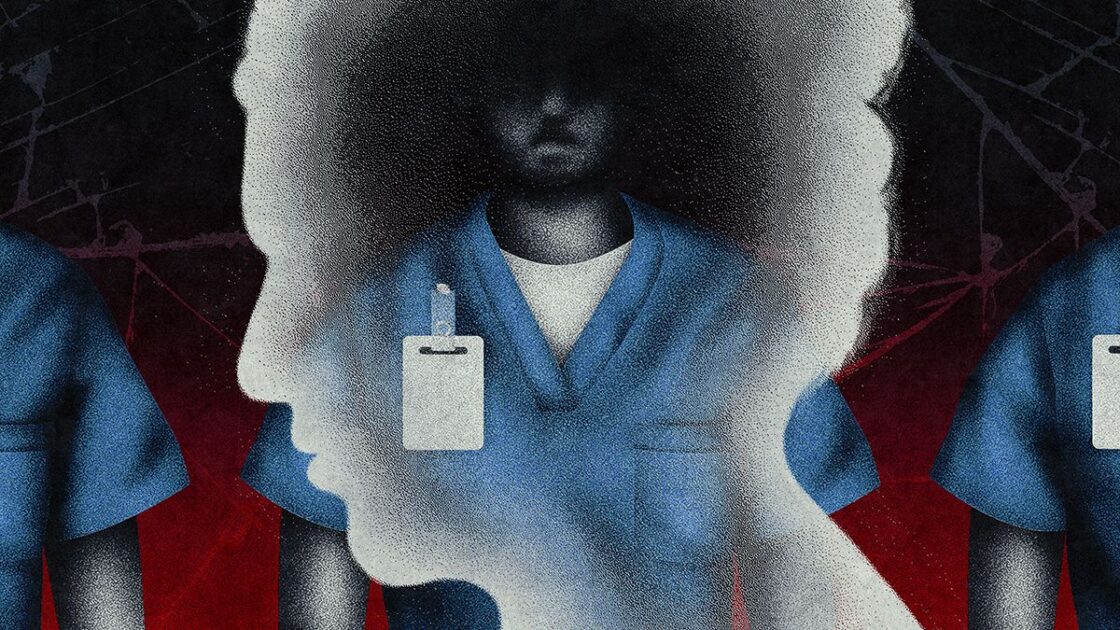
An investigation by Proof News and WIRED reveals that the rise of gig nursing apps is placing vulnerable elderly patients at serious risk. With understaffed nursing homes increasingly relying on temporary workers, platforms like ShiftKey are sending nurses into facilities with little to no orientation or training.
Fatal Consequences and Safety Breaches
In May 2022, a resident named Lewis at Peachtree Centre in North Carolina died 12 days after receiving an incorrect insulin injection from Felicia Kaye. Kaye was not a facility employee, but a gig worker who booked the shift through the ShiftKey app. Having never worked with Lewis or her roommate before, Kaye received no orientation regarding the facility’s policies. Testifying in August, Kaye stated that workers essentially receive the medication cart keys and must figure things out independently. ShiftKey is paying $40,000 to settle with Lewis’ family, while both the company and Peachtree maintain they are not liable for the death, noting Kaye was an independent contractor.
As reported by Proof News and WIRED, federal inspection reports and court documents highlight numerous other dangerous incidents linked to gig workers across the country. In January, a federal surveyor noted a ShiftKey worker incorrectly inserted a PICC line without any facility check on their training. In another instance, a Texas nursing home failed to orient temporary workers before a ShiftKey worker attempted to force-feed a resident using a syringe. Additional reports from inspection records detail cases of alleged theft, verbal abuse, and physical assault by temporary staff.
The Rise of the Uber for Nursing
Founded in 2016, ShiftKey expanded rapidly during the COVID-19 pandemic as health care facilities struggled with severe labor shortages. The platform connects healthcare facilities directly with independent providers, advertising a network of over 10,000 facilities and 200,000 workers. An analysis of open shifts on the platform showed that 89 percent were located in nursing homes, primarily seeking lower-paid licensed practical nurses and certified nursing assistants earning between $20 and $30 an hour.
ShiftKey CEO Mike Vitek defended the business model in a statement to Proof News and WIRED, emphasizing that the company verifies credentials, conducts background checks, and checks abuse registries. Vitek stated that the platform does not employ nurses directly, but rather enables access to flexible shifts, adding that facility-specific training remains the responsibility of each nursing home.
Workers and researchers, however, point to severe drawbacks regarding patient care and worker conditions. Jasmine Travers Altizer, an assistant professor at New York University, noted that relying on temporary workers disrupts the continuity of care, leading to increased falls, hospital transfers, and less consistent treatment. Meanwhile, workers describe arriving at facilities with no door codes, missing critical care plans, and facing plummeting pay rates through the platform’s bidding system.
State lawmakers have begun examining whether these platforms misclassify workers as independent contractors to circumvent labor laws. Minnesota State Representative Emma Greenman stated that companies are building business models to evade labor regulations for profit, while ShiftKey maintains that its technology marketplace complies fully with the law.
As legal battles and federal scrutiny continue, families of nursing home residents express distress over the heavy reliance on unfamiliar temporary staff. James Lewis, whose mother died following the insulin error, testified that he was entirely unaware the facility used gig workers, stating he only wanted to ensure the tragedy does not happen to anyone else.