Table of Contents
- Understanding the Rules of Ball-Tampering
- Mike Atherton (England v South Africa, Lord’s, 1994)
- Sachin Tendulkar (South Africa v India, Port Elizabeth, 2001)
- Inzamam ul-Haq (England v Pakistan, The Oval, 2006)
- Shahid Afridi (Australia v Pakistan, Perth, 2010)
- Faf du Plessis (Australia v South Africa, Hobart, 2016)
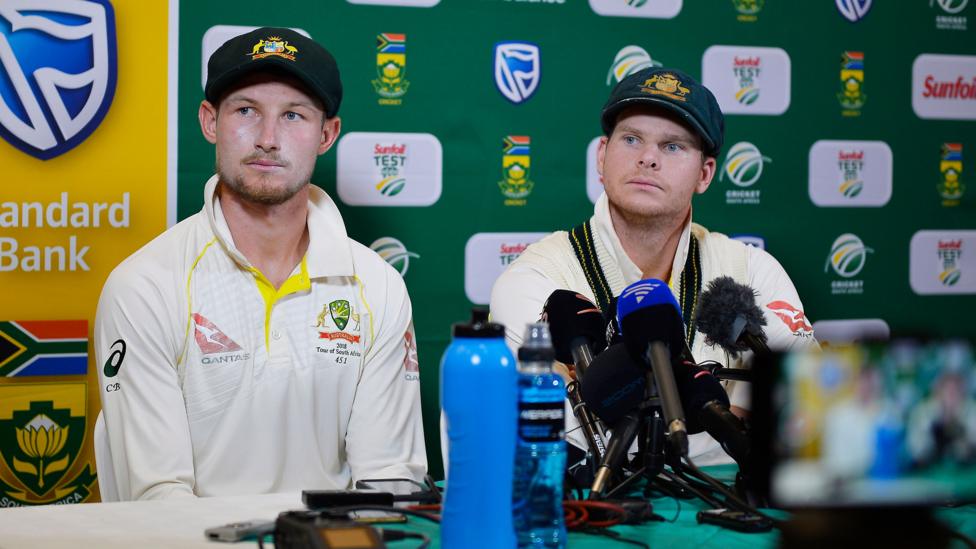
The notorious “Sandpapergate” scandal continues to generate headlines years after breaking in 2018, when Australia’s Cameron Bancroft admitted to altering the ball against South Africa. Recently reignited by former batter Usman Khawaja’s autobiography, Cricket Australia has established an independent forum to review the events of the 2017-18 season and pledged to publish a full report.
Understanding the Rules of Ball-Tampering
Tampering with the surface or seam of a cricket ball helps bowlers achieve aerodynamic swing, but it strictly violates Law 41 concerning unfair play. The British idiom “It’s just not cricket” highlights how deeply the sense of fair play runs in the sport, explaining why such infractions face severe disapproval. However, Sandpapergate is far from the first time ball-tampering has made major news.
Mike Atherton (England v South Africa, Lord’s, 1994)
England captain Mike Atherton faced accusations during the 1994 Lord’s Test after television footage appeared to show him applying dirt to the ball. Atherton maintained he was only putting dust from a used pitch into his pocket to keep his hands and the ball dry, arguing he sought to maintain its condition rather than alter it. Match referee Peter Burge ultimately issued a £2,000 fine rather than a ban.
Sachin Tendulkar (South Africa v India, Port Elizabeth, 2001)
Legendary India batsman Sachin Tendulkar received a suspended one-match ban from match referee Mike Denness after television footage showed him removing grass from the ball. The International Cricket Council eventually overturned the ban, deciding the action amounted to cleaning the ball without umpire permission rather than tampering. The decision sparked further conflict when the Indian cricket board refused to accept Denness as referee for the subsequent Test, leading that match to be declared unofficial.
Inzamam ul-Haq (England v Pakistan, The Oval, 2006)
During the fourth Test between England and Pakistan, umpires Darrell Hair and Billy Doctrove accused the tourists of illegally altering the ball, awarding five penalty runs to England and providing a replacement. Pakistan initially refused to take the field after a tea break in protest, resulting in the first forfeited match in Test history. While an ICC tribunal cleared captain Inzamam-ul-Haq of the ball-tampering charge, he received a four-match ban for bringing the game into disrepute by refusing to resume play.
Shahid Afridi (Australia v Pakistan, Perth, 2010)
Pakistan captain Shahid Afridi was found guilty during a one-day international against Australia in 2010 after television cameras caught him biting the ball. Following a report from the television umpire, match officials changed the ball while Pakistan went on to lose the match and the series 5-0. Afridi initially claimed he was trying to smell the ball before later admitting he was ashamed of his actions in the heat of the moment, resulting in a two-match T20 ban.
Faf du Plessis (Australia v South Africa, Hobart, 2016)
South Africa captain Faf du Plessis was caught on camera sucking on mints before using his saliva to shine the ball during a Test match against Australia. The International Cricket Council found him guilty of ball-tampering, following a previous 2013 fine for scuffing the ball on his trouser zip against Pakistan. Though Australia did not bring the original accusation, then-vice-captain David Warner publicly criticized the action, stating that rules exist for a reason and violators should face fines and missed matches—comments that gained irony when Warner himself was implicated in Sandpapergate 16 months later. Du Plessis was fined 100% of his match fee and received three penalty points.