Table of Contents
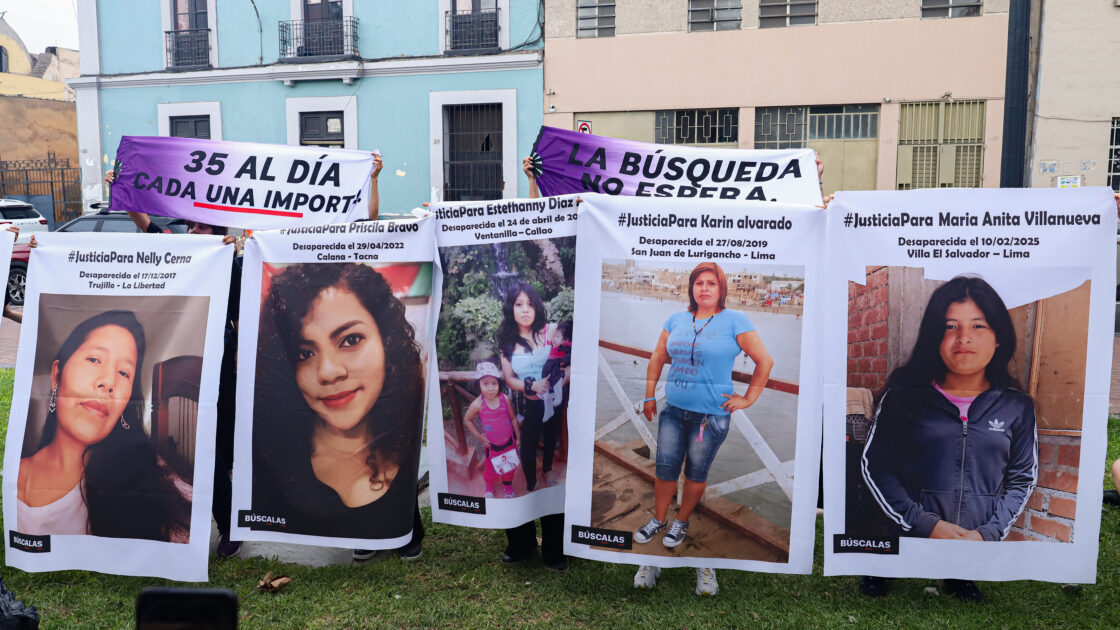
An estimated 47,000 women and girls lost their lives globally last year due to intentional killings by an intimate partner or family member, according to newly released figures from the United Nations Office on Drugs and Crime (UNODC) and UN Women.
Home Remains Dangerous
Released on Tuesday to coincide with the International Day for the Elimination of Violence against Women, the 2026 Femicide Brief highlights that home continues to be the most perilous environment for women and girls. UN Women noted that this dangerous pattern has barely shifted over the years.
Out of the 78,000 total recorded femicides last year, approximately 60 percent were perpetrated by a family member or intimate partner. This statistic translates to an average of five women killed every hour, or 129 deaths each day.
Although the 47,000 victim count is lower than the 2024 projection of 50,000, the UN clarified that this adjustment stems from improved data collection methodologies rather than a genuine decline in violence.
Regional Disparities and Institutional Failures
The violence spans the globe, leaving no region immune. Africa recorded the highest rate of intimate partner and family member femicide at 2.9 victims per 100,000 females. The Americas followed with 1.4 victims, Oceania with 1.1 victims, Asia with 0.6 victims, and Europe with 0.5 victims per 100,000.
UNODC Executive Director Monica Juma stated that alarming statistics have persisted for too long. Frightening attitudes, damaging social norms, and failing institutional safeguards create an environment where killing a female relative becomes tolerable, according to Juma.
Juma urged society-wide action, including targeted strategies to shift harmful social behaviors and investments in specialized programs to address domestic violence perpetrators, safeguard women, and protect their fundamental rights and dignity.
Call for Systemic Protection
UN Women emphasized that femicide typically serves as the final act in an extended cycle of abuse, threats, and violence. Despite this, a majority of victims never seek assistance or lack access to protection, while perpetrators frequently evade justice indefinitely.
UN Women Executive Director Sima Bahous stressed the urgent need to establish secure reporting channels and support systems. When warning signs are ignored, investigations fall short, and offenders escape accountability, the outcomes can prove fatal.
Furthermore, UN data indicates that while global homicide rates have experienced a decline, femicide rates have dropped at a significantly slower pace. Between 2010 and last year, overall homicide rates fell nearly twice as fast as femicide rates in the Americas, and about 1.5 times as fast across Europe.