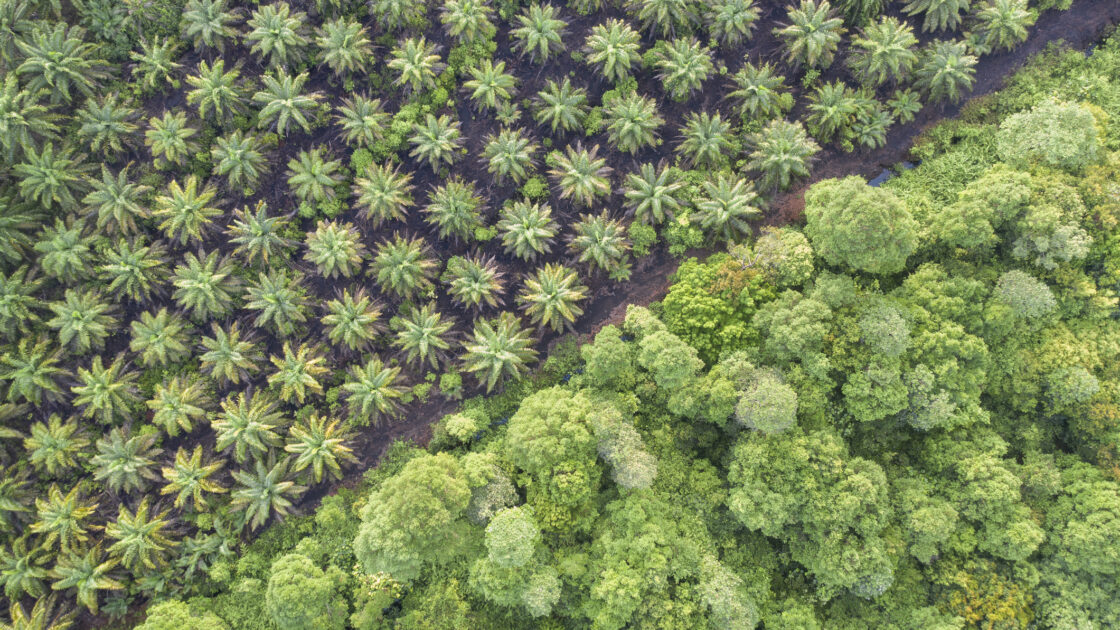
While fossil fuels drive most human-caused climate change, land use change accounts for about one-third of total historical carbon dioxide emissions. Deforestation plays a major role, but practices such as draining wetlands also contribute significantly. Determining the exact historical impact of eliminating wetlands has been challenging, but new data measuring emissions from surviving modern wetlands now allows for a more accurate assessment.
The Role of Peatlands in the Carbon Cycle
A new study led by Jevan Yu at MIT focuses on peatlands, which include environments like bogs and fens where organic matter builds up into thick layers. These vast peat stores hold approximately 600 billion tons of carbon, surpassing the amount found in all living vegetation worldwide, according to the researchers.
Because these environments remain permanently inundated, oxygen in the water is quickly depleted. This leaves anaerobic bacteria—which operate much more slowly and do not digest everything—to handle the decay of organic matter. Consequently, rather than organic carbon turning into the carbon dioxide released by aerobic bacteria, a portion of it gradually converts into methane gas. Although methane is a more potent greenhouse gas than carbon dioxide, it eventually oxidizes into carbon dioxide, creating a balance where most carbon stays trapped while the escaping portion leaves as methane.
Draining peatlands through the excavation of ditches allows water to flow out, permitting the land to be repurposed for agriculture and other activities. This process lowers the water table, exposing the peat to oxygen and increasing the activity of aerobic bacteria. As a result, methane emissions decrease while carbon dioxide emissions increase substantially.
Historical Peatland Drainage and Modeling
To understand the historical impact, the researchers utilized recent studies measuring gas emissions from peatlands to construct a global model. This model estimated the release of both carbon dioxide and methane in response to declining water levels. The two gases react differently to drops in water levels, with carbon dioxide emissions varying particularly by the geographic location of the bog. By utilizing historical reconstructions of water-level changes caused by peatland drainage, the team simulated emissions beginning in the year 1800.