Table of Contents
Denmark’s parliament ratified a security agreement with the United States concerning Greenland, aiming to resolve tensions that arose after Donald Trump repeatedly demanded control of the autonomous territory.
Ratification and US Reaction
Every single member present in the 179-seat Danish parliament voted in favor of the agreement. Greenland’s parliament had previously approved the deal in early November.
Kenneth Howery, the US ambassador to Denmark, expressed approval for the decision through a statement on social media, noting that the arrangement updates their alliance to address upcoming security threats and strengthens the defense of the US, Denmark, Greenland, and the entire NATO alliance.
Details of the Trilateral Agreement
The military access and security pact among Washington, Nuuk, and Copenhagen permits an increased American military footprint on the mineral-abundant and strategically situated island in the North Atlantic.
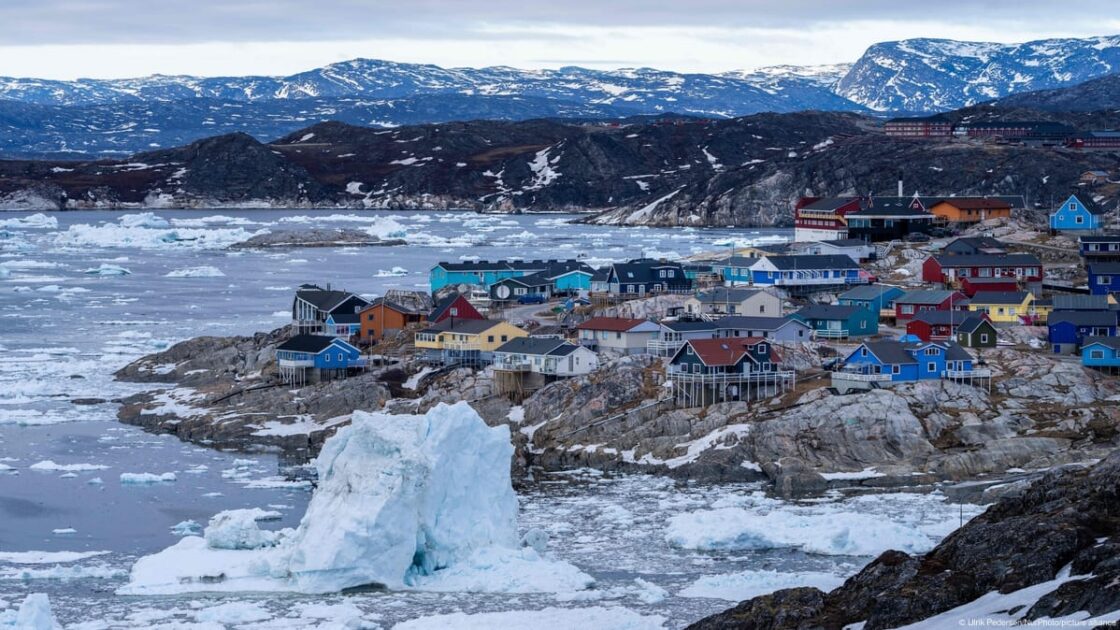
The arrangement provides authorization for a missile defense system while upholding Danish sovereignty and the self-determination rights of Greenland’s population. The territory accommodates approximately 57,000 residents and occupies a critical geographic position along the briefest path connecting Europe to North America, alongside hosting the northernmost American military installation.
The accord was formally signed in September by Donald Trump, Danish Prime Minister Mette Frederiksen, and Greenlandic Prime Minister Jens-Frederik Nielsen, pending parliamentary approvals in both Denmark and Greenland.
Context of Previous Tensions
Donald Trump revived demands for Greenland to join the US, threatening military force and tariffs against European partners if they resisted. He contended that Denmark lacked the capacity to defend the Arctic territory against external pressures from Russia and China, creating friction in diplomatic ties and causing concern among European NATO members.
Diplomatic strain lessened after Donald Trump and NATO Secretary-General Mark Rutte outlined a framework in late January for broadened American military access, which culminated in the September signing. A previous 1951 pact already granted the US extensive military access to the island, and while Denmark consistently resisted full American control, officials maintained readiness to broaden the existing military presence.