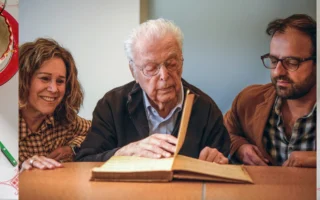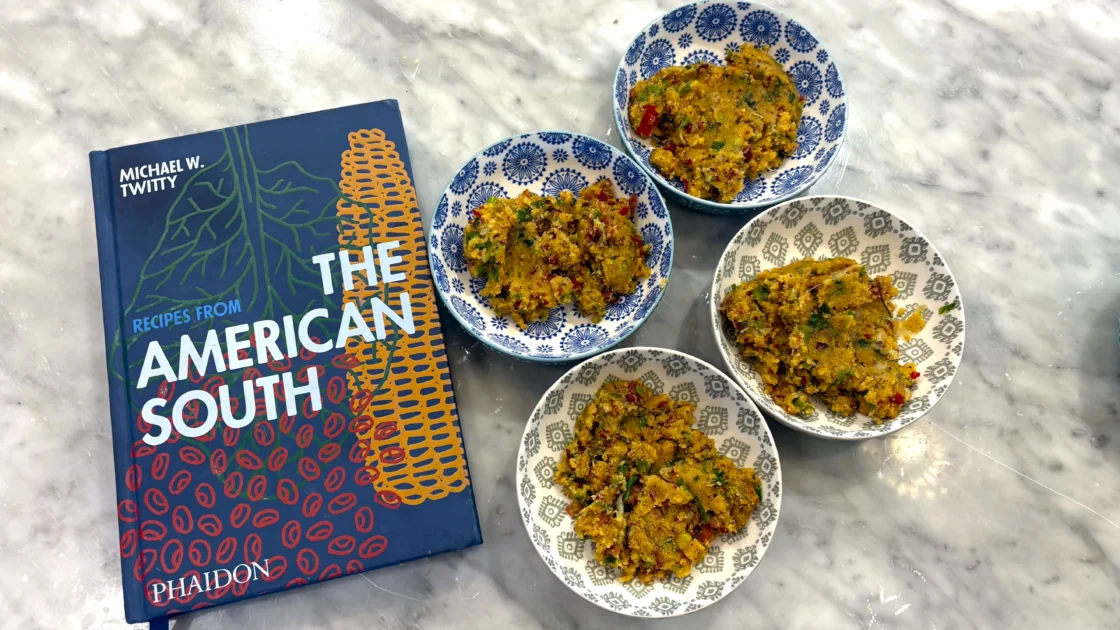
Culinary historian and two-time James Beard Award winner Michael Twitty joined Morning Edition host Leila Fadel in the kitchen for Thanksgiving, bringing along fresh ingredients from his garden including a spice blend, fresh sage, fish peppers, and onions. Known for his work in books like The Cooking Gene, Twitty traces his ancestry through African American culinary history and explores the deep cultural roots of traditional holiday dishes.
The History and Origins of Kush
One of Twitty’s favorite Thanksgiving offerings, which he has prepared since his teenage years, is a dish called Kush that serves as the forerunner to Southern cornbread dressing. As reported by NPR, the name and ingredients highlight how enslaved people in the Americas used food to preserve their cultural heritage.
Explaining the background of the side dish, Twitty said, “The name comes from Hausa, the language of West Africa. They are a predominantly Muslim people, but Muslim in the way that West Africans do Islam – which is Islam with a lot of the influence from the traditional culture and spirituality.” He added, “And so the name Kush, it’s like, couscous.”
Preparing the dish provides Twitty with a tangible link to his heritage. “There was a time when I couldn’t tell you what particular African ethnic groups I came from, but now that I know that I’m part Wolof, Hausa, Fula, and Serer and so many others,” he stated. “Now, I know this dish has a connection to who I am and my roots and where I came from.”
Celebrating Hybrid Identity and Traditions
During the cooking process, Twitty also discussed his documentation of hybrid dishes created by African American Jewish people, reflecting his own Black and Jewish identity. He mentioned creations such as Matzah ball gumbo, black-eyed peas and quiche, kosher jollof rice, and modified versions of Shito.
When discussing the holiday itself, the author of four books explained that he focuses more on the gathering of loved ones than the traditional mythology surrounding Thanksgiving. Noting that a plurality of African Americans attach little meaning to the holiday’s standard narrative, he emphasized that people still cherish tradition, cooking, and coming together.
For Twitty, making Kush remains a method to taste history and honor his ancestors. “It means I haven’t forgotten who I come from,” he concluded. “And it means I haven’t forgotten that I have a legacy to leave.”