Chef Alon Shaya has compiled World War II survival stories and their corresponding dishes into a new historical cookbook titled Memories of a Good Meal: Recipes of Resilience Inspired by Stories of World War II Survival. Reported by NPR, the project aims to inspire dinner table conversations about hope and heroism during humanity’s darkest times.
The Power of Shared Meals and Memories
Shaya, known for his restaurant Saba in New Orleans, believes sharing a meal helps break down barriers and spark conversations. A few years ago, he led the Rescued Recipes initiative at the United States Holocaust Memorial Museum, which sparked his interest in researching the role food played during World War II.
Shaya told NPR that he hopes families will gather to cook, put away their phones, and share incredible tales of survival and resilience. The cookbook features stories like that of U.S. Army Master Sergeant Roddie Edmonds, whose unit was imprisoned in a German POW camp after being captured in the Battle of the Bulge. Edmonds posthumously received the Congressional Medal of Honor earlier this year for refusing to surrender his Jewish troops to concentration camps.
Recipes Inspired by Survival
To distract themselves from camp horrors, Edmonds and fellow prisoners discussed comforting home foods such as hot cakes, Sunday spaghetti sauce, and cherry pie. The servicemen even drafted detailed plans for a dream restaurant named the Jolly Chef, intending to serve dishes like candied yams with pecans and whipped marshmallow, which is now a recipe featured in the book.
Another chapter focuses on Polish partisan fighters who inhabited underground bunkers to sabotage Nazi operations by derailing trains and destroying ammunition plants. Reflecting those fires, a recipe from their section features smashed potatoes flambéed in vodka. Shaya noted that vodka served as currency, celebration, and bartering material, with every detail of the recipe illustrating their hardships.
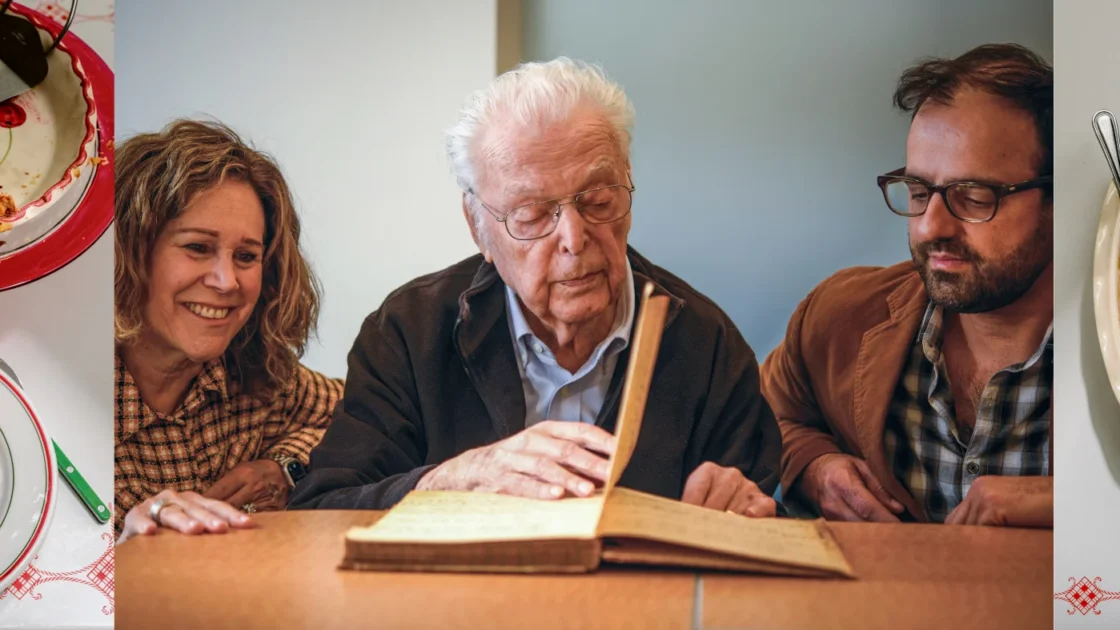
The publication also shares global accounts, including Hungarian Jews whose non-Jewish cook rescued a cherished family recipe book as they faced deportation to Auschwitz. Other accounts highlight a French village sheltering Jewish children, Navajo code breakers, and incarcerated Japanese Americans in U.S. military-style camps.
Food historian and writer June Hersh, who collaborated with Shaya on the cookbook, explained that recalling favorite recipes served as a powerful form of resistance. She stated that captors could impose uniforms, hard labor, shaved heads, and starvation, but they could never strip away a person’s food memories.