Table of Contents
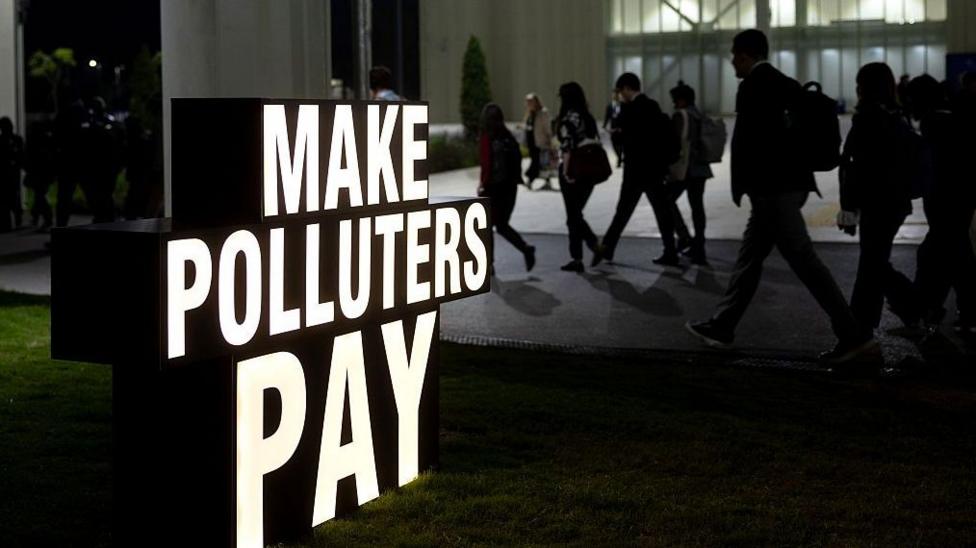
Communities across Africa are facing the devastating consequences of climate change, from severe droughts in Uganda to recurring floods in Malawi. As African negotiators at the COP31 summit in Turkey push for a tripling of adaptation finance by 2035, the European Union has maintained that the focus should remain on deploying existing financial commitments rather than setting new targets.
The Human Cost of Climate Extremes
In Uganda’s northern Karamoja region, farmer Elijah Lobur and his family are surviving on one meal a day following a drought that began in April. Lobur told the BBC that seven months without rain has left the community in a state of hunger, with even wild food sources drying up. Local officials report that over 90% of crops have failed in the area, where agriculture depends entirely on rainfall.
Meanwhile, in Malawi, residents like Mathews Nkhambala are struggling to recover from repeated disasters. After losing his home and harvest to floods in April 2024—barely a year after Tropical Cyclone Freddy—Nkhambala is now facing a new threat from a lack of rain. A government assessment following Cyclone Freddy noted that Malawi has endured more than 50 climate-linked disasters since 1980, impacting millions of people.
The Challenge of Adaptation Planning
Despite the clear need for assistance, 23 African countries have yet to submit National Adaptation Plans (NAPs) to the UN climate convention secretariat. These documents are essential for detailing climate risks and justifying requests for international support. Experts suggest that the absence of these plans creates a significant barrier to securing funding.
David Abudho of Oxfam noted that many of these nations are already struggling with debt and economic instability, which limits their capacity to invest in planning. Sheila Apiny of ActionAid described the situation as a “vicious cycle,” where a lack of resources prevents the creation of plans, and the absence of those plans makes it harder to obtain the funding needed to build resilience. Amos Wemanya of Power Shift Africa added that without these resources, governments are forced to divert scarce funds toward emergency relief rather than long-term prevention, such as early warning systems or water security.
Debate Over Funding at COP31
The African Group of Negotiators is seeking to increase annual adaptation finance to $120bn by 2035, up from a $40bn baseline they say was promised by developed nations for 2025. While this proposal was not accepted for formal negotiations at the summit, African representatives continue to advocate for it.
The European Union, a major climate finance provider, has resisted new targets. Darragh O’Brien, leading the EU delegation, stated at a press conference that the priority is ensuring that already committed capital is effectively deployed. European Commission climate commissioner Wopke Hoekstra emphasized that funding is “effectively meaningless” if it remains in the bank instead of reaching vulnerable communities on the ground. Hoekstra noted that the EU has provided $30bn of the $100bn pledged by developed nations in recent years and urged other wealthy countries to increase their contributions.
Bridging the Gap
The scale of the financial requirement is vast. According to UN reports, sub-Saharan Africa alone requires approximately $51bn annually for adaptation, while global needs for developing countries are expected to reach $300bn annually by 2035. Currently, those nations receive only about 10% of that amount.
Some experts argue that while NAPs are helpful for prioritizing investments, they should not be a prerequisite for support. Mahlet Eyassu Melkie, an adviser to the Ethiopia COP32 presidency, stated that Africa’s needs are based on scientific assessments and vulnerability, not just planning documents. Conversely, Fred Njehu of Greenpeace Africa acknowledged that missing plans act as a “major functional barrier” to accessing international funds.
In Kenya, some communities have found success with concrete sand dams, which store water underground for use during dry periods. However, for many others, such interventions remain out of reach. In Karamoja, Lobur expressed frustration that underground water sources remain untapped due to a lack of proper planning and programs, leaving his family to fear for their survival.