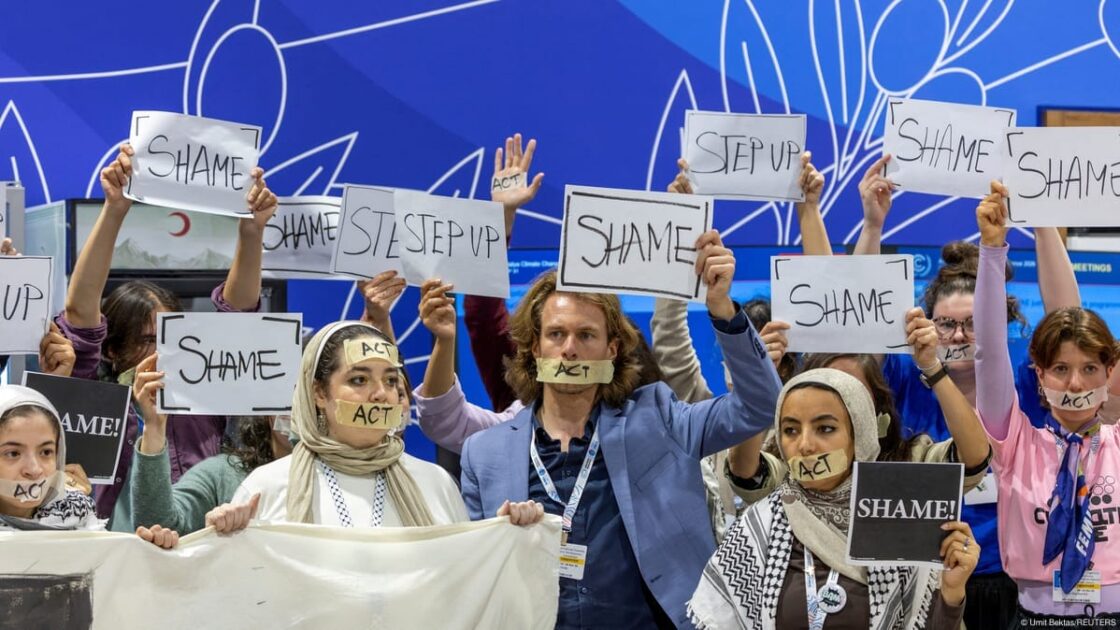
Delegates and diplomats from nearly 200 countries gathered in Antalya, Turkey, for the United Nations COP31 climate summit, which extended into overtime following deep divisions over fossil fuel phase-outs and climate financing. The conference, originally scheduled to conclude on Friday, faced multiple delays as negotiators struggled to reach a consensus on a final text.
Fossil Fuels Omitted From Draft Deal
The latest version of the COP31 agreement made no direct mention of fossil fuels, though it referenced a 2023 accord that committed the world to transitioning away from them. Brandon Wu, Director of Policy and Campaigns at AAUSA, criticized rich countries, stating they arrived with nothing to offer other than red lines and hypocritically blamed developing nations for failing to act.
COP31 President and Turkish Environment Minister Murat Kurum informed delegates during a plenary session that a final text would be provided for review, giving negotiators a strict deadline to reach an agreement before a closing plenary. Meanwhile, Andres Martin Garrido Sanchez, head of Peru’s delegation, warned that the summit was unlikely to produce a concrete deal on cutting fossil fuel use or climate financing, pointing to geopolitical divisions and opposition from major oil producers such as Russia and Gulf Arab states.
Disputes Over Climate Financing and Global Pledges
Harjeet Singh, global convener of the Fill the Fund campaign, blamed wealthy nations for the summit’s gridlock, stating that Europe and other rich countries came with empty pockets and refused to increase funding for the Adaptation Fund and the Loss and Damage Fund. Singh accused wealthy governments of pushing electrification targets while demanding developing nations transform their economies without adequate financial support.
In a related development, China backed a plan proposed by summit host Turkey to raise global electricity demand to 35% by 2035, up from the current 20%. In a joint statement with Australia, Beijing welcomed voluntary international cooperation to increase electricity’s share of global final energy consumption. Dozens of countries, including EU states, Japan, South Korea, and Canada, signaled support for the goal, though environmental groups warned the draft text failed to explicitly mandate renewable sources like wind and solar.
As discussions continued through the weekend, Ethiopia, the designated host for next year’s COP32, used a sports metaphor to describe the arduous environmental negotiations. Gedion Timothewos, Ethiopia’s foreign minister and upcoming COP32 president, described the summit process as a marathon and a relay, stating that his country looks forward to picking up the baton from Turkey.