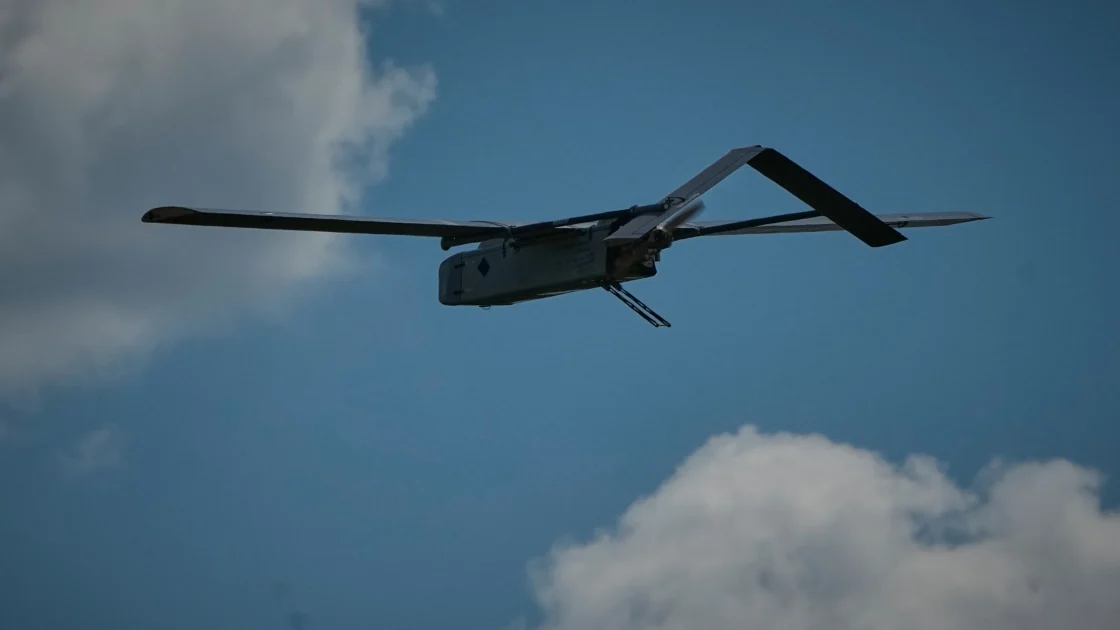
Diplomats meeting at the United Nations in Geneva have agreed to start discussing options to regulate lethal autonomous weapons, often referred to as killer robots. Following a week of negotiations that concluded early Saturday morning, nations settled on a two-year window to suggest regulations that might be legally binding or remain optional.
Negotiations and Major Power Resistance
The compromise emerged as bleary-eyed negotiators defended the outcome as better than nothing, demonstrating that the U.N. disarmament process can still function. However, numerous humanitarian organizations and countries noted that the agreement falls far short of initial hopes. Prior to the talks, the International Committee of the Red Cross (ICRC), the United Nations secretary-general, and Pope Leo urged for legally binding rules to be established within a year.
These appeals arose from current warfare trends in Ukraine, Sudan, and Gaza, where semi-autonomous drones are killing civilians. According to the U.N., drones accounted for 80% of civilian deaths in Sudan this year. While humans currently maintain remote control, humanitarian groups fear the imminent arrival of AI-assisted weapons capable of making independent decisions to kill.
Negotiations faced immediate hurdles as powerful nations, including the U.S., Russia, and Israel, showed reluctance toward binding regulations. On the first day, Russia delayed proceedings over the agenda, while the United States proposed a five-year timeline to discuss nonbinding, optional guidelines for autonomous weapons. A frustrated delegate described the maneuvers as kicking the can down the road, and the final compromise was announced at 4:30 a.m. on Saturday.
Reactions and Concerns Over Unchecked Technology
The ICRC expressed regret over the outcome and renewed its call for a binding treaty, while other campaigners labeled the agreement a disappointment and a “nothing burger.” Critics worry that allowing two years to debate potentially optional rules will enable weapons technology to advance uncontrolled. Anna Hehir, a military AI governance expert at the Future of Life Institute, noted that these systems are easily accessible for purchase or creation by individuals, nonstate actors, and criminal groups.
Further concerns involve upholding the Geneva Conventions when machines execute lethal force instead of humans. ICRC legal adviser Georgia Hinds emphasized that commanders remain responsible and accountable for lawful force, pointing out that a machine cannot be held accountable for violating the law.
Most U.N. member states agree that some level of control is necessary for autonomous weapons, but the Geneva compromise leaves AI-powered systems unregulated for at least the next two years as weapons technology continues to advance rapidly.