Table of Contents
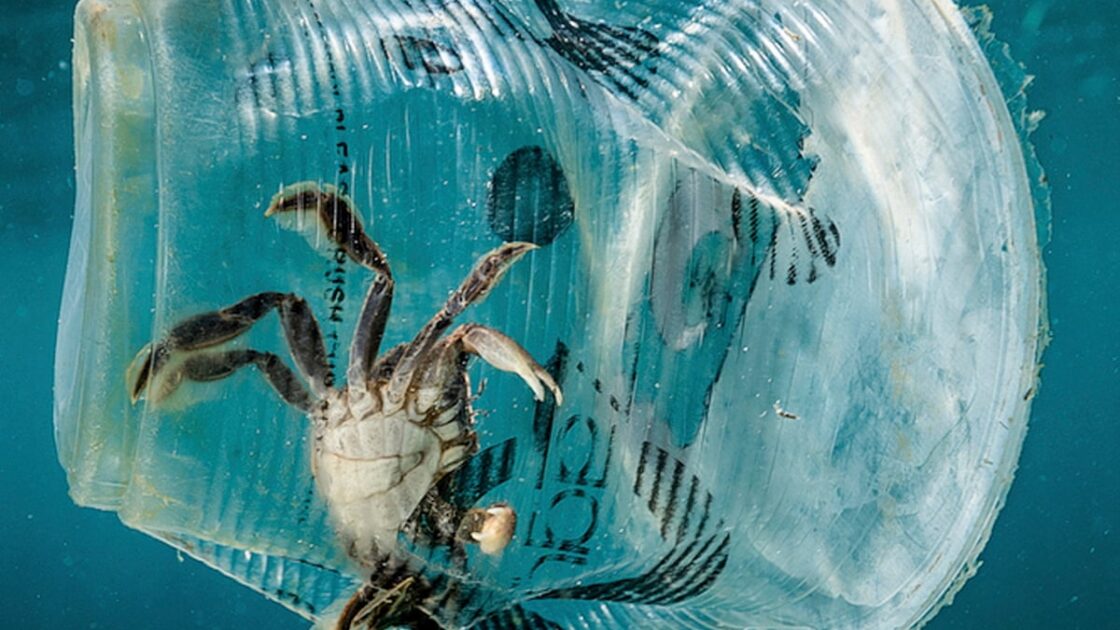
Experts are exploring whether edible packaging made from seaweed could help address the growing global plastic waste crisis. While plastic waste doubled between 2000 and 2019, with packaging accounting for roughly 40% of that volume, new pilot projects are testing biodegradable alternatives to traditional single-use containers.
Testing Edible Alternatives
In a recent pilot project in the Northamptonshire hamlet of Nobottle, residents were offered ginger shots from Innocent Drinks served in edible seaweed pods rather than plastic bottles. The initiative, led by the biodegradable packaging company Notpla, saw a positive reception from locals, with many finding the pods palatable. Andrew Wallis, packaging lead at Innocent Drinks, noted that a survey indicated 78% of consumers would consider purchasing products encased in seaweed.
Notpla, based in east London, is currently using seaweed to create various packaging solutions, including sachets for olive oil, sandwich wraps, and seaweed-based spoons for ice-cream parlours. Co-founder Rodrigo García González highlighted the sustainability of the material, noting that some seaweed varieties can grow up to 60cm per day and do not require land resources.
Market Challenges and Scaling
Despite the innovation, the edible packaging market faces significant hurdles. Research from Smithers projects that global packaging waste will reach 525 million tonnes by 2030. While the edible packaging market is expected to grow to $1.84 billion by 2033, experts point to difficulties regarding environmental sensitivity, storage requirements, and the need for special handling during shipping.
Professor James Elliott of the University of Cambridge emphasized that cost remains a primary barrier. Manufacturers are often driven by price, and the non-biodegradable plastic market remains significantly larger than the emerging edible sector. Furthermore, scaling production is complex. Lubomila Jordanova of Cupffee, which produces edible coffee cups, explained that creating a product that maintains structural integrity while holding hot liquids requires significant investment in automation and quality control.
The Debate Over Consumption Habits
Beyond the technical challenges, there is a broader debate regarding the necessity of edible packaging. Sian Sutherland, co-founder of the campaign group A Plastic Planet, expressed skepticism about the long-term feasibility of wrapping food in other food. She noted that the primary purpose of packaging is to protect contents from the outside environment, and consumers may be hesitant to eat materials that have been handled and shipped.
Sutherland argued that the ultimate solution to the plastic crisis is moving away from a “throwaway culture” entirely. However, she acknowledged that any innovation reducing reliance on plastic is positive and urged governments to support pioneers leading this shift. Professor Elliott added that while edible films may have niche applications, achieving the scale necessary to replace the millions of tonnes of plastic used annually in the UK will require significant time and continued investment.