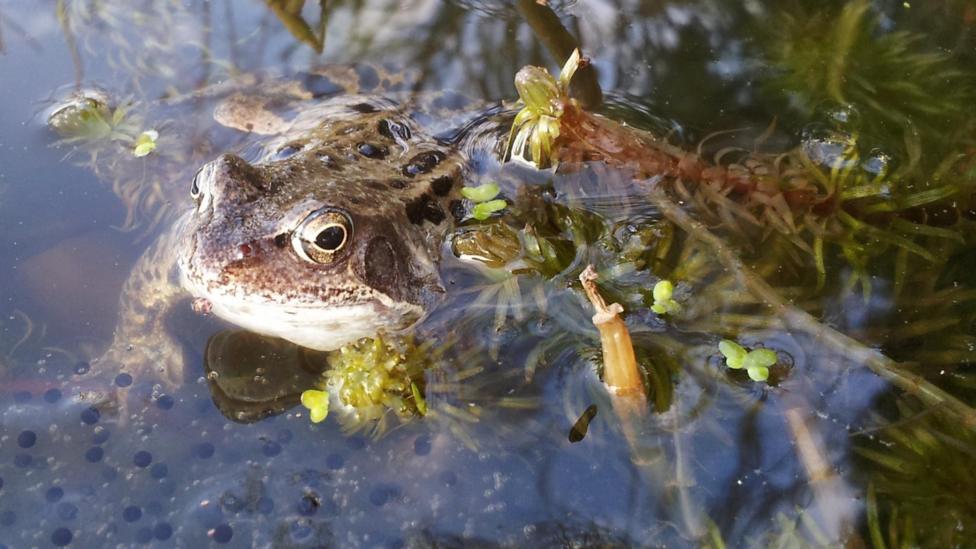
Freshwater habitats and ponds will be restored for amphibians and reptiles across two former colliery locations in South Yorkshire. The conservation charity Froglife received nearly £890,000 in funding from the National Lottery to execute the initiative in Rother Valley, alongside additional sites located in North and West Yorkshire.
Transforming Industrial Land
The Kiveton and Dinnington Community Woodlands underwent initial regeneration via the National Coalfields Programme following the closure of the local pits during the 1990s. Sheila Grundry representing Froglife stated that staff felt thrilled to operate in the region because the introduction of freshwater will provide an enduring impact for frogs and various animals, while offering local residents an excellent opportunity to acquire fresh skills.
The financial investment totaling £889,761 supports Froglife’s Coalface to Wildspace initiative, which aims to help local communities engage with the natural environment. Across the region, the project plans to establish 48 brand-new ponds, enhance 93 current freshwater habitats, and build neighborhood wildlife corridors comprising small ponds and bug hotels.
These dedicated corridors function as migration stepping stones for local wildlife, ranging from insects to birds, by supplying food, shelter, and water to boost biodiversity across former industrial zones. Project manager in Yorkshire and conservationist Andy Goff explained that the site transformations benefit the entire community. He expressed enthusiasm about engaging residents from all corners of Yorkshire to connect with nearby nature and wildlife generally.
Funding and Community Impact
Supported by The National Lottery Heritage Fund, the Coalface to Wildspace project will run for a four-year duration, following similar successful programs conducted by Froglife in Scotland and the Midlands. Rother Valley MP Jake Richards emphasized the significance of the endeavor for the local district.
The lawmaker noted that the former industrial sites remain a vital component of the region’s heritage, adding that the project will convert them into flourishing habitats while generating pathways for local participation.