Table of Contents
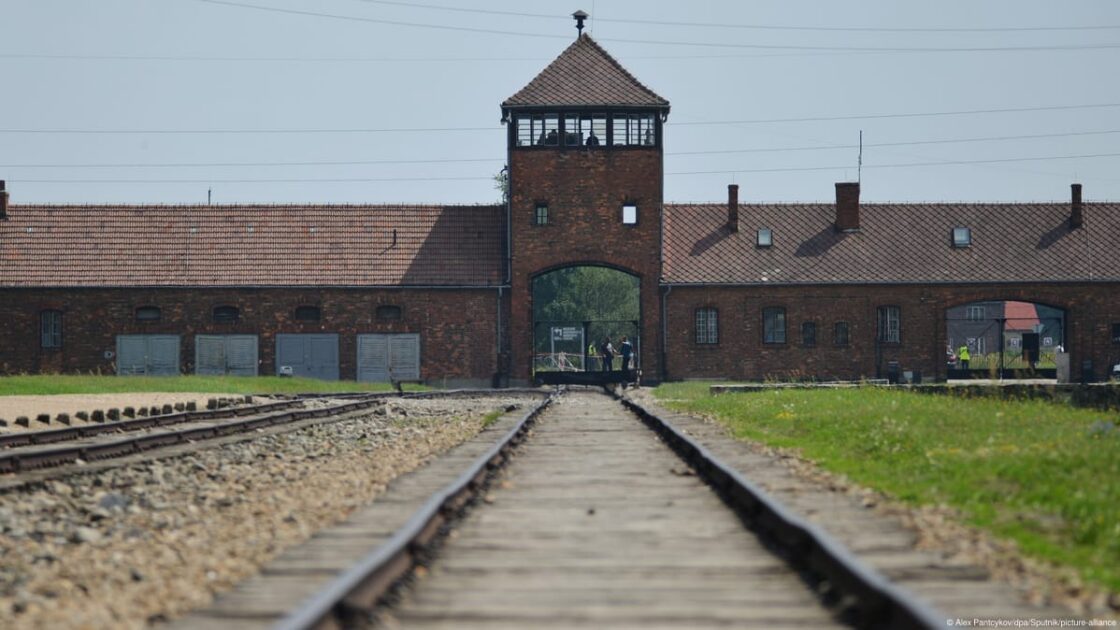
German Defense Minister Boris Pistorius traveled to Poland for a two-day defense policy visit, beginning with a solemn stop at the Auschwitz-Birkenau memorial site. The trip unfolded alongside major developments in Berlin, where European leaders gathered for Ukraine talks and financial institutions navigated high-profile corporate movements.
Defense Minister Boris Pistorius Calls Auschwitz a Warning
Speaking at the former Nazi concentration camp, Pistorius called on Europeans to remain vigilant against far-right extremism and societal divisions. He stated that the site bore witness to the worst crimes of Nazi Germany and served as an absolute low point.
Pistorius warned that marginalization based on race, origin, faith, or sexual orientation is experiencing a renaissance and gaining ground with far-right extremist parties across Europe. During his tour, he laid a wreath at the camp’s death wall and lit a memorial candle, expressing a desire for more German students and travel groups to visit the site.
As part of his trip, Pistorius was scheduled to meet his Polish counterpart, Wladyslaw Kosiniak-Kamysz, in Warsaw for bilateral defense talks.
European Powers Back Ukraine at Berlin Summit
European leaders and US envoys gathered in Berlin for a meeting of the “Coalition of the Willing” to rally behind Ukraine. Chancellor Friedrich Merz emphasized the need for European powers to help bring the war to an end through a diplomatic solution that preserves Ukraine’s territorial integrity and security guarantees.
Ukrainian President Volodymyr Zelenskyy, who attended the summit, stressed the importance of ensuring Europe is fully represented in the negotiation process. US envoys Jared Kushner and Steve Witkoff also traveled to Germany for the discussions at the Chancellery.
Union Blasts Volkswagen Over Demands
Germany’s largest union, IG Metall, strongly criticized Volkswagen’s latest workforce demands ahead of upcoming collective bargaining talks. The union labeled the automaker’s plans a catalog of horrors as management seeks to slash 120,000 jobs across 10 brands by 2030 following quarterly losses of €5.8 billion.
VW management argued that deeper cuts are necessary due to increased competition, tariffs, and soft sales. The company proposed scrapping the 35-hour workweek, requiring unpaid overtime, adjusting pay for reduced hours, freezing wages for 2027 and 2028, and cutting benefits for long-term staff.
IG Metall is countering with a demand for a 5% pay raise to match rising living costs, noting workers have not seen an increase since May 2024. Regional representative Thorsten Gröger warned that negotiations will be exhausting and leave deep scars, while works council chairwoman Daniela Cavallo said employees felt betrayed.
UniCredit Reaches Commerzbank Takeover Agreement
Italian commercial bank UniCredit and the German government reached an agreement on key terms regarding the takeover of Commerzbank following European Union approval earlier in the week. The merger creates a financial institution holding over €1.3 trillion in assets.
Finance Minister Lars Klingbeil stated that Germany supports a swift process and an orderly transition of control. UniCredit committed to keeping its enlarged German business headquartered and listed in Frankfurt, maintaining constructive dialogue with the works council, and appointing German nationals to its board of directors.
Cybersecurity Warnings and Business Investments
The German Federal Office for Information Security (BSI) issued a warning that cheap consumer gadgets like streaming boxes are increasingly hijacked by cybercriminals, with infected systems reported daily to internet providers showing an 89% increase. BSI President Claudia Plattner also highlighted the growing threat of high-performance AI-driven attacks.
In the technology sector, German telecommunications firm Deutsche Telekom announced a €100 million investment in French artificial intelligence startup Mistral AI. Telekom plans to partner with the company to help German businesses and the public sector implement tailored AI solutions.
Meanwhile, prosecutors in North Rhine-Westphalia revealed that an 18-year-old in Eslohe has been held in pre-trial detention since August over an alleged far-right plot to attack a mosque using weapons manufactured with a 3D printer.
The Bundesbank released a monthly report projecting that inflation in Germany will rise sharply at the beginning of 2027 due to the expiration of a fuel tax cut and anticipated increases in natural gas and energy costs.