Britain’s birds are preparing for the winter season and facing the challenge of surviving harsh weather to breed again in the spring. Different species adopt varied survival strategies, with some undertaking massive migrations while others remain closer to home.
Migration and Survival Strategies
Numerous smaller bird species, including swallows, swifts, cuckoos, chats, warblers, and flycatchers, avoid the cold by migrating all the way to sub-Saharan Africa. Meanwhile, residents like blackbirds and robins stay behind, though they will shift southward to south-west Britain or cross the Channel to France and Spain if severe cold approaches.
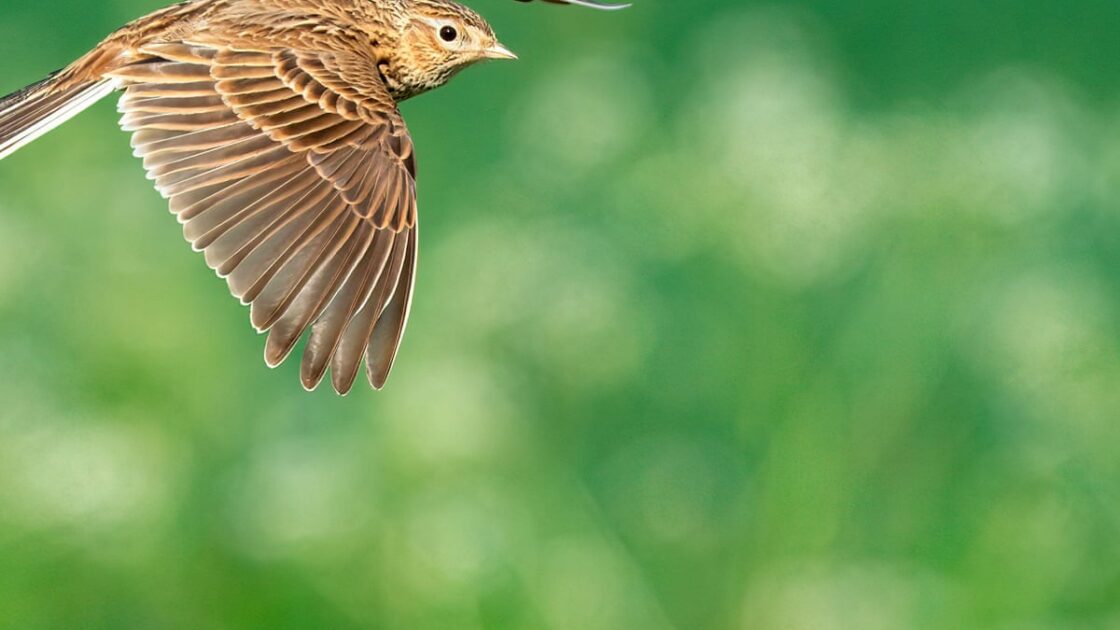
Along the Somerset coast, skylark numbers are increasing as the birds descend from local moors and hills to experience milder conditions. On sunny days, these birds occasionally sing brief snatches of song, hinting at the upcoming spring.
Impact of Mild Winters on Starlings
During autumn and winter evenings, massive flocks of starlings congregate on the Avalon Marshes, roosting closely together in reed beds for warmth and protection from predators. However, milder winters in recent years have caused population numbers to drop significantly. Continental European birds are now choosing to remain closer to their own breeding grounds rather than journeying west toward Britain.